California Courts Will Begin Tracking ICE Arrests at Their Facilities
Companies Mentioned

Why It Matters
Systematic data will reveal the true scale of ICE activity in courthouses, informing policy and potentially curbing practices that erode public confidence and deter court participation. Access to justice hinges on a safe, neutral environment, and this rule targets a growing threat to that principle.
Key Takeaways
- •58 California trial courts must log every ICE or civil arrest
- •Rule requires officer ID, warrant status, date, and location details
- •ICE arrests at courthouses have risen sharply since 2021
- •Advocates say data alone won’t stop fear-driven court avoidance
- •SB 873 would allow $10,000 damages for unlawful courthouse arrests
Pulse Analysis
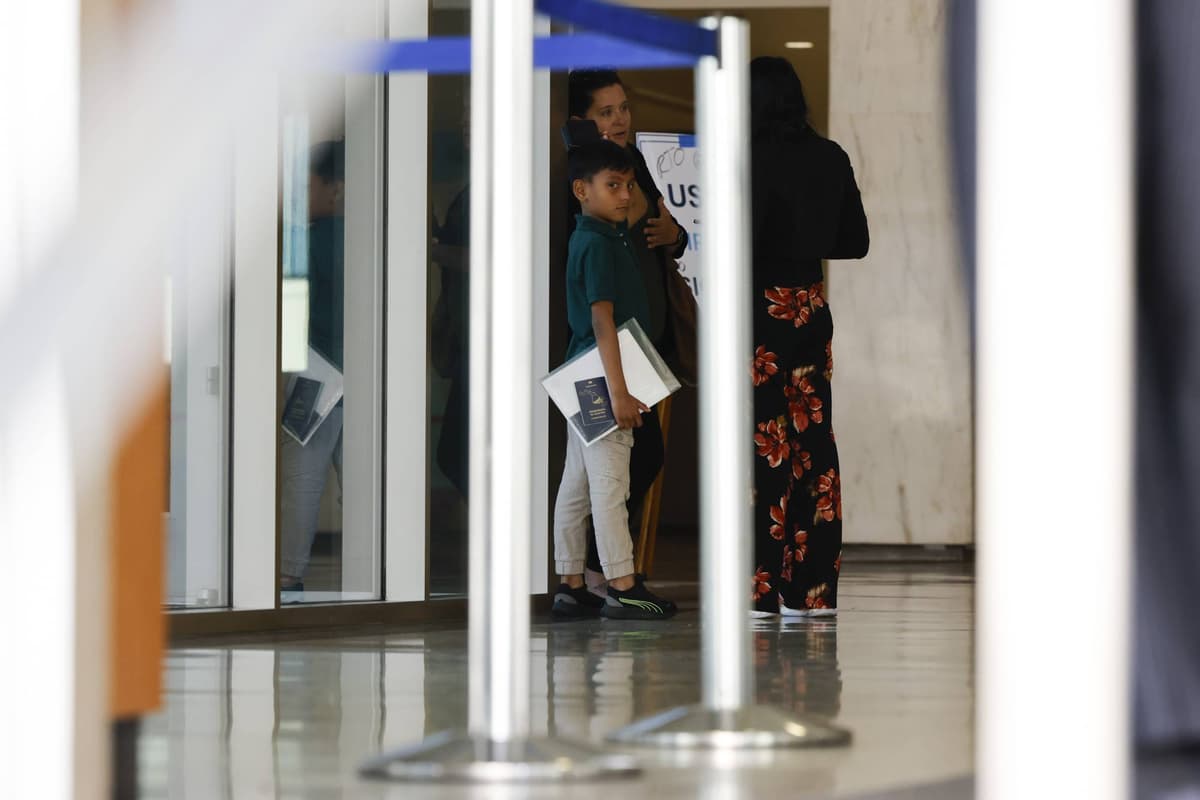
California’s courts are confronting an unprecedented wave of immigration enforcement inside their own walls. While state law already bars civil arrests at courthouses without a judicial warrant, ICE has repeatedly ignored the restriction, leading to dozens of high‑profile detentions in venues ranging from Oakland to Sacramento. The Judicial Council’s new reporting rule aims to shine a light on these incidents by requiring each of the 58 trial courts to log officer identification, warrant status, and the precise time and place of every arrest. By turning anecdote into data, officials hope to quantify a practice that has long been described as “invisible” to policymakers.
The stakes extend far beyond bureaucratic record‑keeping. Victims of domestic violence, sexual assault, and wage theft are increasingly reluctant to appear in court, fearing that a routine appearance could trigger an ICE raid. Public defenders report clients skipping hearings or settling cases without contest, undermining the adversarial process that safeguards rights. The chilling effect threatens the very foundation of due process, as witnesses and plaintiffs withdraw, leaving courts unable to adjudicate disputes fairly. By documenting the frequency and context of these arrests, the rule provides a factual basis for advocacy groups to demand stronger protections and for judges to push back against federal overreach.
Legislative efforts are already moving in tandem with the data initiative. SB 873 seeks to tighten the existing prohibition, granting the attorney general and affected individuals the ability to sue for up to $10,000 in damages when illegal courthouse arrests occur. Similar statutes exist in New York, and recent challenges to those laws have been dismissed, signaling judicial support for state autonomy in protecting courtroom sanctity. As California gathers its first reports this summer, the combination of hard data and legislative firepower could reshape the balance between immigration enforcement and the right to a safe, impartial forum for justice.
California Courts Will Begin Tracking ICE Arrests at Their Facilities
Comments
Want to join the conversation?
Loading comments...