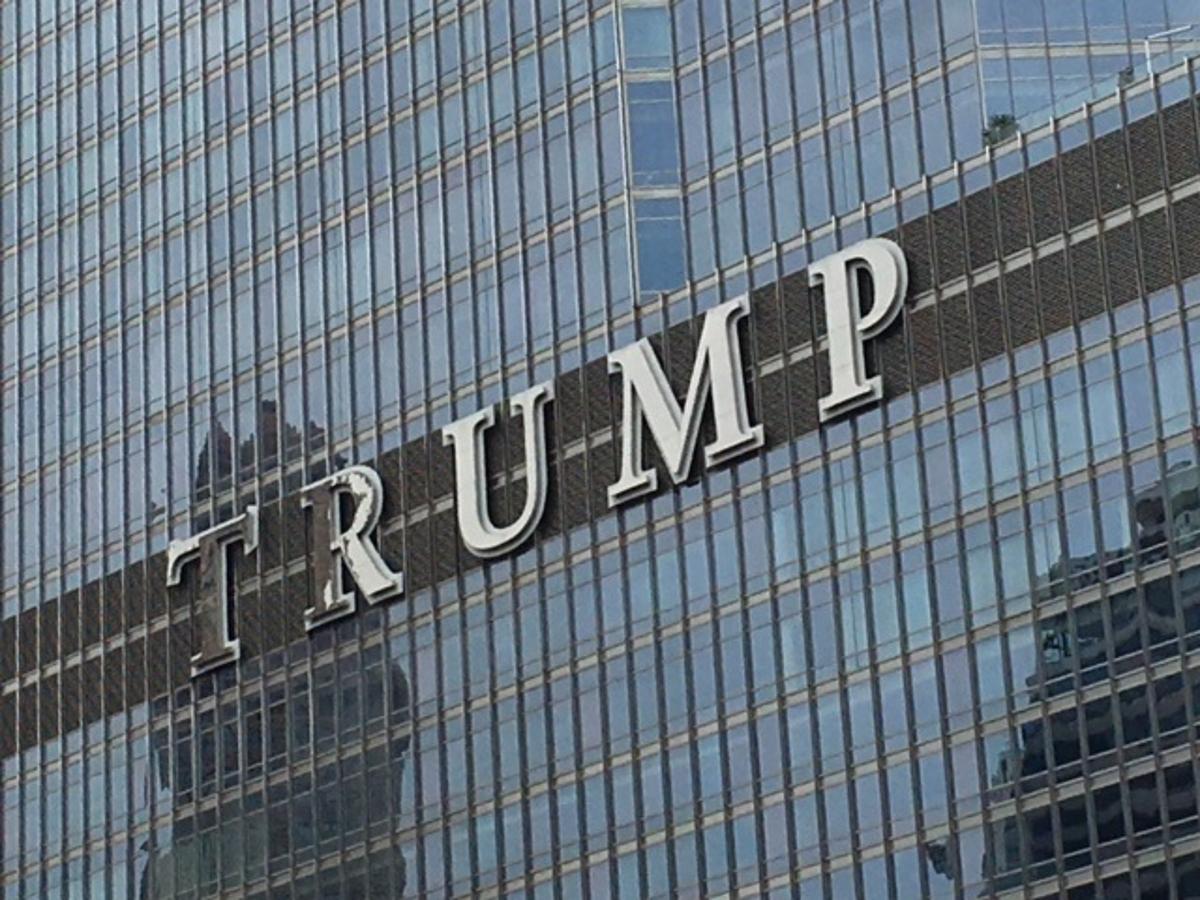
Can You Get In Any Legal Trouble By Flipping The Bird To Gaudy Trump-Branded Properties?
Why It Matters
Understanding the constitutional limits of expressive conduct helps activists avoid unnecessary legal entanglements and informs travelers about differing free‑speech protections abroad.
Key Takeaways
- •Flipping off Trump buildings is protected speech under the First Amendment
- •No criminal charges for the gesture in the United States
- •Police may still harass demonstrators despite constitutional protections
- •In Saudi Arabia, UAE, Oman, Qatar, such gestures can be illegal
- •Grandmother’s inflatable‑penis protest case highlights costly legal battles
Pulse Analysis
First‑amendment jurisprudence treats an obscene hand gesture as expressive conduct, especially when aimed at a public‑facing commercial property. Courts have repeatedly held that the government cannot criminalize speech simply because it is offensive, a principle reinforced by the recent acquittal of a 62‑year‑old protester in Alabama who wore a seven‑foot inflatable penis costume. That case underscores how even extreme political theater is shielded, though it also revealed how law‑enforcement can overstep, leading to costly legal battles for defendants who must defend their constitutional rights.
For activists on the ground, the practical takeaway is that while a finger salute to a Trump tower is unlikely to result in formal charges, police discretion can still translate into harassment, citations for unrelated offenses, or even temporary detention. Documenting interactions, knowing one’s rights, and having access to legal counsel are essential safeguards. The financial and emotional toll of defending a seemingly trivial act can be significant, as demonstrated by the grandmother’s experience, reminding protestors that free speech is a right, not a guarantee of hassle‑free expression.
The global dimension adds another layer of complexity. Trump‑branded developments now dot the skylines of Saudi Arabia, the United Arab Emirates, Oman and Qatar, where local statutes criminalize public disrespect toward authority symbols. Visitors who assume U.S. protections apply abroad risk arrest, fines, or deportation. Travelers should research host‑country laws before staging any public dissent, and consider alternative, low‑risk channels for expressing political views. The contrast between domestic constitutional safeguards and restrictive foreign regimes highlights the uneven terrain of free expression in an increasingly globalized brand landscape.
Can You Get In Any Legal Trouble By Flipping The Bird To Gaudy Trump-Branded Properties?
Comments
Want to join the conversation?
Loading comments...