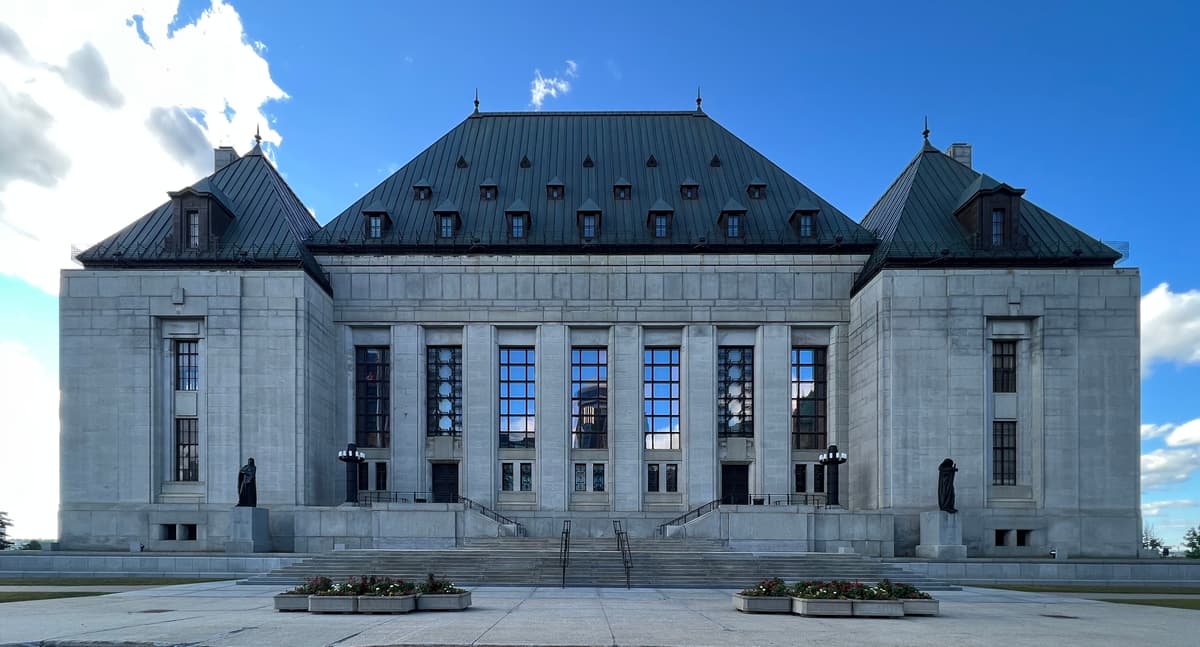
Canada High Court Finds Quebec Suspension of Independent Electoral Map Review Unconstitutional
Why It Matters
The decision reaffirms constitutional protections for voter equality and forces Quebec to conduct timely electoral‑boundary reviews, influencing the balance of political power in the province. It also sets a precedent for other jurisdictions on how far governments can deviate from representation‑by‑population standards.
Key Takeaways
- •SCC ruled 7-2 that Quebec's suspension violates Charter right to vote
- •Independent commission must continue reviewing districts before next election
- •Law aimed to protect Gaspésie but lacked rational connection, court said
- •Decision reinforces need for voter equity and minimal impairment principle
- •Ruling may pressure Quebec to adjust electoral boundaries before 2026 election
Pulse Analysis
The Supreme Court of Canada’s 7‑2 ruling against Quebec’s suspension of its electoral‑map review underscores the judiciary’s role in safeguarding the Charter’s guarantee of effective representation. By striking down a law that would have frozen district boundaries, the court emphasized that any limitation on voting rights must be rationally connected to a legitimate objective and minimally impair the right. The decision reinforces the principle that independent commissions, not political bodies, should steer the delicate balance between geographic realities and voter parity.
For Quebec, the judgment arrives at a critical juncture as the Coalition Avenir Québec faces scrutiny over a disproportionate seat share relative to its popular vote. The province’s attempt to preserve remote districts like Gaspésie without a thorough, independent review was deemed insufficient, prompting a likely acceleration of boundary adjustments before the next provincial election. Political analysts anticipate that redrawn districts could narrow the governing party’s advantage, potentially reshaping legislative dynamics and prompting renewed debate over the 25‑percent deviation threshold codified in the Elections Act.
Nationally, the case adds to a growing body of Canadian jurisprudence that treats voter equity as a core democratic value. Provinces such as British Columbia have already faced pressure to justify deviations from population‑based standards, and the SCC’s stance may embolden civil‑rights groups to challenge similar statutes elsewhere. By reaffirming that any encroachment on the right to vote must meet strict constitutional scrutiny, the ruling could drive a wave of electoral‑reform initiatives across Canada, reinforcing the country’s commitment to fair and effective representation.
Canada high court finds Quebec suspension of independent electoral map review unconstitutional
Comments
Want to join the conversation?
Loading comments...