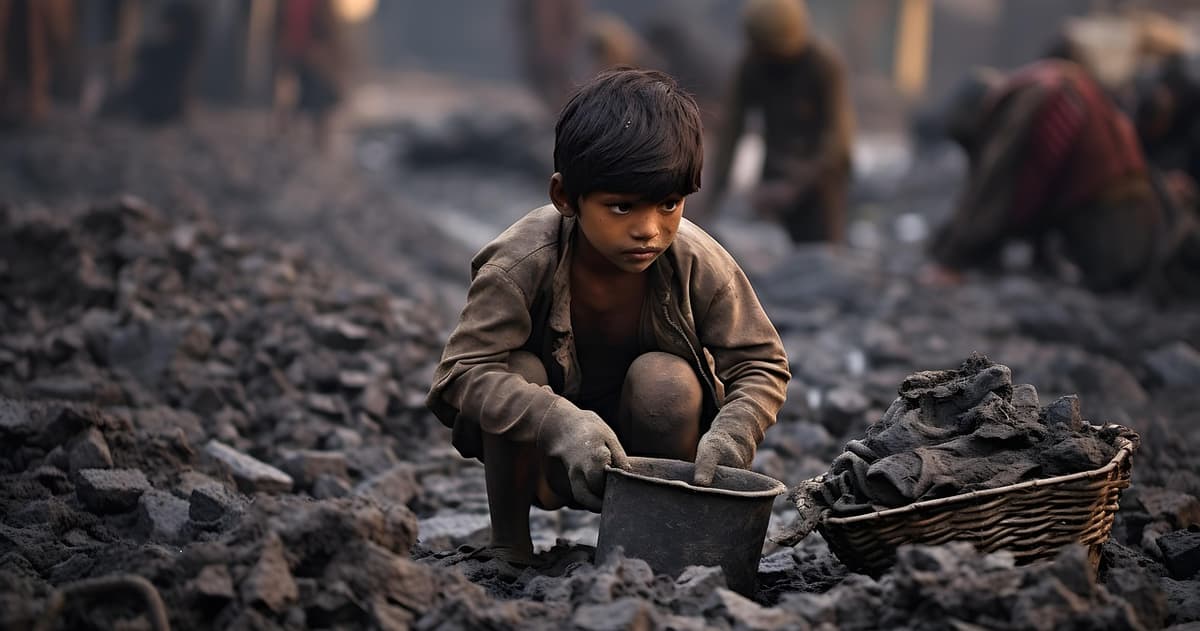
Canada Introduces Legislation to Strengthen Ban on Goods Produced with Forced Labor
Why It Matters
The legislation gives Canada stronger tools to protect human rights and secure supply chains, positioning the country as a leader in ethical trade and increasing compliance pressure on global manufacturers.
Key Takeaways
- •Bill C-35 creates independent forced‑labour import ban framework
- •Foreign minister can designate high‑risk goods for extra scrutiny
- •Importers must supply enhanced supply‑chain data or face prohibition
- •CBSA can detain goods up to 90 days for investigation
- •Canada joins US and Mexico as only nations with such bans
Pulse Analysis
Canada’s introduction of Bill C-35 marks a significant shift from a customs‑tariff provision to a dedicated legislative regime targeting forced‑labour products. By establishing an independent framework, the government can act more swiftly and transparently, mirroring the approach taken by the United States and Mexico. The act’s core mechanism—authorising the foreign minister to publish a high‑risk goods list—creates a clear, enforceable standard for importers, while the requirement for enhanced supply‑chain tracing adds a layer of accountability that was previously missing.
The enforcement provisions are equally robust. Customs officers, under the authority of the Canada Border Services Agency, may detain suspect shipments for up to 90 days, allowing time for thorough investigations. A cost‑recovery model ensures that importers found guilty of importing forced‑labour goods bear the financial consequences, discouraging willful violations. Coordination between federal agencies further strengthens the regime, facilitating information sharing and rapid response to emerging risks across regions, entities, or individuals.
Beyond domestic impact, Bill C-35 reinforces Canada’s alignment with global human‑rights initiatives and signals to multinational suppliers that ethical compliance is non‑negotiable. The legislation complements the 2024 Supply Chains Act, which already mandates reporting on forced‑labour risks, and responds to heightened international scrutiny following reports from Amnesty International and the ILO. For businesses, the new rules mean heightened due‑diligence costs and supply‑chain redesign, but they also open market opportunities for firms that can demonstrate transparent, labour‑rights‑compliant sourcing. Overall, the act strengthens Canada’s trade integrity while contributing to the broader effort to eradicate forced labour worldwide.
Canada introduces legislation to strengthen ban on goods produced with forced labor
Comments
Want to join the conversation?
Loading comments...