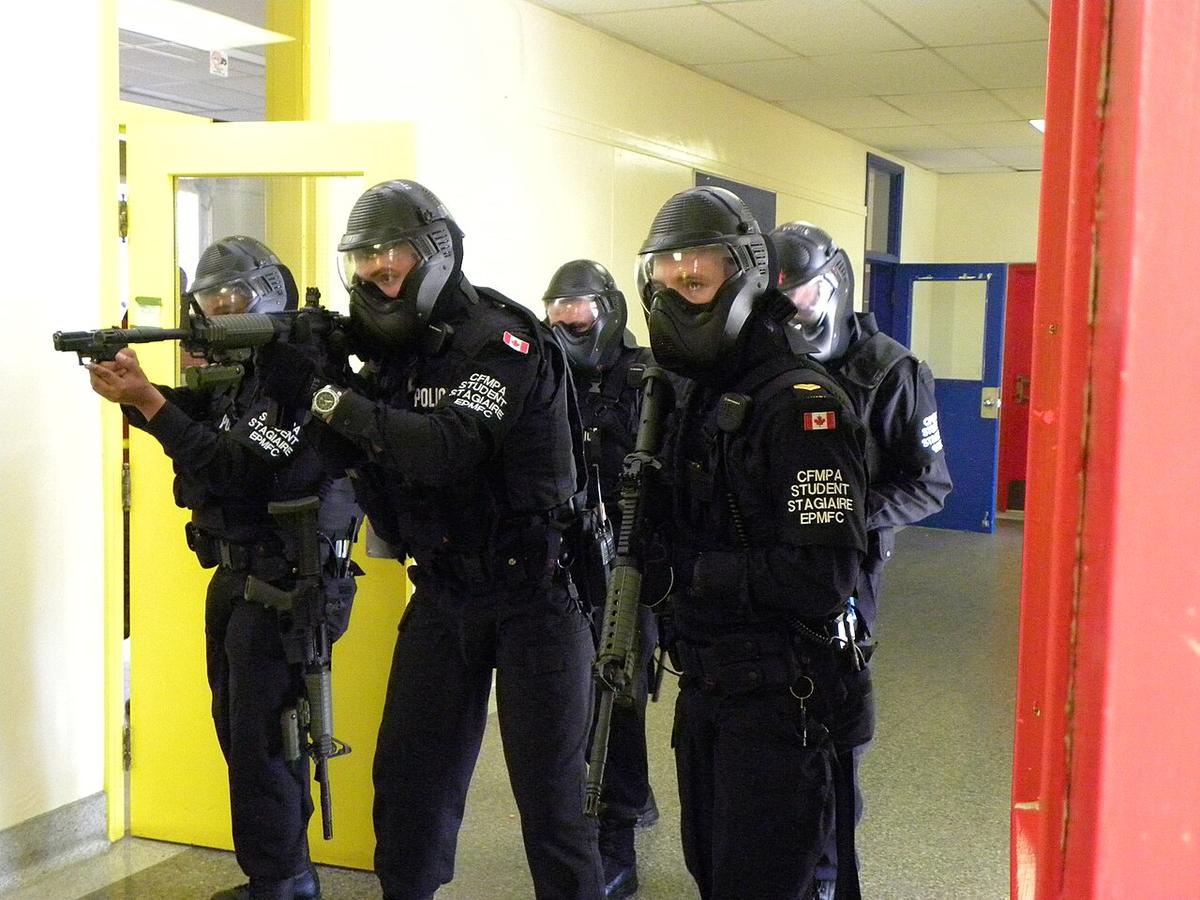
Canada Military Police Watchdog Seeks Greater Authority to Investigate Complaints
Why It Matters
Enhanced legislative authority would allow the MPCC to enforce accountability, strengthening the rule of law within Canada’s armed forces and restoring public confidence in military policing.
Key Takeaways
- •MPCC opened 212 new files, 72 conduct complaints in 2025.
- •CFPM rejected 32.2% of MPCC recommendations, down from 44.4% in 2024.
- •Commission seeks legislative powers to enforce oversight and access police notes.
- •Eight public interest investigations tackled sexual misconduct, arson, attempted murder.
- •Oversight barriers shifted from procedural resistance to outright refusal.
Pulse Analysis
The call for expanded powers by Canada’s Military Police Complaints Commission (MPCC) reflects a broader trend of civilian oversight bodies demanding statutory tools to ensure transparency. While the MPCC’s 2025 report highlights a modest improvement in recommendation acceptance, the continued 32.2% rejection rate underscores a structural gap between military police leadership and independent scrutiny. Legislative reforms—such as authority to compel evidence, access police notebooks, and enforce compliance—are standard in mature oversight regimes and would align Canada’s military policing with best practices observed in other NATO allies.
Beyond the procedural deficiencies, the MPCC’s investigative portfolio reveals deep‑seated cultural challenges. Eight public‑interest investigations this year addressed grave offenses, including sexual misconduct, arson, and an attempted murder, while hearings examined use‑of‑force protocols and racial profiling. These cases illustrate how limited oversight can allow systemic issues to fester, eroding trust among service members and the public. By granting the MPCC robust enforcement capabilities, policymakers can create a feedback loop that not only corrects individual misconduct but also drives reforms in training, de‑escalation tactics, and victim‑support services.
For defence leaders, the stakes are both operational and reputational. Effective civilian oversight reinforces the rule of law, deters misconduct, and safeguards Canada’s democratic values. It also mitigates legal and financial risks associated with litigation over rights violations. As the MPCC prepares another legislative package, the next parliamentary decision will signal whether Canada prioritizes accountability in its armed forces or permits the status quo of procedural resistance to persist.
Canada military police watchdog seeks greater authority to investigate complaints
Comments
Want to join the conversation?
Loading comments...