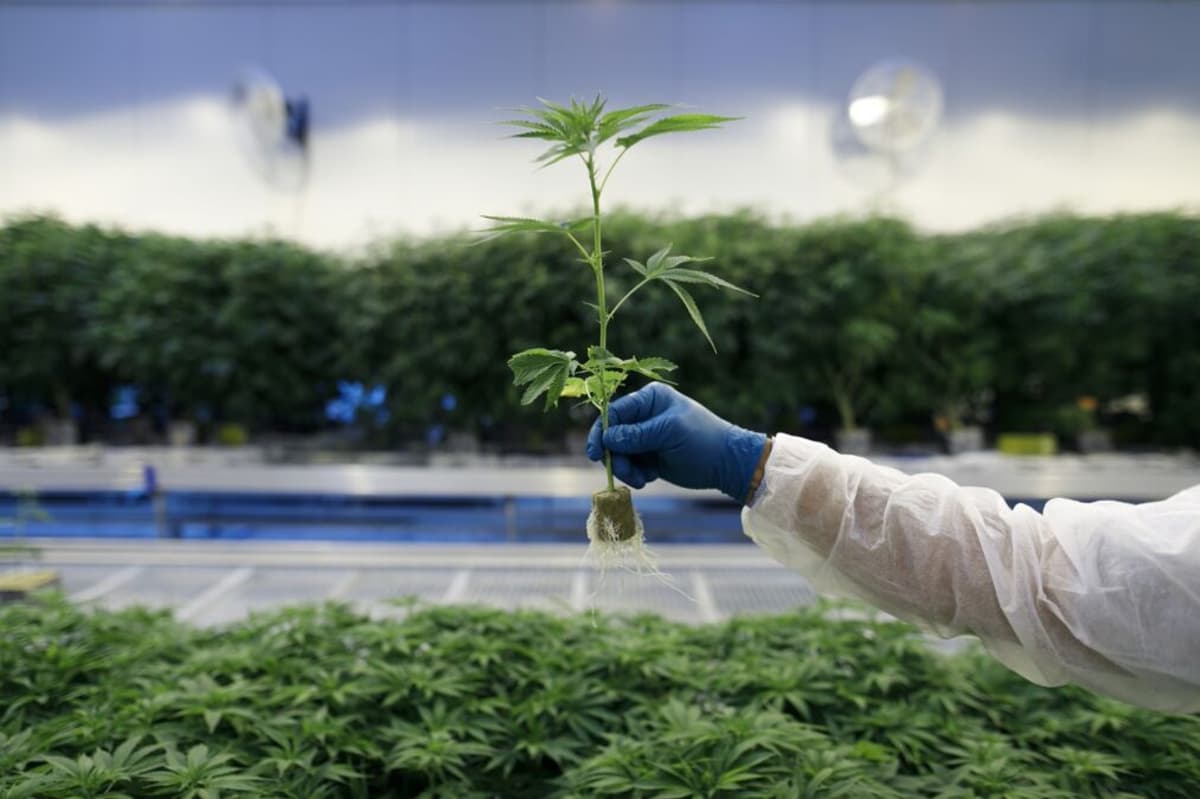
Cannabis Tax Relief Is Here, for Some
Companies Mentioned

Bloomberg
Why It Matters
The partial rescheduling dramatically cuts tax burdens for medical cannabis businesses, improving profitability and investor appeal, while leaving recreational operators subject to the punitive 280E regime.
Key Takeaways
- •DOJ reclassifies FDA‑approved and state‑licensed medical cannabis to Schedule III.
- •Section 280E no longer blocks ordinary deductions for qualifying medical operators.
- •Treasury/IRS will issue guidance on expense apportionment and transition rules.
- •Recreational marijuana stays Schedule I, so 280E still applies to those businesses.
- •New DEA hearing June 29‑July 15 2026 could expand rescheduling to all cannabis.
Pulse Analysis
The Justice Department’s April 23 order marks the first federal move in more than half a century to pull any marijuana‑derived product out of Schedule I. By placing FDA‑approved formulations and products sold under a state‑issued medical license into Schedule III, the administration has created a narrow but concrete carve‑out for the medical cannabis sector. The decision sidestepped the usual rulemaking process, invoking the attorney‑general’s treaty‑implementation authority. While adult‑use cannabis remains in Schedule I, the order signals a willingness by the current administration to align federal policy with the roughly 40 states that already run regulated medical programs.
From a tax perspective the change is dramatic. Section 280E, which bars ordinary deductions for Schedule I and II substances, no longer applies to qualifying medical operators. They can now claim full Section 162 deductions for rent, payroll, marketing and other routine costs, sharply lowering effective tax rates that previously exceeded 70 percent. Treasury and IRS guidance will clarify expense apportionment between medical activities that enjoy the Schedule III exemption and any remaining Schedule I operations, and confirm that relief covers the entire taxable year containing the April 23 effective date.
The relief, however, is far from comprehensive. Recreational growers and dispensaries still face 280E, and the order does not solve the banking shortage that hampers the industry. A fast‑tracked DEA hearing set for June 29‑July 15 2026 will decide whether the partial rescheduling can expand to all cannabis products, but the compressed timetable raises procedural risk. Advisors should separate medical and recreational activities, model cash‑flow scenarios with the new deduction regime, and monitor forthcoming guidance and potential litigation.
Cannabis tax relief is here, for some
Comments
Want to join the conversation?
Loading comments...