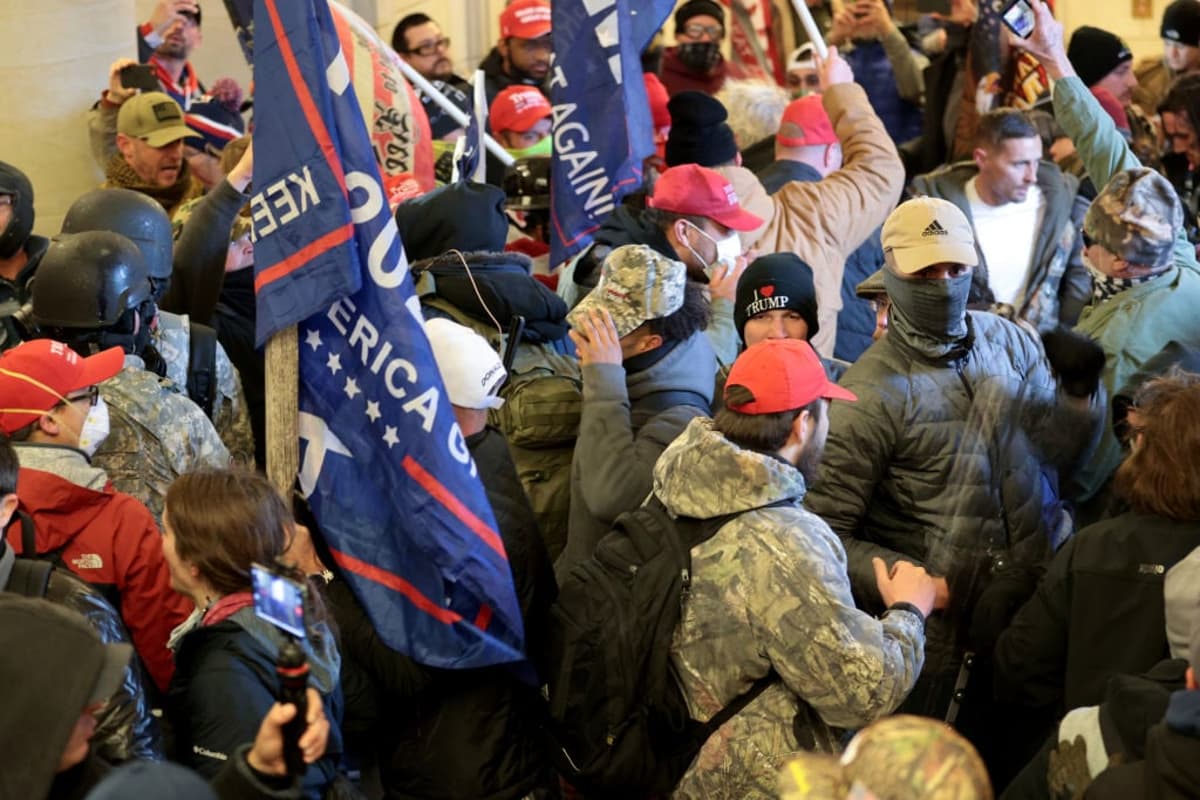
Capitol Police Officers Sue To Block Trump Slush Fund For Rioters
Why It Matters
The lawsuit challenges an unprecedented use of taxpayer money to reward insurrection participants, testing executive limits on federal spending and Fourteenth Amendment protections.
Key Takeaways
- •Trump created $1.776 billion “Anti‑Weaponization Fund” for Jan 6 defendants
- •Commission appointed by Todd Blanche runs fund without judicial oversight
- •Officers claim threats and aim to block taxpayer money to rioters
- •Lawsuit challenges DOJ’s authority to create new claim‑settlement fund without Congress
- •Outcome could set precedent for executive use of federal funds for allies
Pulse Analysis
The Justice Department’s newly announced $1.776 billion “Anti‑Weaponization Fund” is intended to reimburse individuals who claim financial losses from the January 6 attack, including convicted rioters. Critics argue the fund lacks any statutory basis, sidestepping Congress by invoking obscure provisions and placing control in the hands of a five‑member commission appointed by President Trump’s personal lawyer, Todd Blanche. Legal scholars warn that such a mechanism blurs the line between settlement of legitimate claims and a presidential grant of immunity, raising serious separation‑of‑powers concerns. The move has sparked bipartisan criticism and calls for congressional investigation.
Former Capitol Police officer Harry Dunn and Metropolitan Police officer Daniel Hodges filed a federal suit alleging personal threats from extremist groups and arguing that the fund unlawfully diverts taxpayer money to pay legal fees and restitution for insurrectionists. Their complaint contends the DOJ cannot create a new settlement vehicle without congressional approval and that the fund violates the Fourteenth Amendment’s prohibition on using federal resources to support rebellion. The case hinges on standing, but the officers’ documented harassment may satisfy the concrete‑injury requirement.
If the court blocks the Anti‑Weaponization Fund, it would reaffirm congressional control over federal spending and limit future attempts to channel Treasury resources toward politically favored groups. Conversely, a ruling upholding the fund could embolden the executive branch to create ad‑hoc financial mechanisms, eroding fiscal oversight and setting a dangerous precedent for rewarding allies after unlawful actions. Stakeholders—from taxpayers to civil‑rights advocates—are watching closely, as the outcome may shape how the government addresses the financial fallout of domestic extremism.
Capitol Police Officers Sue To Block Trump Slush Fund For Rioters
Comments
Want to join the conversation?
Loading comments...