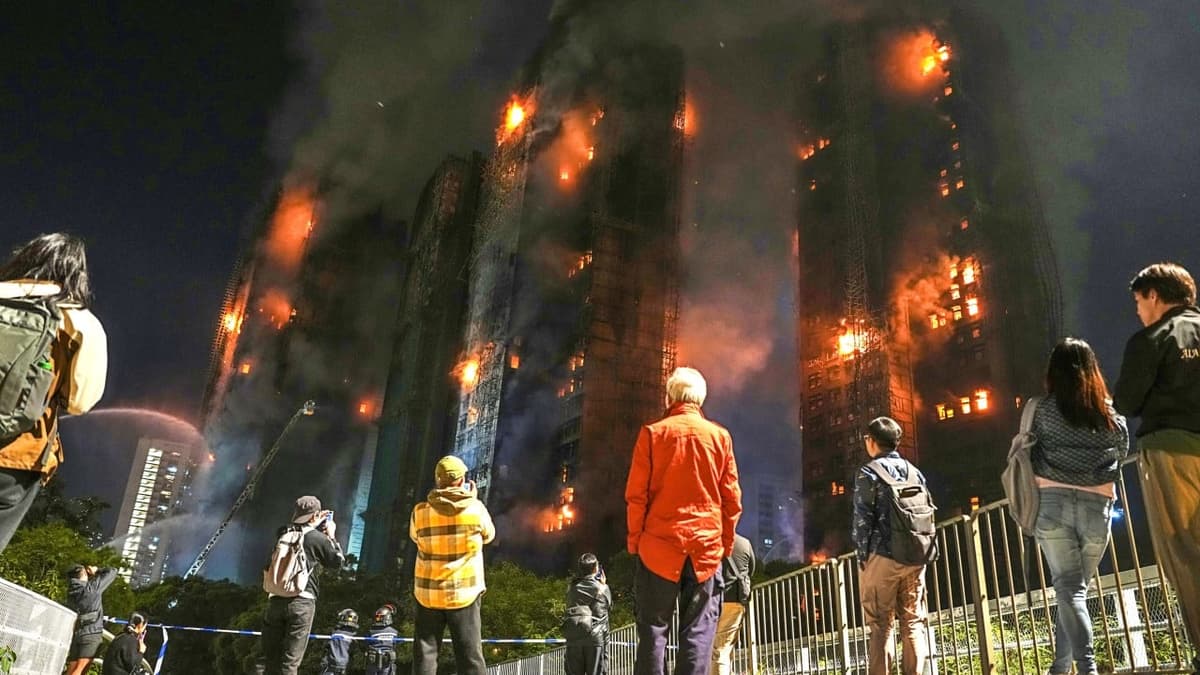
Changes to Fire Services Law with Tougher Penalties Set for Public Consultation
Why It Matters
Stricter enforcement raises compliance costs for developers and contractors while aiming to prevent future tragedies, signaling a tougher regulatory climate for Hong Kong's construction and property sectors.
Key Takeaways
- •Six‑month fire alarm tests become legal requirement
- •Deactivating fire systems now needs prior government approval
- •Penalties rise to HK$3 million (≈US$380k) and up to three years jail
- •Contractors must report equipment faults within 24 hours
- •Public consultation scheduled before Legislative Council meeting on May 5
Pulse Analysis
The Tai Po fire that claimed dozens of lives last November exposed critical weaknesses in Hong Kong’s fire‑safety oversight, prompting officials to rethink the legal framework that governs building protection. By launching a public consultation, the Security Bureau is inviting industry stakeholders to weigh in on a package of reforms that go beyond routine inspections. Mandatory six‑month alarm‑bell tests, mandatory notification of equipment faults within 24 hours, and a requirement for prior approval before any firefighting system is shut down are designed to create a proactive safety net rather than a reactive one.
At the heart of the proposal is a dramatic escalation of penalties. Fines for falsifying fire‑safety certificates or mishandling equipment could climb from HK$50,000 (about US$6,380) to HK$3 million (≈US$380,000), accompanied by up to three years’ imprisonment for severe violations. This punitive shift signals that the government will treat fire‑safety breaches as serious criminal offenses, compelling developers, contractors, and building owners to allocate more resources to compliance and risk‑management programs. The heightened financial exposure also aligns Hong Kong’s enforcement posture with other major global cities that have tightened safety standards after high‑profile incidents.
Beyond the immediate legal changes, the consultation underscores a broader trend toward stricter regulatory oversight in the region’s property market. As Hong Kong seeks to restore confidence among investors and residents, transparent stakeholder engagement will be crucial to balance safety imperatives with the practical realities of construction timelines and costs. The outcome of this process could set a benchmark for future safety legislation, influencing how other jurisdictions approach fire‑risk governance in densely populated urban environments.
Changes to fire services law with tougher penalties set for public consultation
Comments
Want to join the conversation?
Loading comments...