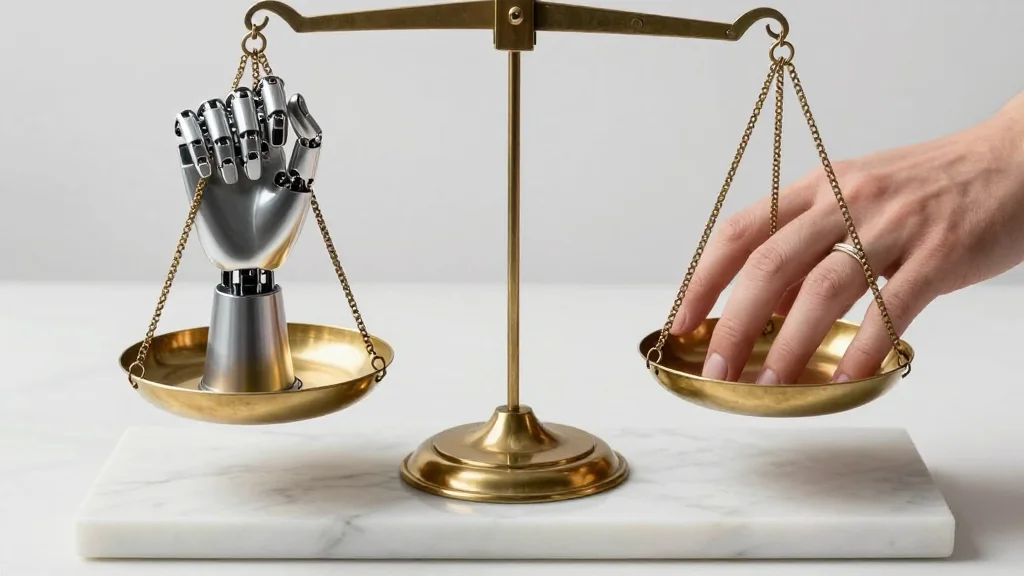
China Is Trying to Stop AI From Becoming a Layoff Machine
Why It Matters
The decisions create the first legal shield for Chinese workers against AI‑driven redundancies, signaling higher compliance costs for firms and setting a precedent that could influence labor policy elsewhere.
Key Takeaways
- •Chinese courts deem AI adoption a strategic choice, not a force majeure
- •Employers must bear layoff costs when replacing staff with AI
- •Zhou received compensation after illegal termination for refusing AI‑driven demotion
- •Judges urge retraining and fair pay for workers displaced by automation
Pulse Analysis
The rapid integration of generative AI into enterprise workflows has sparked a surge in workforce reductions worldwide. While many companies cite AI as a catalyst for efficiency, the underlying drivers often include over‑hiring, margin pressure, or strategic pivots. In China, where urban youth unemployment sits at 15.3 percent, the government views mass layoffs as a stability risk, prompting courts to scrutinize the legitimacy of AI‑based terminations. The Hangzhou and Beijing rulings underscore a shift from at‑will dismissal toward employer accountability for technology‑driven restructuring.
At the heart of the legal reasoning is the distinction between unforeseeable events—such as natural disasters—and deliberate business decisions like AI adoption. By classifying automation as a strategic choice, Chinese judges denied companies the right to invoke the Labour Contract Law’s “fundamental change of circumstances” clause to justify terminations. This contrasts sharply with the United States, where at‑will employment gives employers broad latitude, and the EU’s AI Act, which regulates tool usage but not workforce restructuring. The Chinese precedent forces firms to consider retraining, fair compensation, and transparent redeployment plans, raising compliance costs and potentially slowing aggressive AI rollouts.
The broader implication is a potential ripple effect on global labor standards. As executives increasingly label layoffs as “AI‑washing,” the Chinese framework could inspire similar protections in jurisdictions wary of unchecked automation. Companies may need to substantiate AI‑driven cuts with robust impact assessments and offer meaningful upskilling pathways. For workers, the rulings provide a rare legal foothold to challenge dismissals, while for investors, they signal a more measured pace of AI integration, balancing productivity gains against regulatory and reputational risks.
China is trying to stop AI from becoming a layoff machine
Comments
Want to join the conversation?
Loading comments...