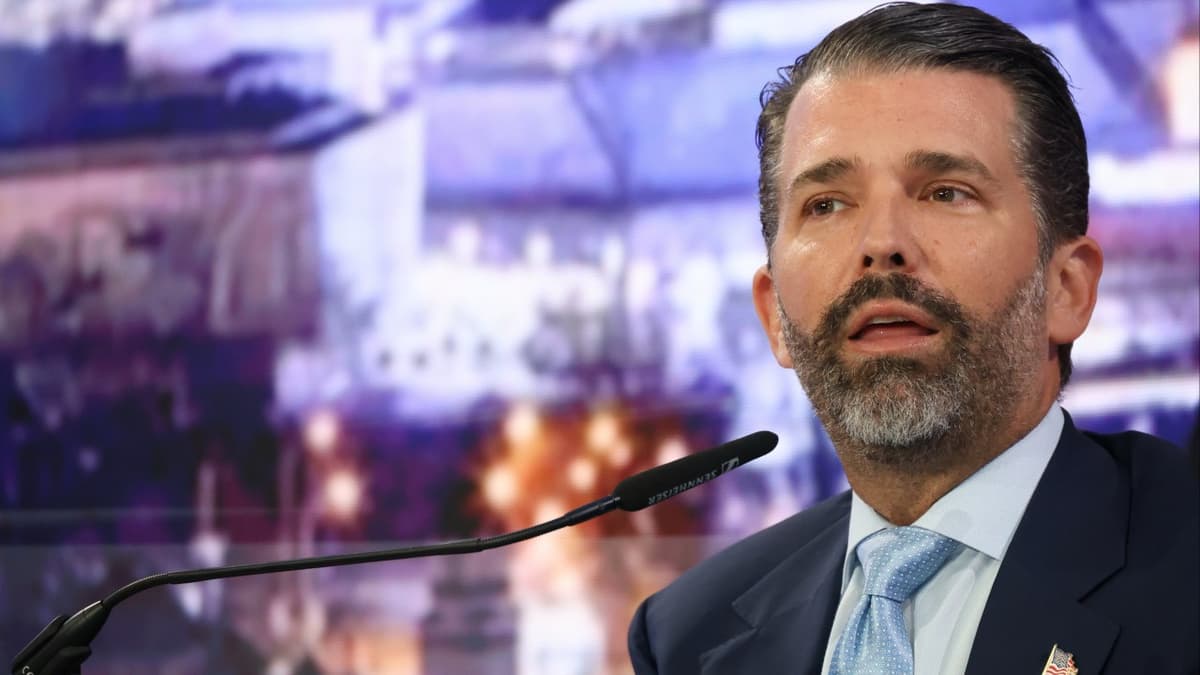
Chinese Business ‘Hired Lobbying Firm with Ties to Donald Trump Jnr’, for Washington Win
Why It Matters
The successful lobbying effort demonstrates how foreign firms can shape U.S. security decisions, raising concerns about transparency and national‑security policy. It signals heightened scrutiny of China‑U.S. business ties amid geopolitical tension.
Key Takeaways
- •Checkmate lobbied on behalf of Grand Pharmaceutical Group
- •Firm secured removal of national security block
- •Lobbying ties include Donald Trump Jr.'s hunting associate
- •U.S. watchdog reversed decision after lobbying effort
- •Case highlights Chinese firms using U.S. political connections
Pulse Analysis
Chinese companies have increasingly turned to Washington’s lobbying ecosystem to mitigate regulatory risks, especially when national‑security reviews threaten market access. Grand Pharmaceutical Group, a major player in China’s drug sector, faced a potential ban that would have limited its ability to sell products and secure partnerships in the United States. By engaging Checkmate, the firm tapped into a network that can translate corporate concerns into political language, positioning the case as a matter of trade fairness rather than security threat. This strategy reflects a broader trend where Chinese enterprises seek to influence policy outcomes through well‑connected intermediaries.
Checkmate’s leadership includes a longtime hunting companion of Donald Trump Jr., a connection that provides the firm with informal access to influential circles in the Republican establishment. While lobbying firms routinely represent foreign interests, the personal link to a high‑profile political family adds a layer of credibility and potential leverage. The firm’s filing details a series of meetings with senior officials at the Committee on Foreign Investment in the United States (CFIUS) and targeted briefings that emphasized the company’s compliance record and economic contributions. Such tactics illustrate how personal networks can accelerate the resolution of complex security reviews.
The episode raises questions about the robustness of U.S. safeguards against foreign influence. As Chinese firms continue to embed themselves in American supply chains, regulators may tighten disclosure requirements and scrutinize the role of lobbyists with political ties. For investors and policymakers, the case serves as a reminder that national‑security decisions are not made in a vacuum; they are increasingly shaped by the interplay of corporate lobbying, personal relationships, and geopolitical considerations. Understanding these dynamics is essential for navigating the evolving landscape of U.S.-China economic engagement.
Chinese business ‘hired lobbying firm with ties to Donald Trump Jnr’, for Washington win
Comments
Want to join the conversation?
Loading comments...