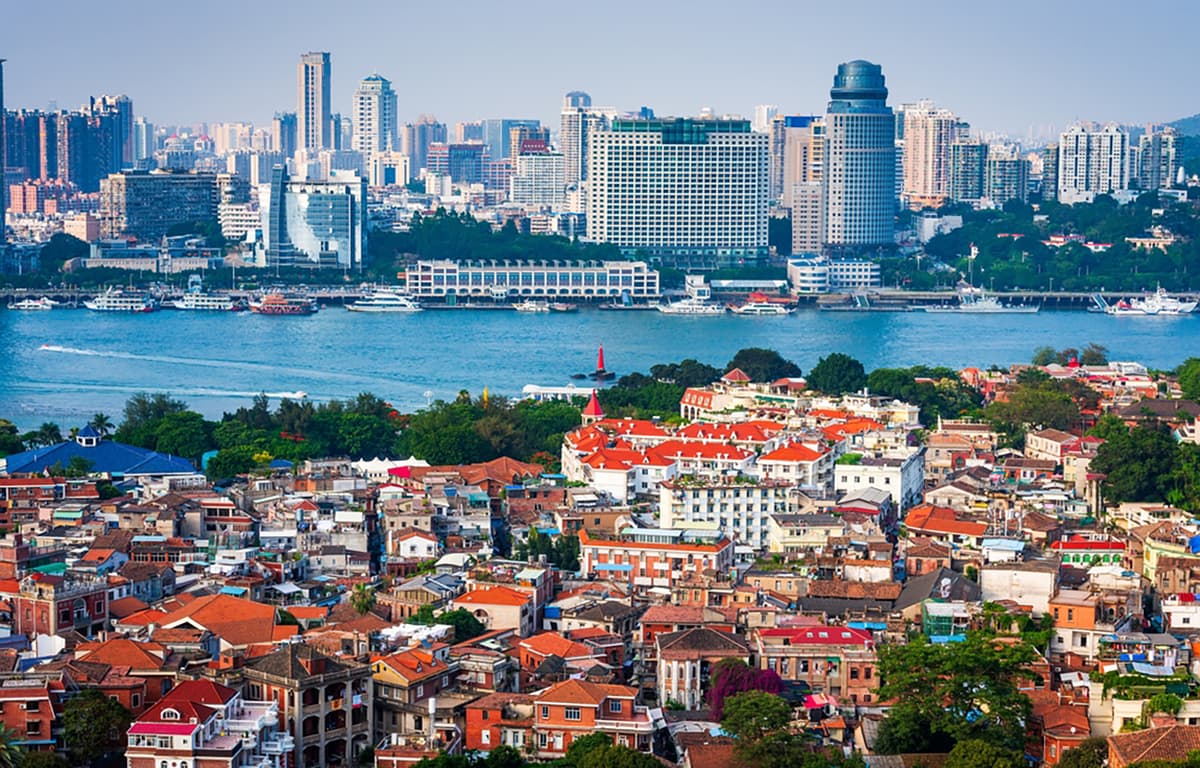
Chinese City's Bid to Become High Seas Treaty Secretariat Sparks Influence-Gathering Fears
Why It Matters
The secretariat’s location will determine the transparency, scientific rigor, and geopolitical balance of the High Seas Treaty’s implementation, affecting global marine conservation outcomes.
Key Takeaways
- •Xiamen, Brussels, Valparaíso vie for High Seas Secretariat.
- •China sees secretariat as leverage for global ocean governance.
- •Critics fear reduced data transparency and IUU fishing influence.
- •Hosting could pressure Fujian fleet to improve compliance.
- •Decision expected later this year, shaping future marine protection.
Pulse Analysis
The High Seas Treaty, formally the BBNJ Agreement, marks the first binding international pact to safeguard the vast majority of the world’s oceans that lie beyond national borders. Its secretariat will serve as the operational hub—organising negotiations, managing shared scientific databases, and overseeing the creation of marine protected areas. By centralising these functions, the secretariat can accelerate data‑driven decision‑making and ensure consistent compliance monitoring, which are essential for translating the treaty’s lofty goals into measurable conservation results.
China’s push to locate the secretariat in Xiamen reflects a broader strategy to embed its scientific and diplomatic clout within the emerging architecture of ocean governance. Proponents argue that Xiamen’s world‑class marine research institutions and experience hosting events like World Ocean Week provide a solid foundation for effective administration. However, observers warn that China’s historically opaque decision‑making and its ties to distant‑water fishing fleets could skew data handling, limit transparency, and undermine the treaty’s science‑based ethos. The presence of sanctioned fishing companies in Fujian adds a layer of reputational risk that could affect the treaty’s credibility.
The eventual choice of secretariat will send a powerful signal about the balance of influence in global marine policy. A European or South American host might reassure stakeholders about adherence to participatory, science‑first processes, while a Chinese venue could accelerate investment in marine research but raise governance concerns. Regardless of location, the secretariat’s effectiveness will hinge on its ability to foster inclusive stakeholder engagement, protect data integrity, and enforce compliance across diverse jurisdictions. The decision slated for later this year will therefore shape not only the operational mechanics of the High Seas Treaty but also the broader trajectory of international ocean stewardship.
Chinese city's bid to become High Seas Treaty Secretariat sparks influence-gathering fears
Comments
Want to join the conversation?
Loading comments...