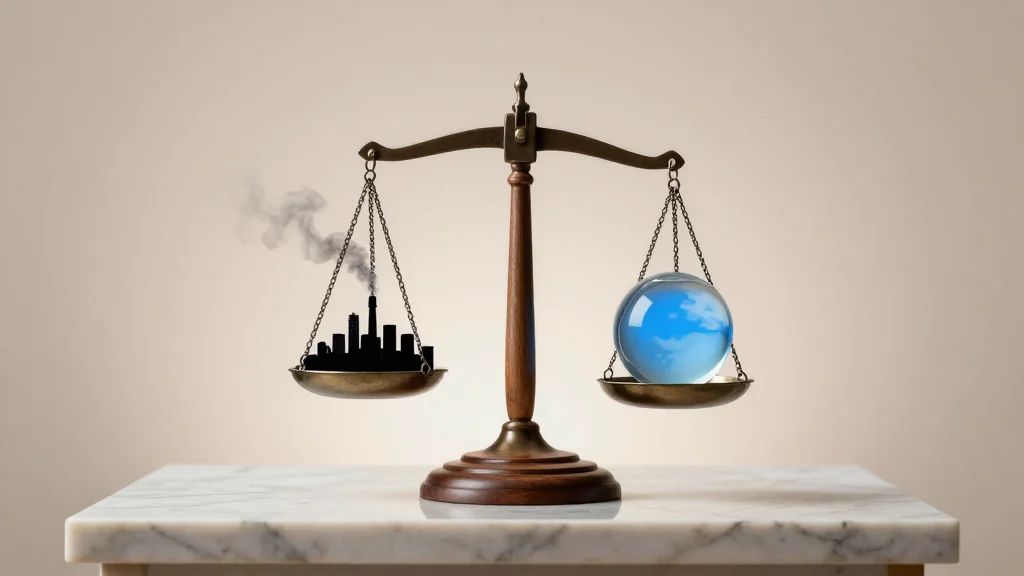
Cities Sue EPA for Failing to Uphold Soot Standard
Why It Matters
Without EPA designations, states and cities cannot enforce the stricter soot limits, delaying potential reductions in premature deaths and associated healthcare costs. The outcome will shape federal‑state dynamics in environmental regulation for years to come.
Key Takeaways
- •10 states, D.C., Harris County, and NYC sue EPA over soot rule
- •EPA has not issued air‑quality designations required by the 2024 rule
- •New standard lowers PM2.5 limit from 12 µg to 9 µg by 2032
- •Republican states and industry groups are challenging the stricter standard in court
- •Litigation could delay health benefits and local enforcement tools
Pulse Analysis
The lawsuit filed Friday underscores a growing clash between federal environmental policy and local jurisdictions seeking to protect public health. By refusing to issue the air‑quality designations mandated under the Clean Air Act, the EPA effectively stalls the enforcement of the 2024 rule that tightens the national fine‑particulate standard to 9 µg per cubic meter. This designation process is critical because it triggers state‑level implementation plans, funding allocations, and compliance deadlines that can drive down emissions from vehicles, power plants, and industrial sources.
Health experts estimate that each microgram per cubic meter reduction in PM2.5 can prevent thousands of premature deaths, heart attacks, and asthma attacks annually. The coalition’s complaint highlights the tangible costs of inaction: higher healthcare expenditures, lost productivity, and disproportionate impacts on vulnerable communities. If the court compels the EPA to move forward, local governments will regain leverage to enforce stricter controls, potentially accelerating the transition to cleaner energy and transportation technologies.
The legal battle also reflects broader political dynamics. While Democratic‑led states and municipalities defend the tighter standard, Republican attorneys general and industry groups argue that the rule oversteps statutory authority and imposes costly compliance burdens. Pending decisions from the D.C. Circuit and the Northern District of California could set precedents for how aggressively the EPA can regulate air quality in the future. Stakeholders from the energy sector to public‑health advocates are watching closely, as the ruling will influence both regulatory strategy and market investment in emission‑reduction solutions.
Cities sue EPA for failing to uphold soot standard
Comments
Want to join the conversation?
Loading comments...