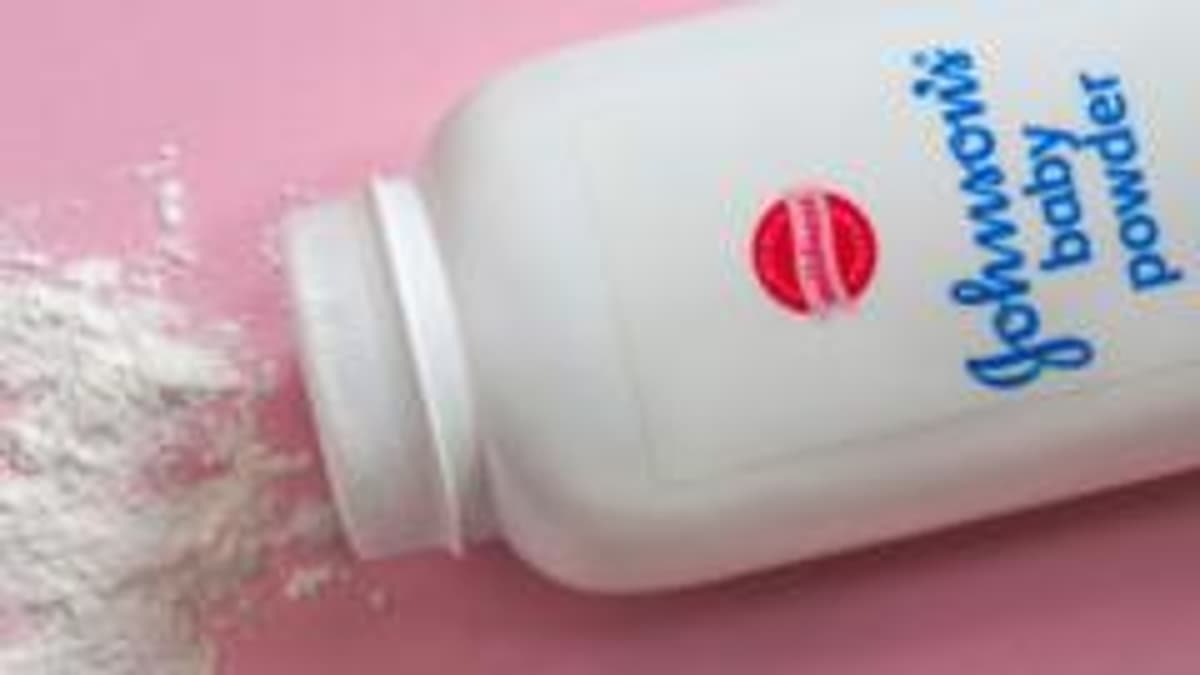
Claimants in Johnson & Johnson Talcum Powder Case Rise to 7,000
Companies Mentioned
Why It Matters
The case highlights the growing legal and financial risk for legacy consumer‑goods firms accused of historic safety failures, and it could set a precedent for mass‑tort litigation in the UK market.
Key Takeaways
- •7,111 claimants now in UK J&J talc litigation
- •Case could become UK's largest product‑liability lawsuit
- •Claimants allege J&J knew of asbestos contamination since 1960s
- •Lawyers dispute information requests, calling them oppressive and unfair
- •One claimant dies from cancer every three days, prompting speedup
Pulse Analysis
Johnson & Johnson’s talc controversy has long simmered in the United States, where verdicts and settlements have totaled billions of dollars. The UK case, now involving over 7,000 claimants, marks the first time the dispute has reached a scale comparable to the American litigation landscape. By framing the issue as a product‑liability matter rather than a pure health claim, the High Court is positioning itself to address corporate responsibility across borders, while also reflecting heightened public scrutiny of legacy consumer products.
The legal battle underscores a broader shift in how regulators and courts evaluate historical safety data. If claimants succeed, J&J could face unprecedented financial exposure in Europe, potentially prompting a reassessment of its global risk reserves and insurance structures. Investors will be watching for any indication of settlement talks, as a large payout could affect the company’s earnings outlook and share price. Moreover, the dispute over information requests illustrates the tactical tug‑of‑war between plaintiffs seeking swift justice and defendants aiming to limit discovery costs, a dynamic that may influence future mass‑tort strategies.
Looking ahead, the outcome of this case could reshape the litigation playbook for multinational manufacturers. A ruling that favors the claimants might encourage other consumer‑goods firms to proactively review product safety histories and enhance labeling practices to mitigate similar lawsuits. Conversely, a decision that curtails the scope of claimant disclosures could embolden corporations to adopt more defensive postures in cross‑border disputes. For stakeholders, the key takeaway is that legacy product safety issues remain a potent source of legal risk, demanding vigilant compliance and transparent communication with regulators and consumers alike.
Claimants in Johnson & Johnson talcum powder case rise to 7,000
Comments
Want to join the conversation?
Loading comments...