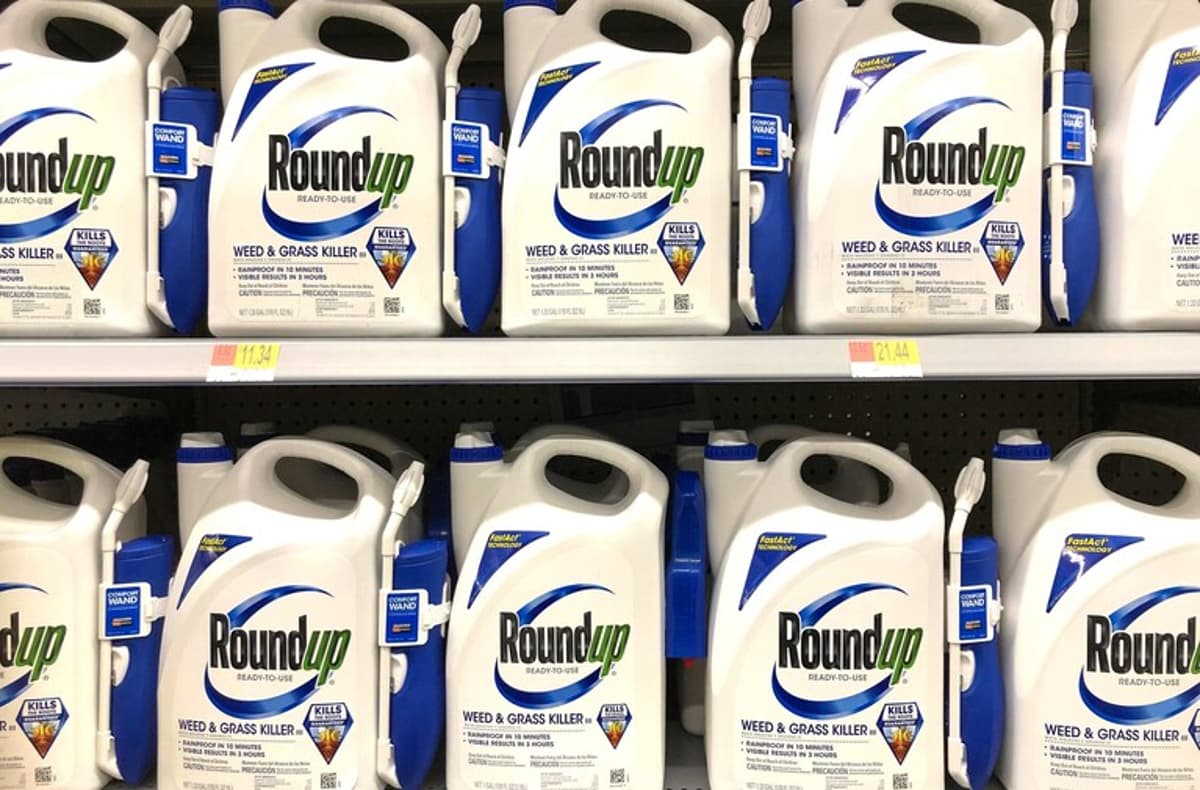
Class Counsel in $7.25B Roundup Settlement Ask for $675M in Legal Fees
Why It Matters
A $675 million fee request—roughly 9% of the settlement—tests the limits of attorney compensation in massive consumer‑class actions and could reshape fee‑allocation standards for future mass‑tort cases.
Key Takeaways
- •Class counsel seeks $675 million in fees for Roundup settlement
- •Judge Timothy Boyer will rule on fees July 9, 2026
- •Other lawyers have 90 days post‑approval to claim fee shares
- •Settlement includes Monsanto, Gibson Dunn, and Wachtell lawyers
- •Fee request represents ~9.3% of total settlement
Pulse Analysis
The Roundup litigation, sparked by allegations that Monsanto’s glyphosate‑based herbicide caused cancer, culminated in a historic $7.25 billion settlement—the largest ever for a pesticide case. Plaintiffs, representing millions of consumers, secured compensation for medical expenses, lost wages, and punitive damages. The agreement also required Monsanto, now part of Bayer, to fund ongoing research and implement stricter labeling. While the settlement closed a decade‑long legal battle, it left the question of attorney remuneration open, setting the stage for the current fee dispute.
Under the Federal Rules of Civil Procedure, class counsel must demonstrate that fees are reasonable, proportionate to the work performed, and in the best interest of the class. The $675 million request reflects more than a year and a half of intensive negotiations, expert testimony coordination, and settlement structuring. Critics argue that such a fee, equivalent to roughly 9.3% of the total award, could erode the net recovery for class members, while supporters contend that the complexity and scale of the case justify premium compensation. The upcoming July 9 ruling will scrutinize the fee allocation methodology, including the role of co‑counsel firms Gibson Dunn & Crutcher and Wachtell Lipton, Rosen & Katz.
The outcome will reverberate across the mass‑tort landscape. A court endorsement of the $675 million fee could cement a precedent for generous attorney payouts in high‑stakes settlements, influencing how law firms price their services and negotiate future deals. Conversely, a reduction would signal heightened judicial oversight, prompting plaintiffs’ firms to adopt more transparent fee structures and possibly encouraging alternative fee arrangements. Stakeholders—from investors monitoring Bayer’s liability exposure to consumer advocacy groups tracking class‑action fairness—will watch the decision closely for clues about the evolving balance between rewarding legal expertise and preserving claimant recoveries.
Class Counsel in $7.25B Roundup Settlement Ask for $675M in Legal Fees
Comments
Want to join the conversation?
Loading comments...