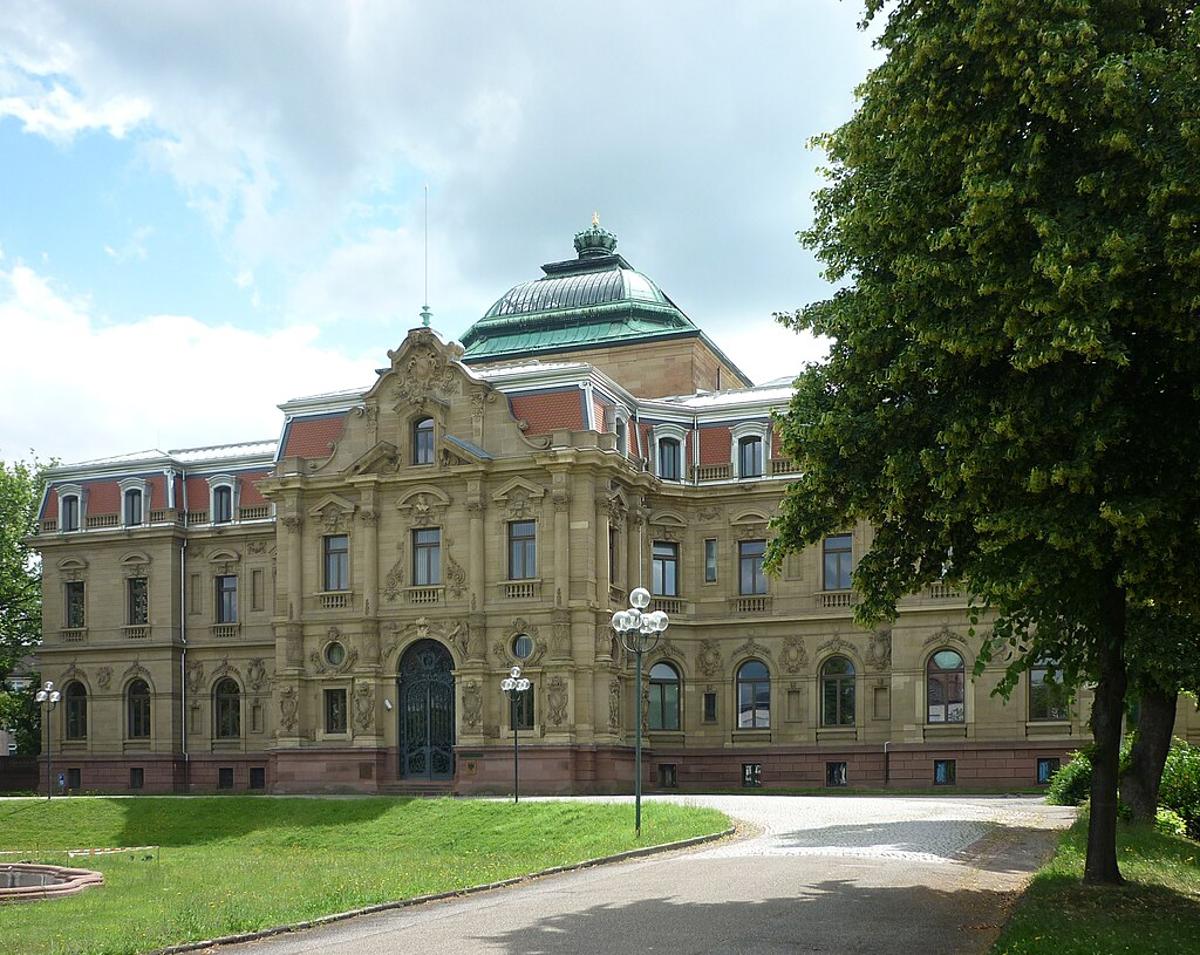
Climate Litigation Before the German Federal Court of Justice – “Too Complex” For Private Law Instruments?
•March 9, 2026
0
Key Takeaways
- •BGH hearing first tort‑law climate case against BMW, Mercedes.
- •Claim relies on §§1004, 823 BGB and general personality right.
- •Court must decide if private law can assign CO2 budgets.
- •Defendants argue climate complexity exceeds civil courts’ competence.
- •Decision may shape future German and international climate litigation.
Summary
On 2 March 2026 the German Federal Court of Justice heard oral arguments in two tort‑law actions brought by the NGO Deutsche Umwelthilfe against BMW and Mercedes‑Benz, seeking injunctions to stop sales of combustion‑engine cars after 2030. The claim invokes §§1004(1) and 823(1) BGB, linking the constitutional “general right to personality” with an alleged “right to greenhouse‑gas‑related freedom” derived from the 2021 constitutional climate judgment. The court must decide whether private courts can allocate CO2‑budget responsibilities and treat manufacturers as “disturbers” under civil law, a question that could set precedent for climate litigation in Germany and beyond. A ruling is expected on 23 March 2026.
Pulse Analysis
Germany’s constitutional climate mandate, anchored in Art. 20a GG and reinforced by the 2021 Bundesverfassungsgericht ruling, has spurred activists to test the reach of private law. By invoking the general right to personality, Deutsche Umwelthilfe attempts to translate a public‑policy objective into a civil‑law injunction, a strategy that mirrors earlier climate suits targeting energy firms. The BGH’s assessment will reveal whether the judiciary is prepared to bridge the gap between constitutional aspirations and tort‑law mechanisms.
The core legal debate hinges on two novel concepts: the extension of the "eingriffsähnliche Vorwirkung" principle to private actors and the classification of car manufacturers as "indirect disturbers" under § 1004 BGB. Plaintiffs argue that, even absent a state‑assigned CO2 quota, scientific attribution can justify individualized emission limits. Defendants counter that such granular budgeting exceeds judicial competence, risks arbitrary enforcement, and undermines the legislative balance of powers. Their emphasis on the systemic nature of climate change underscores the tension between bilateral civil claims and the collective scale of the problem.
If the BGH affirms the plaintiffs’ approach, Germany could see a surge of private‑law climate actions, providing a template for other jurisdictions grappling with similar constitutional commitments. Conversely, a rejection would reinforce the view that climate mitigation remains a legislative and executive domain, limiting private litigation’s role. Either outcome will shape the strategic calculus of NGOs, corporations, and policymakers, influencing how future cross‑border climate liability is framed under both domestic and international law.
Comments
Want to join the conversation?