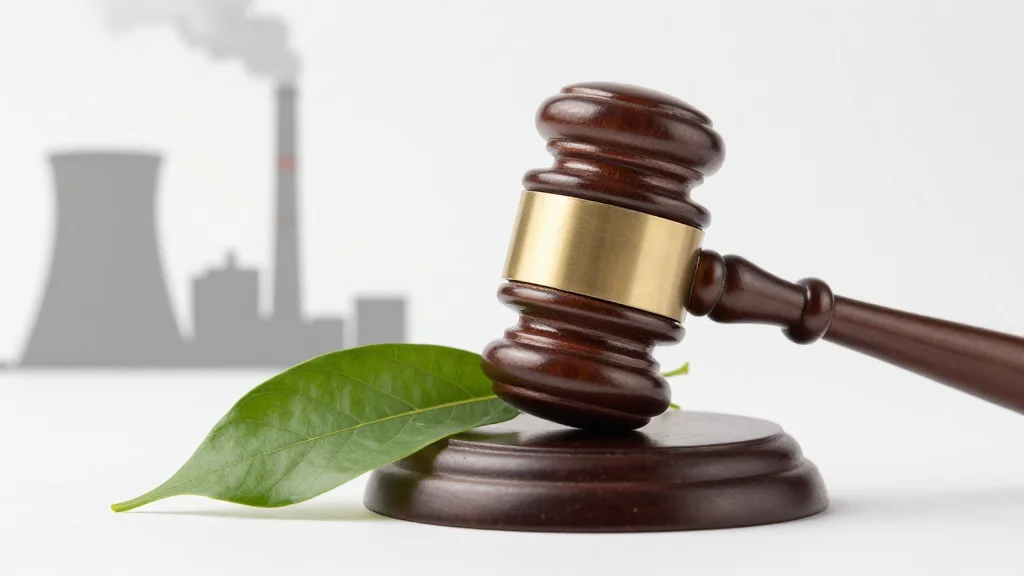
Climate Regulation Rollbacks and the Rise of Nuisance Lawsuits
Why It Matters
The rollback reshapes the regulatory landscape, exposing energy firms to costly state lawsuits and heightening climate‑risk exposure for investors.
Key Takeaways
- •EPA endangerment finding repeal could curtail federal climate oversight
- •States may file nuisance suits against coal plants and pipelines
- •Legal uncertainty raises compliance costs for fossil‑fuel companies
- •Investors watch litigation trends as climate risk metrics evolve
Pulse Analysis
The EPA’s 2009 endangerment finding under the Clean Air Act has been a cornerstone of U.S. climate policy, giving the agency authority to regulate carbon emissions from power plants and other major sources. Recent legislative proposals aim to overturn that finding, arguing that the EPA overstepped its statutory mandate. If successful, the repeal would strip the agency of a critical legal foothold, forcing policymakers to rely on alternative, often weaker, mechanisms to address greenhouse‑gas pollution.
In the absence of a federal enforcement tool, states are poised to fill the gap through nuisance litigation, a strategy that has already surfaced in cases against coal‑fired power plants and oil pipelines. Such lawsuits allege that emissions and spills constitute a public nuisance, allowing local courts to impose damages or operational restrictions. This shift could fragment climate governance, creating a patchwork of legal standards that vary by jurisdiction and increase uncertainty for companies operating across state lines.
For the energy sector and its investors, the emerging legal environment translates into heightened risk and potential cost spikes. Companies may need to allocate resources for litigation defense, settlement negotiations, and enhanced emissions monitoring to pre‑empt state actions. Meanwhile, ESG‑focused investors are likely to reassess exposure, integrating litigation risk into climate‑risk models. The interplay between federal rollback and state‑level lawsuits underscores a broader trend: climate policy is becoming increasingly litigated, and firms that proactively manage these risks will be better positioned in a volatile regulatory landscape.
Climate Regulation Rollbacks and the Rise of Nuisance Lawsuits
Comments
Want to join the conversation?
Loading comments...