Conservation Groups Launch Lawsuit After Trump Admin Reopens Seamounts Monument to Fishing
Why It Matters
The case tests the limits of presidential power over national monuments and could set a precedent for future environmental protections. A ruling in favor of the conservation groups would reinforce legal safeguards for biodiversity hotspots against commercial exploitation.
Key Takeaways
- •Conservation groups sue to block Trump’s reopening of Seamounts monument.
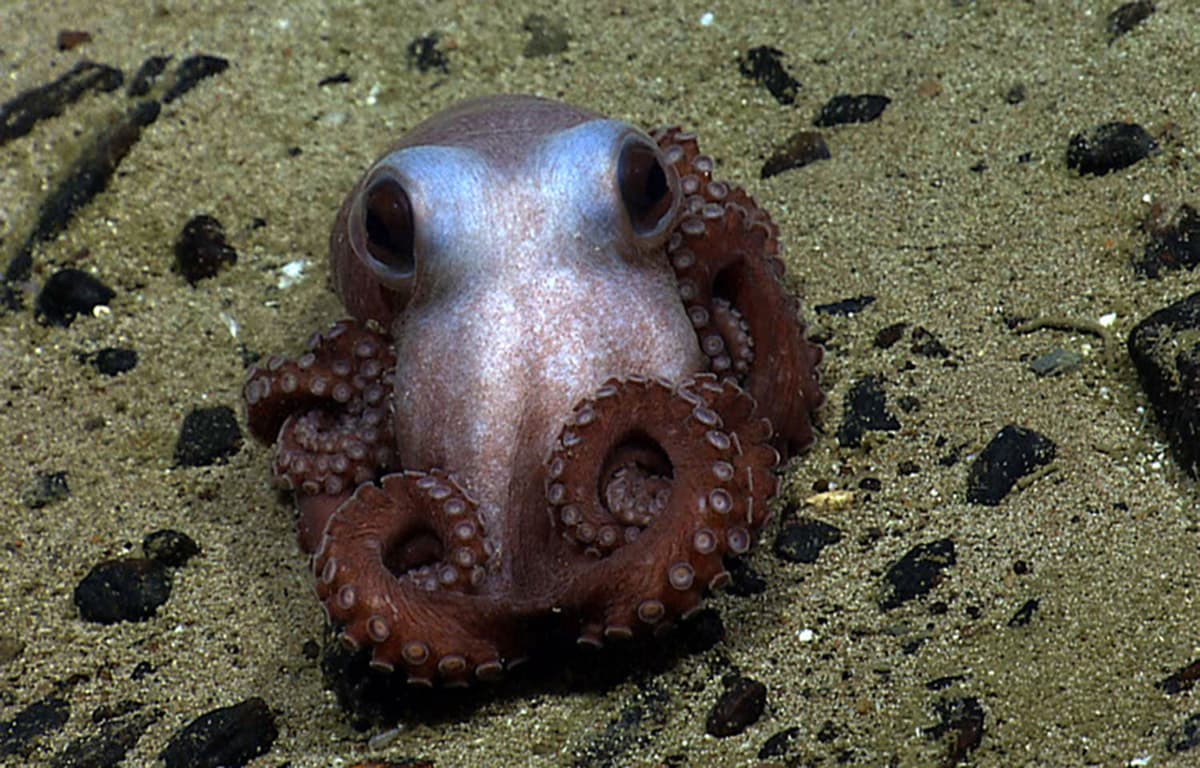
- •Monument’s biodiversity includes cold-water corals, sperm whales, deep‑sea life.
- •2022 study found fishing bans had negligible impact on regional fisheries.
- •Legal challenge argues president lacks authority to diminish prior national monuments.
Pulse Analysis
The Northeast Canyons and Seamounts National Monument, spanning roughly 4,800 square miles off New England’s coast, was designated by President Barack Obama to protect a unique deep‑sea ecosystem. Its protection has become a political flashpoint, with President Trump revoking fishing restrictions in February, marking the fourth policy swing since 2016. The monument’s status illustrates how shifting administrations can dramatically alter the regulatory landscape for marine conservation, prompting stakeholders to turn to the courts to preserve or restore protections.
At the heart of the lawsuit is a constitutional question: whether a president can unilaterally scale back a national monument established under the Antiquities Act. Prior litigation, including challenges to the Bears Ears and Grand Staircase‑Escalante designations, has produced mixed outcomes, leaving the legal boundaries ambiguous. The plaintiffs—Conservation Law Foundation, NRDC, Center for Biological Diversity, and naturalist Zack Klyver—assert that the Antiquities Act grants Congress, not the executive, the power to modify or revoke monuments. A favorable ruling could reinforce judicial oversight of executive actions, limiting future attempts to weaken environmental safeguards.
Beyond legal theory, the dispute carries tangible economic and ecological stakes. A 2022 study by University of Hawai‘i economist John Lynham showed that the fishing ban imposed on the monument had virtually no adverse effect on local squid, butterfish, mackerel, or tuna catches, suggesting that commercial interests may not suffer from continued protection. Conversely, the area serves as a critical habitat for cold‑water corals, sperm whales, and myriad undiscovered species, offering scientific and tourism value. The outcome will shape how policymakers balance short‑term fishing revenues against long‑term ecosystem health and could influence future marine‑protected‑area designations nationwide.
Conservation groups launch lawsuit after Trump admin reopens Seamounts monument to fishing
Comments
Want to join the conversation?
Loading comments...