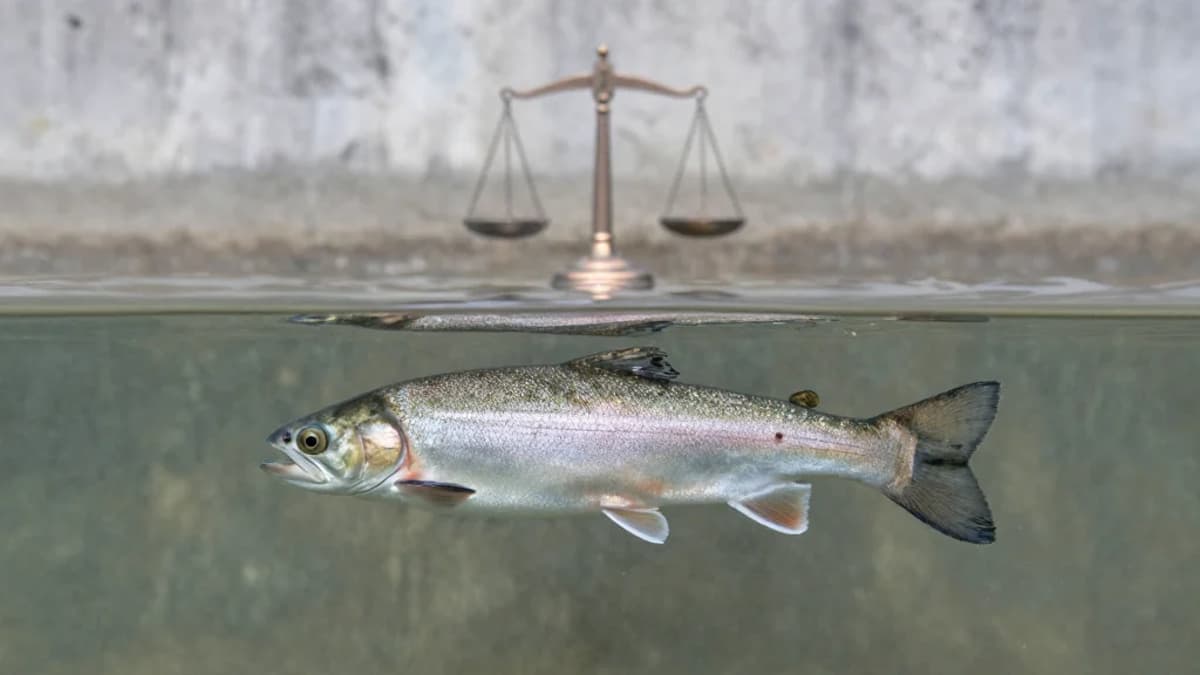
Conservation Groups Sue Feds to Save Fish From California Water Flows
•March 3, 2026
0
Why It Matters
The case could force the nation’s largest water‑delivery system to change operations, protecting endangered California fish and reshaping regional water policy.
Key Takeaways
- •Lawsuit alleges illegal water pumping harming endangered fish
- •Bureau exceeded take limits for steelhead and green sturgeon
- •2024 biological opinion sets restrictions the bureau ignored
- •Increased delta flows risk further species extinction
- •Groups seek court order to enforce ESA compliance
Pulse Analysis
The legal challenge against the Bureau of Reclamation highlights a growing clash between water resource management and wildlife protection in California’s Delta. Under the Endangered Species Act, federal agencies must consult the National Marine Fisheries Service before actions that could imperil listed species. The 2024 biological opinion imposed specific take limits and operational adjustments for the Central Valley Project, yet the lawsuit alleges the bureau routinely exceeded those caps, especially for Central Valley steelhead and North American green sturgeon. This dispute underscores how water‑intensive agriculture and urban supply can conflict with federal conservation mandates, prompting courts to scrutinize compliance.
Beyond the immediate litigation, the case raises broader questions about the sustainability of California’s water infrastructure. The Central Valley Project moves billions of gallons annually from the Delta to the Central Valley, supporting a $50 billion agricultural economy. However, altered flow regimes raise water temperature and salinity, creating hostile conditions for Chinook salmon and other native species. As climate change intensifies drought cycles, pressure to increase water exports may grow, potentially exacerbating habitat degradation. Stakeholders—including the state Department of Water Resources and environmental NGOs—must balance economic needs with the legal obligations to protect biodiversity.
If the court grants the plaintiffs’ request, the bureau could face mandatory operational changes, such as reduced pumping volumes, revised timing, and enhanced monitoring of fish mortality. Such outcomes would set a precedent for how federal water projects are evaluated under the ESA, possibly prompting similar actions in other western states. For water managers, investors, and policy makers, the lawsuit serves as a warning that non‑compliance carries legal and reputational risks, while also offering an opportunity to innovate more fish‑friendly water delivery methods. The evolving legal landscape will likely influence future water‑rights negotiations, infrastructure investments, and conservation strategies across the West.
Conservation groups sue feds to save fish from California water flows
0
Comments
Want to join the conversation?
Loading comments...