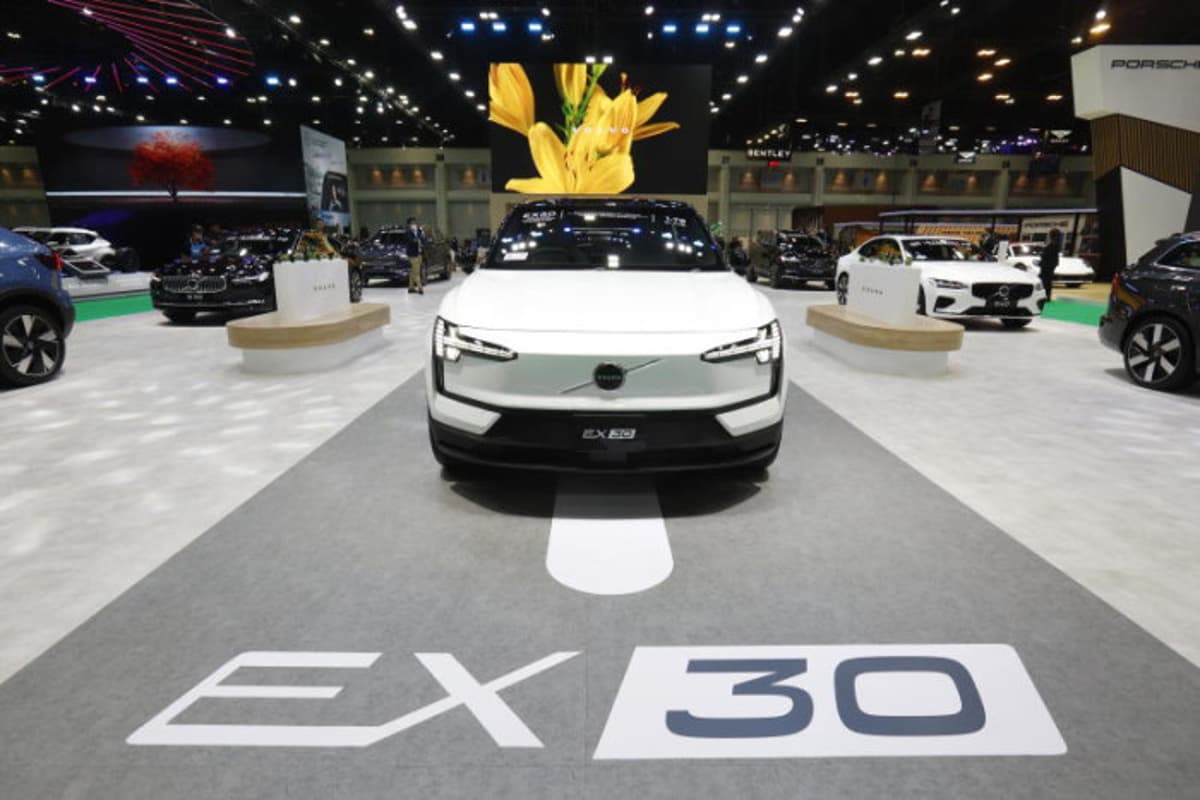
Consumer Watchdog to File Civil Suit Against Volvo Cars' Thai Unit
Companies Mentioned
Why It Matters
The lawsuits underscore growing consumer scrutiny of EV safety and could pressure Volvo to accelerate battery fixes, while signaling tighter regulatory enforcement in emerging markets.
Key Takeaways
- •Thai consumer board files 550 individual lawsuits over EX30 battery fires
- •First case seeks 1.2 million baht (≈$36,750) in damages
- •Volvo recall reduced to 37,802 EX30s after initial 40,323 estimate
- •Battery fires affect under 0.1% of recalled vehicles, Volvo claims
- •Replacement delays blamed on supply issues from the Iran conflict
Pulse Analysis
Volvo’s EX30 recall highlights the challenges automakers face as they scale electric vehicle production. The defect, traced to a battery module that can overheat, prompted a worldwide recall of roughly 38,000 cars—a figure trimmed from an earlier estimate of over 40,000 after further diagnostics. While Volvo reports fire incidents in less than one‑tenth of a percent of affected units, the safety concern has amplified scrutiny from regulators and consumers alike, especially as EV adoption accelerates in Asia.
In Thailand, the Consumer Protection Board’s decision to file 550 separate civil suits marks a decisive step toward holding manufacturers accountable for product safety. By targeting both Volvo’s local subsidiary and its maintenance partner, the board signals that warranty repairs and after‑sales service will also be under the microscope. The initial claim for 1.2 million baht (approximately $36,750) sets a precedent that could encourage other owners to pursue compensation, potentially expanding the legal exposure for Volvo in the region.
The broader implications for the EV industry are significant. Supply chain disruptions—cited by Volvo as stemming from the Iran conflict—have already delayed battery replacements, exposing a vulnerability in the global sourcing of critical components. As regulators worldwide tighten safety standards, manufacturers may need to invest more heavily in quality assurance and faster remediation pathways. For Volvo, swift resolution of the Thai lawsuits and a transparent communication strategy will be essential to preserve brand trust and maintain momentum in its electric vehicle rollout across emerging markets.
Consumer watchdog to file civil suit against Volvo Cars' Thai unit
Comments
Want to join the conversation?
Loading comments...