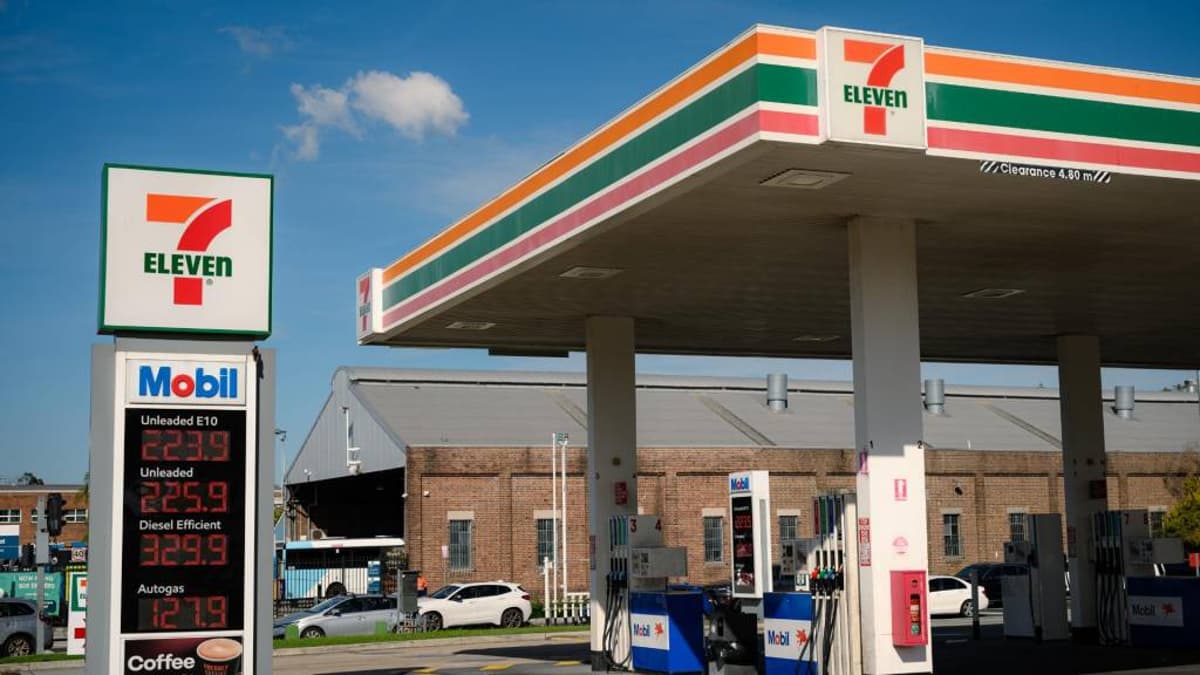
Councils Warn Fair Work Commission Fuel-Cost Order Could Blow Budgets
Companies Mentioned

Why It Matters
Council budgets will be strained, potentially forcing cuts to local services or new taxes, while the ruling underscores growing scrutiny of cost‑shifting practices in supply chains.
Key Takeaways
- •Fuel-cost order stops cost‑shifting to line‑haul trucks
- •Coles and Woolworths must absorb higher fuel expenses
- •Hundreds of Australian councils face budget shortfalls
- •Local services may need additional funding or rate hikes
Pulse Analysis
The Fair Work Commission’s recent ruling targets a long‑standing practice where large retailers off‑load rising fuel expenses onto trucking firms, which then pass them on to downstream users, including local governments. By mandating that Coles, Woolworths and similar buyers shoulder the full cost of fuel, the decision aims to protect the profitability of the line‑haul industry and, indirectly, the reliability of freight services that underpin regional economies. For councils, however, the shift translates into higher operating costs for waste collection, road maintenance and other essential services that depend on contracted truck fleets.
Budgetary implications for municipalities are immediate and significant. Many Australian councils operate on thin margins, and the added fuel expense could erode already constrained capital reserves. This pressure may compel local authorities to explore alternative financing mechanisms, such as modest rate increases, service fees, or reallocating funds from non‑essential projects. The fiscal strain also raises political stakes, as mayors prepare to lobby the federal Treasury and the Albanese administration for targeted subsidies or transitional support to safeguard community services.
The broader context reflects volatile global energy markets, amplified by geopolitical rhetoric such as former President Donald Trump’s recent social‑media comments that sent oil prices higher. As fuel costs remain unpredictable, the ruling highlights the need for more resilient supply‑chain contracts and transparent cost‑allocation frameworks. Stakeholders across retail, logistics, and government sectors are likely to reassess risk‑sharing arrangements, potentially spurring innovations in fuel‑efficiency, alternative energy adoption, and collaborative budgeting models that mitigate future shocks.
Councils warn Fair Work Commission fuel-cost order could blow budgets
Comments
Want to join the conversation?
Loading comments...