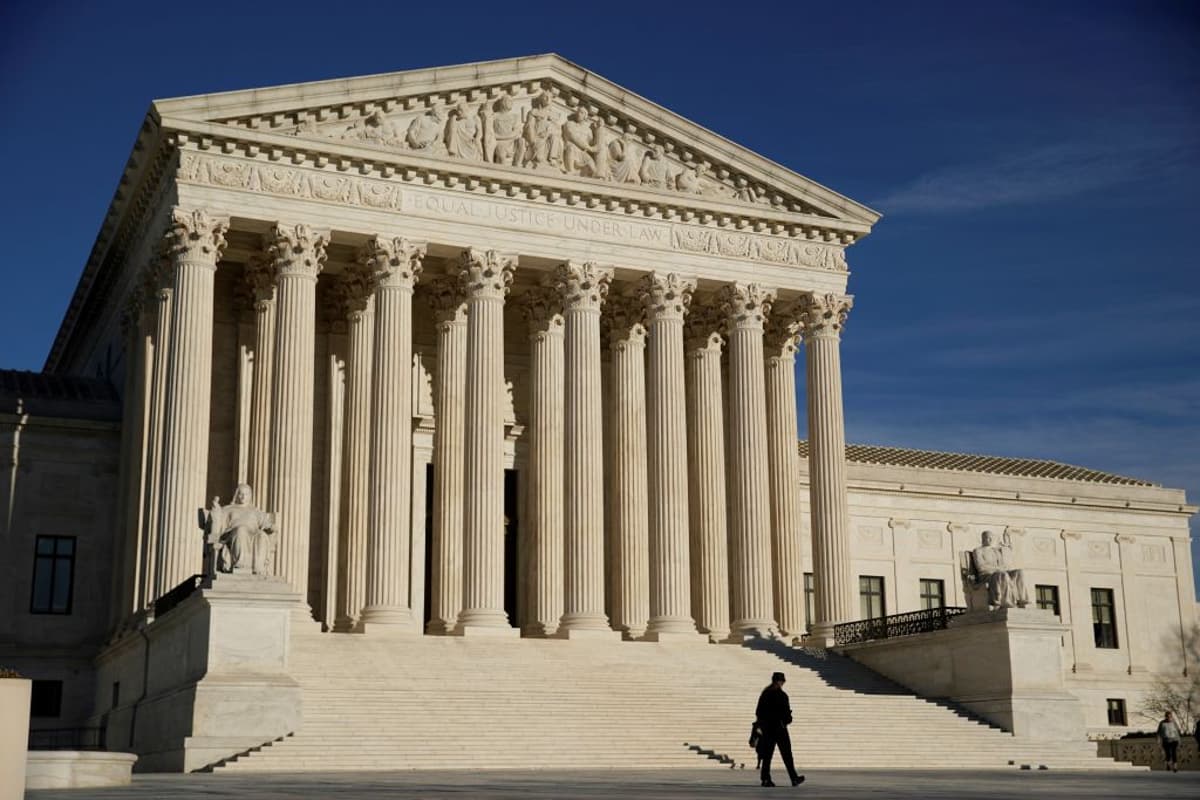
Court Turns Down Several Cases, Including on Filing Fees for Indigent Prisoners and Ability of Felons to Possess Guns
Key Takeaways
- •Supreme Court denied review of indigent prisoner filing‑fee case.
- •Split decision: Kagan would grant; Sotomayor dissented.
- •Lower courts’ fee rule remains, burdening poor inmates.
- •Court also rejected felon gun‑possession challenges.
- •No new cases added to 2026‑27 docket.
Pulse Analysis
The Supreme Court’s latest order list underscores its continued discretion in shaping the federal docket. By refusing to hear Johnson v. High Desert State Prison, the justices left the Ninth Circuit’s interpretation of the Prison Litigation Reform Act untouched, meaning each indigent inmate must still shoulder a full $350 filing fee when suing jointly. Justice Kagan’s silent vote to grant review and Justice Sotomayor’s robust dissent reveal a split on whether the statute mandates fee‑splitting, a question that directly affects the ability of incarcerated plaintiffs to pursue civil rights claims without prohibitive costs.
Equally notable is the Court’s dismissal of multiple petitions challenging the federal ban on firearm possession by convicted felons. The denial preserves the status quo established by prior rulings, keeping felons barred from owning guns despite ongoing debates over Second‑Amendment scope. The Court also sidestepped cases involving assault‑rifle bans, large‑capacity magazines, and a range of other issues—from baseball’s antitrust exemption to Alabama’s begging ban—signaling a selective approach that prioritizes certain constitutional questions while leaving others unresolved.
These refusals reflect a broader strategic restraint as the Court prepares its 2026‑27 term. By not adding new cases, the justices limit the volume of contentious litigation and signal that only matters with clear circuit splits or pressing national importance will rise to the Supreme Court. For litigants, the outcomes mean continued reliance on appellate courts to interpret statutes like the PLRA and the Gun Control Act. Observers should watch upcoming conference dates, as any shift in the Court’s willingness to intervene could reshape access to justice for prisoners and the legal landscape of gun‑rights jurisprudence.
Court turns down several cases, including on filing fees for indigent prisoners and ability of felons to possess guns
Comments
Want to join the conversation?