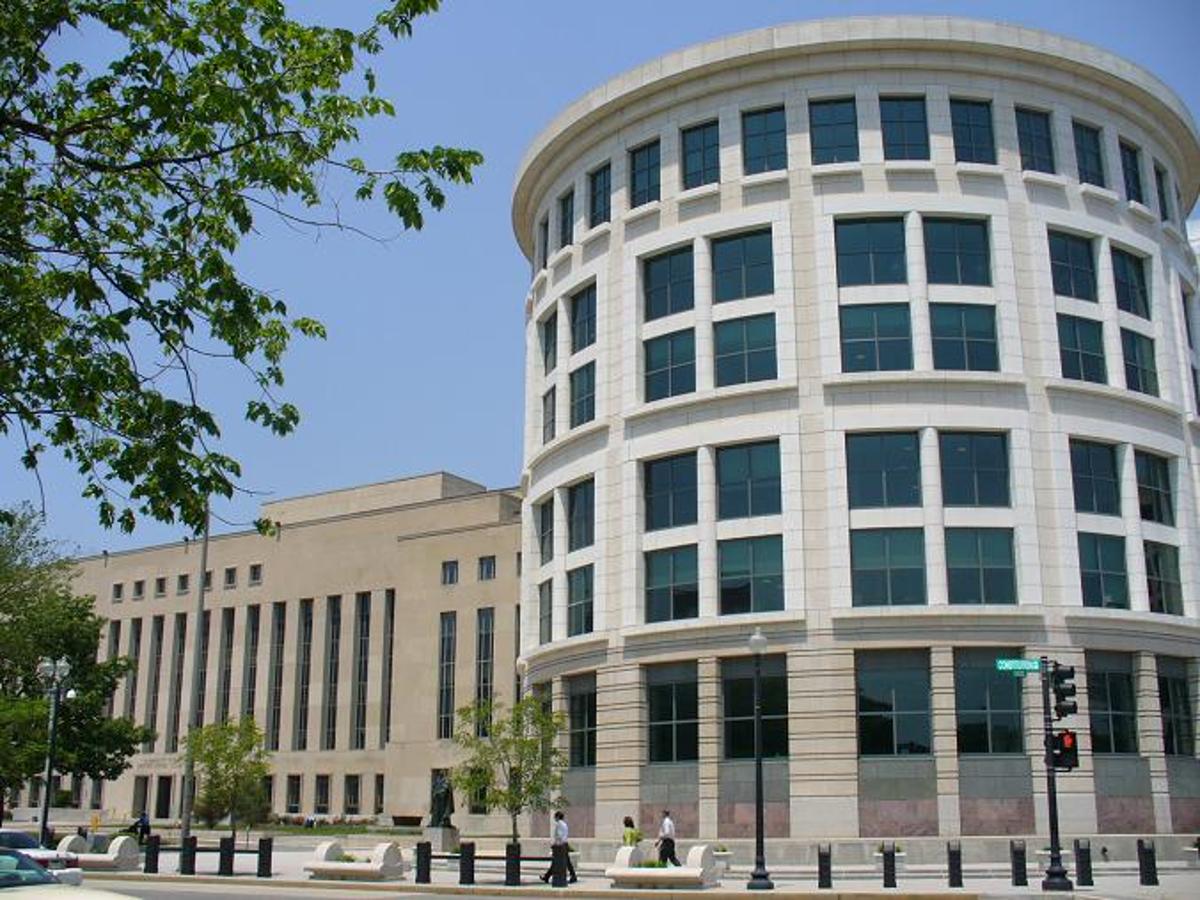
D.C. Circuit Orders FCC to Answer News Distortion Repeal Bid
Why It Matters
The decision will shape the FCC’s authority over content standards, influencing broadcasters’ compliance costs and the broader free‑speech debate in U.S. media.
Key Takeaways
- •D.C. Circuit set 30‑day deadline for FCC response
- •Mandamus petition seeks repeal of FCC's news distortion rule
- •Former commissioners, from both parties, initiated the repeal request
- •Outcome could alter how broadcasters handle misinformation
Pulse Analysis
The FCC’s news‑distortion policy, introduced in 2023, required broadcasters to air corrections or counter‑arguments when a third party alleged that a news segment was misleading. Proponents argued it would curb misinformation and protect the public interest, while critics warned it could impose editorial burdens and chill speech. Since its rollout, the rule has sparked lawsuits and intense lobbying from both media companies and free‑speech advocates, making it a flashpoint in the ongoing debate over how much the government should intervene in broadcast content.
In November, a group of former FCC commissioners—four Republicans and three Democrats—filed a mandamus petition asking a federal court to compel the agency to repeal the rule. The D.C. Circuit’s recent order granting the petition a 30‑day response window escalates the dispute, signaling that the judiciary is willing to scrutinize the FCC’s procedural justifications. A mandamus action is rare in communications law, underscoring the petitioners’ belief that the agency has overstepped its statutory authority and failed to provide a reasoned explanation for the policy’s continuation.
The stakes extend beyond regulatory compliance. If the FCC maintains the rule, broadcasters will need to allocate resources for real‑time fact‑checking and potentially air corrective content, affecting programming schedules and advertising revenue. Conversely, a repeal could embolden networks to adopt their own editorial standards, shifting the responsibility for misinformation mitigation back to the private sector. Stakeholders across the media ecosystem are watching closely, as the outcome will influence future FCC rulemaking, set precedents for content‑related governance, and shape the balance between public‑interest obligations and First‑Amendment protections.
D.C. Circuit Orders FCC to Answer News Distortion Repeal Bid
Comments
Want to join the conversation?
Loading comments...