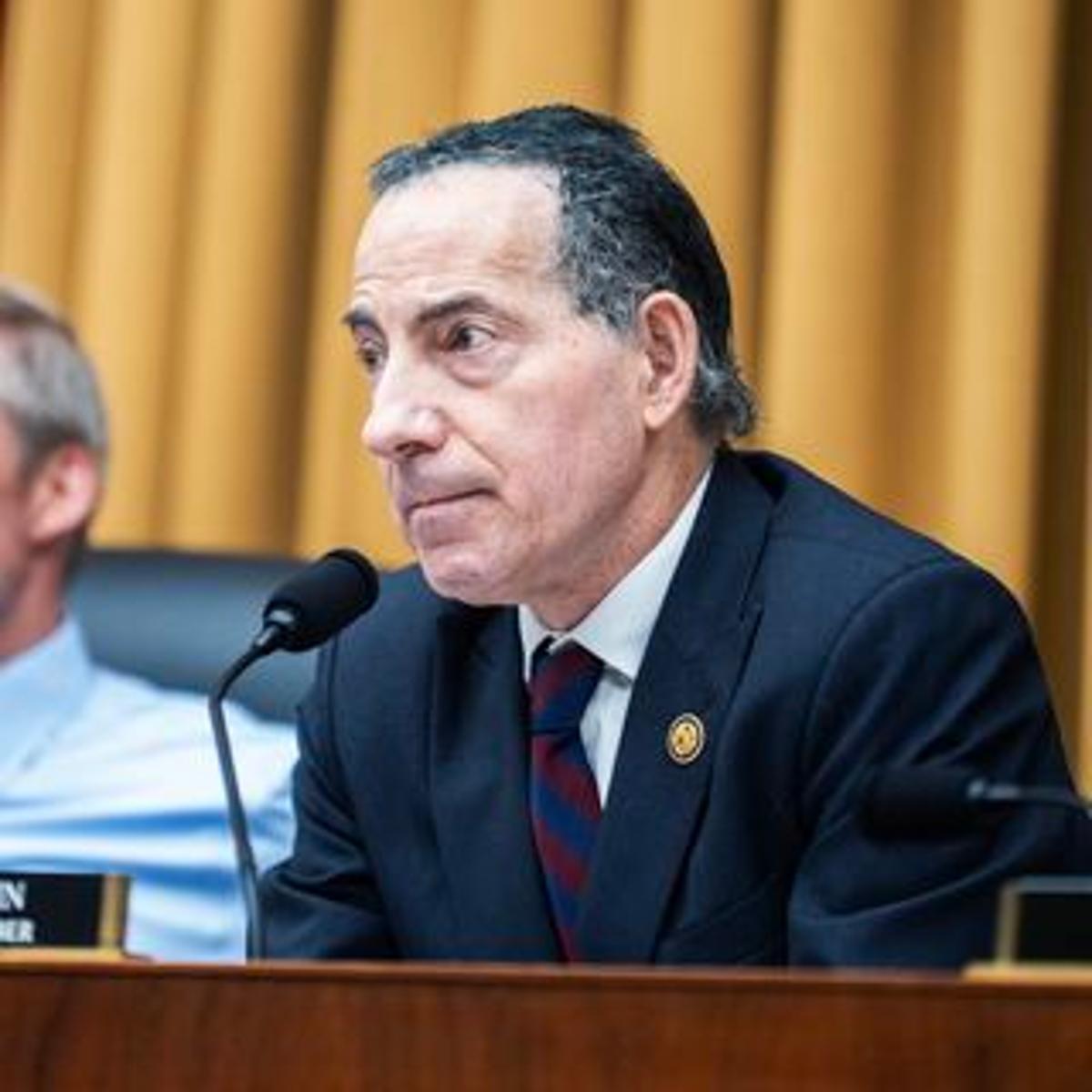
Democrats Move to Shut Down Trump's $1.8 Billion "Anti-Weaponization" Fund
Why It Matters
Shutting the fund curtails a taxpayer‑backed payout mechanism that could legitimize politically charged compensation claims, signaling congressional oversight of executive‑driven financial instruments. It also tests bipartisan willingness to limit DOJ spending on controversial litigation settlements.
Key Takeaways
- •Raskin's bill bans any federal money for the Anti-Weaponization Fund.
- •Fund stems from a $1.8 billion settlement after Trump sued the IRS.
- •GOP Rep. Brian Fitzpatrick pledged to “try to kill” the legislation.
- •Raskin may use a discharge petition if leadership blocks the vote.
Pulse Analysis
The proposed legislation arrives at a volatile moment in Washington, where the legacy of former President Donald Trump continues to shape policy debates. The $1.8 billion Anti-Weaponization Fund originated from a settlement after Trump sued the Internal Revenue Service over alleged leaks of his tax returns. Designed to reimburse individuals who allege "lawfare"—politically motivated prosecutions—the fund could have opened a pipeline of federal payouts to a broad array of claimants, from Jan. 6 defendants to other political activists. By targeting this fund, lawmakers are confronting a novel financial instrument that blurs the line between settlement compensation and political patronage.
Strategically, Rep. Jamie Raskin is leveraging both legislative and procedural tools. While the bill directly bars any federal appropriation for the fund, Raskin has signaled readiness to file a discharge petition, a rare maneuver that forces a vote despite leadership opposition. Republican Rep. Brian Fitzpatrick has already announced his intent to "try to kill" the measure, underscoring the bipartisan stakes. The interplay between a discharge petition and potential GOP resistance highlights the procedural gymnastics often required to advance contentious reforms in a narrowly divided House.
If successful, the ban would set a precedent limiting the Department of Justice's ability to allocate taxpayer money for politically sensitive compensation schemes. It would also send a clear message that Congress will scrutinize and potentially veto executive‑driven financial mechanisms that could be perceived as rewarding partisan grievances. Beyond the immediate fiscal impact, the effort could reshape how future settlements involving high‑profile political figures are structured, reinforcing a more cautious approach to using public funds for litigation outcomes tied to partisan narratives.
Democrats move to shut down Trump's $1.8 billion "anti-weaponization" fund
Comments
Want to join the conversation?
Loading comments...