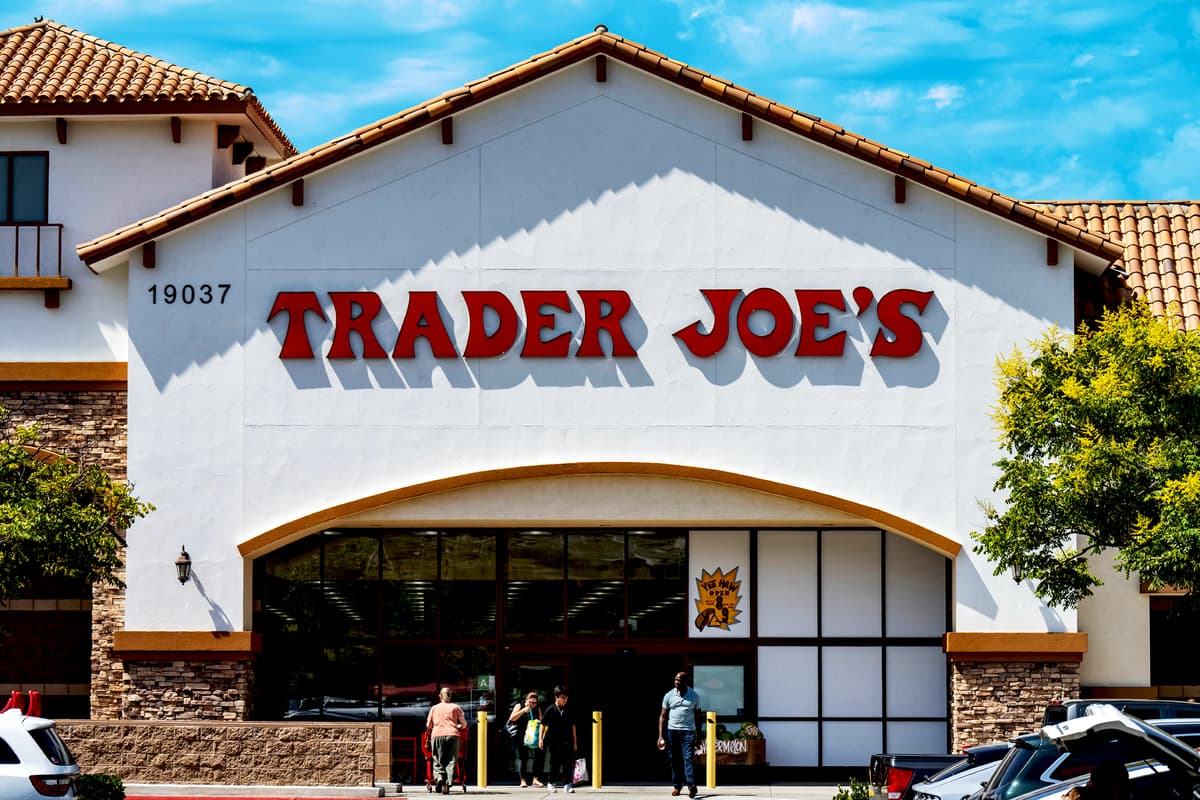
Did You Shop at Trader Joe’s in 2019? You Might Be Owed Money From a Class Action Settlement.
Why It Matters
The settlement highlights growing regulatory scrutiny of retail data‑privacy practices and underscores the financial risk retailers face when receipt printing exposes sensitive card details.
Key Takeaways
- •Trader Joe’s settlement totals $7.4 million for receipt data breach
- •Affected purchases occurred March 5–July 19 2019
- •Eligible claimants may receive about $102.45 each
- •Claims due by June 6 2026 via settlement website
- •Insurer opted to settle, avoiding prolonged litigation
Pulse Analysis
Retailers have long printed partial card numbers on receipts to aid returns, but the practice can cross a legal line when too many digits are displayed. Under the Fair Credit Billing Act and related regulations, exposing the first six and last four digits creates a viable vector for identity theft, prompting the Federal Trade Commission to scrutinize such disclosures. Trader Joe’s incident illustrates how even a brief lapse—spanning just four months in 2019—can trigger a nationwide class action, forcing companies to reassess receipt‑printing software and employee training.
The legal landscape for data‑privacy breaches has evolved, with class actions increasingly used to enforce compliance without requiring proof of actual theft. In this case, the insurer evaluated the cost of defending a multi‑state lawsuit against the $7.4 million settlement and opted for the latter, a common risk‑management strategy. The settlement also serves as a cautionary tale for other grocery chains and merchants, emphasizing that insurers may pressure companies to settle quickly to limit exposure, even when the plaintiff’s damages are speculative.
For consumers, the settlement offers a modest payout—about $102.45 per eligible shopper—but more importantly, it raises awareness of personal data protection. Shoppers should retain receipts, review them for over‑exposed card numbers, and promptly submit claims using the class ID or card details. The broader implication is a push toward tokenized receipts or QR‑code alternatives that hide sensitive information, a trend likely to accelerate as retailers aim to avoid future litigation and preserve consumer trust.
Did You Shop at Trader Joe’s in 2019? You Might Be Owed Money From a Class Action Settlement.
Comments
Want to join the conversation?
Loading comments...