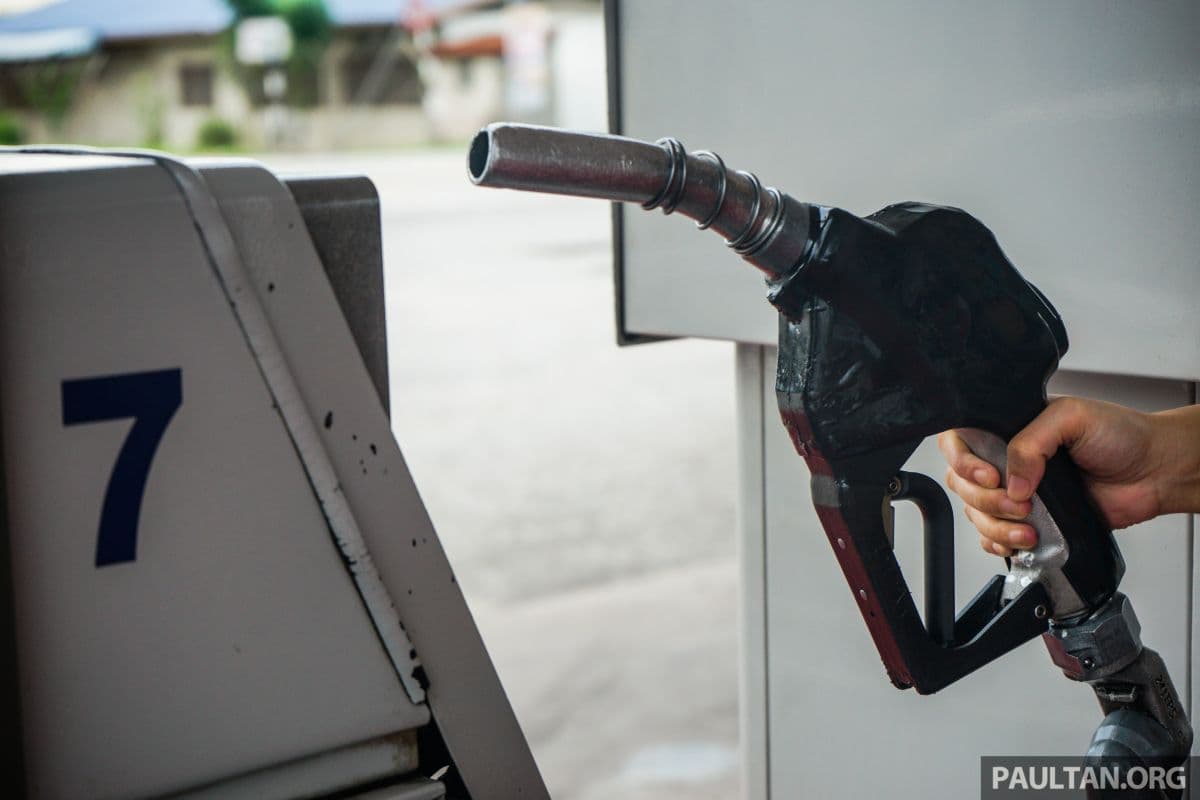
Diesel Fleet Card Abuse – Home Ministry Proposes Court Prosecution Instead of Compounds
Why It Matters
Treating fleet‑card abuse as a criminal offense signals tougher enforcement and protects a multi‑hundred‑million‑dollar subsidy from further erosion, impacting both government finances and fuel market integrity.
Key Takeaways
- •Court prosecution replaces compound settlements for diesel card abuse
- •Police maintain checkpoints at high‑risk stations near borders
- •Revoking fleet card rights aims to deter large‑scale fuel theft
- •Subsidised diesel cost roughly $480 million monthly, highlighting fiscal risk
Pulse Analysis
The Malaysian government’s decision to shift diesel fleet‑card abuse cases from administrative compounds to criminal prosecution marks a significant policy pivot. By treating the illicit diversion of subsidised fuel as a felony, authorities aim to deter organized syndicates that exploit the RM2.15‑per‑litre price advantage. This approach aligns with broader anti‑corruption drives and reflects growing public pressure to safeguard the Subsidised Diesel Control Scheme, which now costs roughly $480 million each month. The legal escalation also sends a clear message to fleet‑card holders that misuse will trigger swift, severe consequences.
Enforcement on the ground has already intensified. Police have stationed officers at high‑risk petrol stations, especially near border crossings, to intercept illegal transactions. The recent Kedah bust demonstrated how cardholders hand over their credentials to middlemen who then sell the fuel at market rates, siphoning off substantial government subsidies. Continued checkpoint operations are expected to persist until the ministry reports a measurable decline in leakage. Such visible policing not only curtails immediate losses but also builds a deterrent effect across the broader logistics and transport sectors.
Financially, the stakes are considerable. With the monthly allocation for the Subsidised Diesel Control Scheme climbing to RM2.2 billion (about $480 million), any unchecked abuse erodes public resources that could fund other critical services. The proposed revocation of fleet‑card privileges adds an administrative layer to the criminal framework, ensuring that repeat offenders lose access entirely. This dual‑track strategy—combining legal prosecution with immediate revocation—could serve as a model for other subsidy‑dependent economies grappling with similar fraud schemes, reinforcing fiscal discipline while preserving essential fuel support for legitimate users.
Diesel fleet card abuse – home ministry proposes court prosecution instead of compounds
Comments
Want to join the conversation?
Loading comments...