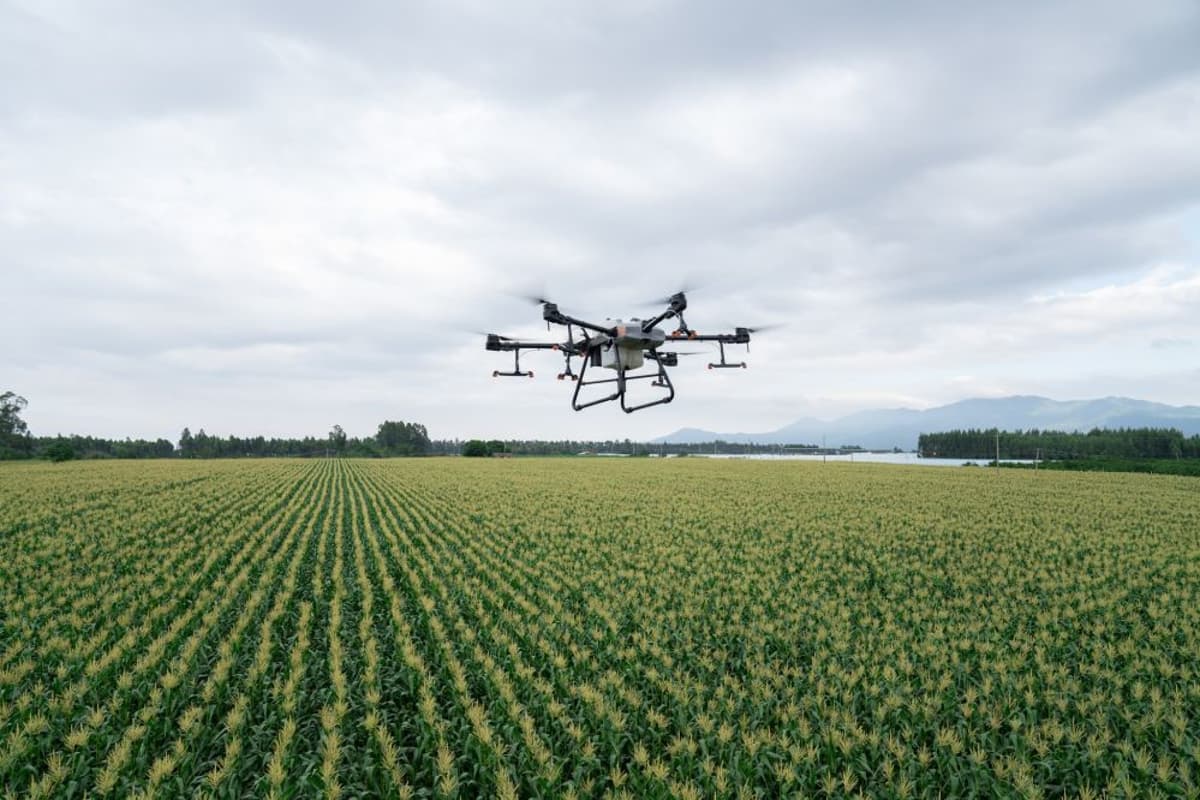
DJI Appeal Sets Stage for Legal Showdown over Future of US Ag Spray Drone Market
•February 24, 2026
0
Why It Matters
The outcome will determine whether the U.S. agricultural drone market remains dominated by overseas technology or shifts toward a domestically sourced supply chain, directly affecting farm productivity and national‑security policy.
Key Takeaways
- •FCC ruling blocks new foreign‑made drone authorizations.
- •DJI's US sales fell 59% in 2025.
- •Domestic drone makers see rapid market share growth.
- •Legal appeal challenges FCC’s statutory authority.
- •Farmers risk slower innovation and higher costs.
Pulse Analysis
The FCC’s December 22 decision marked an unprecedented intervention in the commercial drone sector, adding every new foreign‑manufactured UAV and its key components to a covered list deemed a national‑security risk. While the agency cited supply‑chain vulnerabilities, the rule instantly stripped FCC authorization from future imports, leaving only legacy models approved before the cutoff. For a market where Chinese firms, especially DJI, supplied over 80% of agricultural spray drones, the ruling created an immediate supply shock, driving sales down nearly 60% and prompting U.S. customs to block shipments on forced‑labor allegations.
DJI’s appeal to the Ninth Circuit focuses on procedural deficiencies and constitutional claims. The company contends the FCC failed to demonstrate a concrete security threat, bypassed required statutory assessments, and denied DJI a fair opportunity to rebut allegations, violating the Fifth Amendment’s due‑process guarantee. If the court overturns the ruling, DJI could resume introducing next‑generation platforms, preserving its technological edge. Conversely, an upheld decision would cement a legal precedent empowering regulators to restrict foreign tech based on broad security judgments, reshaping the competitive landscape for all non‑U.S. UAV manufacturers.
Regardless of the legal outcome, the ruling has accelerated a strategic pivot toward domestic drone production. Start‑ups and established firms are repurposing automotive and aerospace facilities to assemble U.S.-made spray drones, while software firms develop on‑shore flight‑control systems to keep data within national borders. This shift promises greater supply chain resilience but may also slow the rollout of advanced sensors like LiDAR, potentially widening the productivity gap between American farms and global competitors. Investors and policymakers will watch the appeal closely, as its resolution will influence capital allocation, regulatory frameworks, and the long‑term viability of U.S. precision‑ag technology.
DJI appeal sets stage for legal showdown over future of US ag spray drone market
0
Comments
Want to join the conversation?
Loading comments...