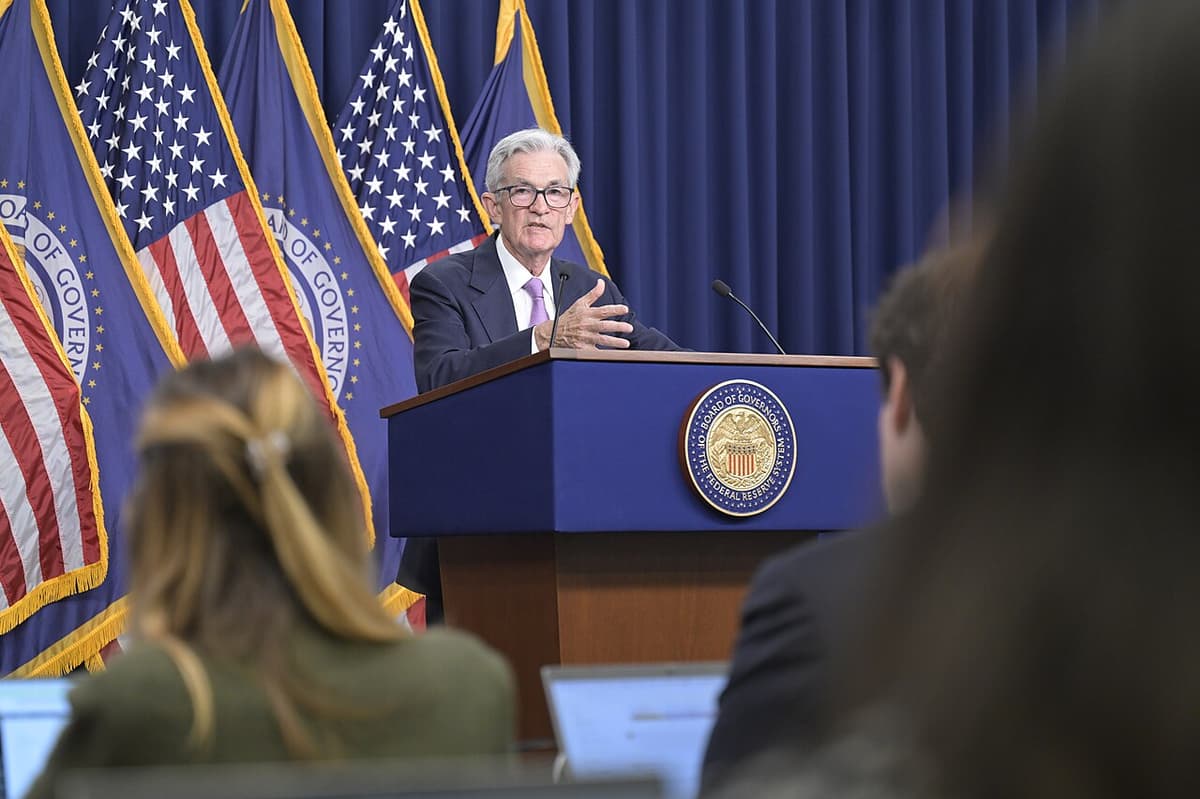
DOJ Drops Criminal Investigation of Fed Chair Jerome Powell, Refers Matter to Inspector General
Why It Matters
Ending the DOJ probe clears a political cloud over the Federal Reserve, preserving its operational independence and smoothing the path for a key leadership transition. It also signals that oversight of the Fed’s massive capital projects will now rely on internal audit mechanisms rather than criminal prosecution.
Key Takeaways
- •DOJ ends criminal probe, refers case to Fed Inspector General
- •Investigation focused on Powell’s testimony about $2.46 B renovation overruns
- •Senate confirmation of Kevin Warsh cleared after probe’s closure
- •Inspector General audit found no fraud, only management issues
- •Powell and Yellen call probe politically motivated, citing Fed independence
Pulse Analysis
The Justice Department’s decision to drop the criminal inquiry into Fed Chair Jerome Powell marks a rare de‑escalation of a high‑profile clash between the executive branch and the nation’s central bank. The investigation stemmed from Powell’s June testimony before the Senate Banking Committee, where he denied any luxury features in the $2.46 billion headquarters renovation. Critics pointed to planning documents that referenced private dining rooms and a dedicated governor’s elevator, raising questions under 18 U.S.C. § 1001, which criminalizes false statements to Congress. By referring the matter to the Federal Reserve’s Inspector General, the DOJ is shifting oversight to an internal, independent audit function that previously reported only management deficiencies, not fraud.
Politically, the closure eases pressure on the Fed’s perceived independence—a cornerstone of monetary policy credibility. Both Powell and former Treasury Secretary Janet Yellen framed the probe as a partisan effort to undermine the central bank, while congressional Republicans, led by Rep. Anna Paulina Luna, argued that accountability required a criminal referral. The timing also unblocks the Senate’s confirmation of Kevin Warsh, Trump’s pick to succeed Powell, after Senator Thom Tillis had threatened to withhold support until the investigation was dismissed. With the legal obstacle removed, the Banking Committee can focus on Warsh’s qualifications rather than the lingering controversy.
Looking ahead, the Inspector General’s review will determine whether any administrative reforms are needed for the Fed’s capital projects, but the door remains open for a renewed criminal probe if new evidence emerges. The DOJ’s statement that it “will not hesitate to restart” the investigation underscores the delicate balance between political oversight and central‑bank autonomy. For market participants, the resolution reduces uncertainty around Fed leadership and reinforces confidence that the institution can operate without ongoing legal distractions, a factor that can influence interest‑rate expectations and broader financial stability.
DOJ drops criminal investigation of Fed Chair Jerome Powell, refers matter to Inspector General
Comments
Want to join the conversation?
Loading comments...