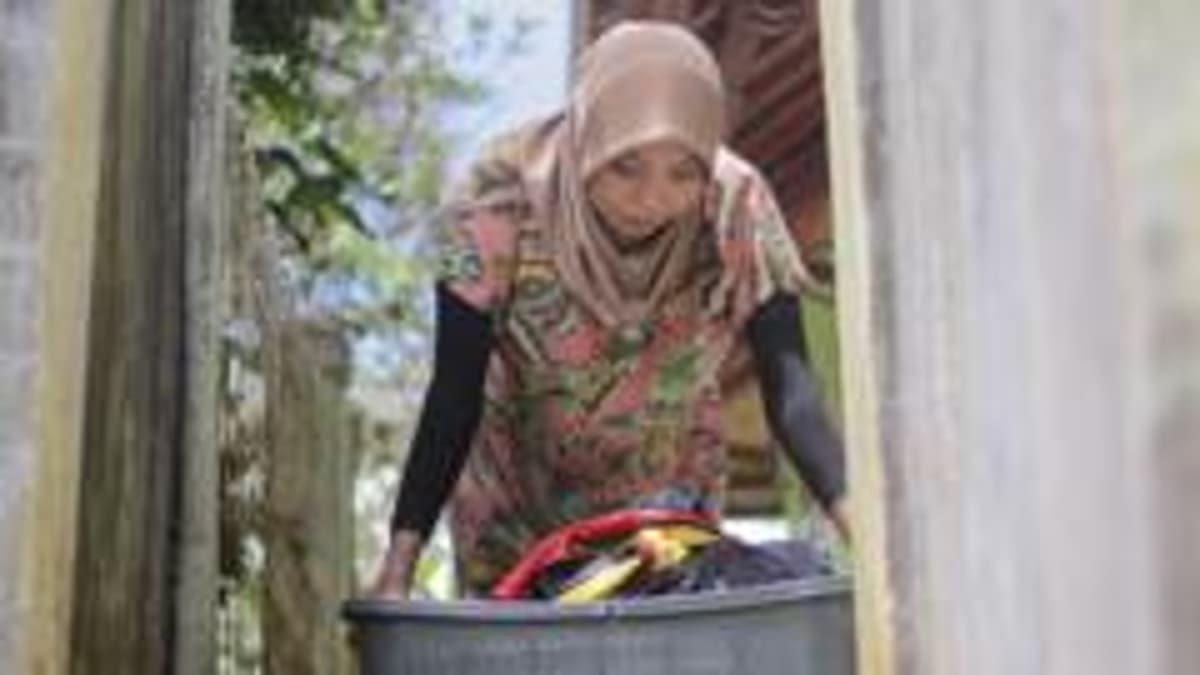
Domestic Workers Legally Recognised in Indonesia After '22-Year Struggle'
Why It Matters
The law transforms a massive informal workforce into a protected labor segment, boosting social security and gender equity while setting a regional benchmark for domestic worker rights.
Key Takeaways
- •Law covers 4.2 million domestic workers, 90% women
- •Entitles workers to health insurance, rest days, pension benefits
- •Bans wage deductions and child domestic labor under 18
- •Agencies must comply; regulators have one year for guidelines
- •Rights groups urge employer education and stronger enforcement
Pulse Analysis
Indonesia’s domestic workforce has long operated in the shadows of the formal economy. With an estimated 4.2 million workers—most of them women—employed without contracts, the sector contributed significantly to household income but offered little legal protection. Prior attempts to legislate rights stalled for years, leaving many vulnerable to exploitation, low wages, and even child labor. The new Domestic Workers Protection Law finally acknowledges this hidden labor pool, aligning Indonesia with international labor standards and addressing a critical gap in its social safety net.
The law introduces concrete benefits: mandatory health insurance, a minimum of one rest day per week, and pension accrual for domestic employees. It also prohibits placement agencies from deducting wages and bans the employment of minors under 18, tackling two of the most egregious abuses reported in recent years. Regulators have been given a 12‑month window to draft detailed implementation guidelines, a period that will test the government’s capacity to translate policy into practice. Enforcement mechanisms, monitoring frameworks, and dispute‑resolution channels will be essential to ensure that the promised protections reach the workers who need them most.
Beyond immediate worker welfare, the legislation carries broader economic and social implications. Formalizing domestic work can increase tax revenues, improve data collection on informal employment, and stimulate demand for related services such as training and insurance. For women, the law represents a step toward greater gender equity, recognizing their contribution to the economy and providing a pathway out of precarious labor conditions. Regional observers note that Indonesia’s move may inspire similar reforms across Southeast Asia, where domestic work remains largely unregulated. However, success will hinge on robust enforcement, public‑education campaigns, and continued advocacy from NGOs to keep the momentum alive.
Domestic workers legally recognised in Indonesia after '22-year struggle'
Comments
Want to join the conversation?
Loading comments...