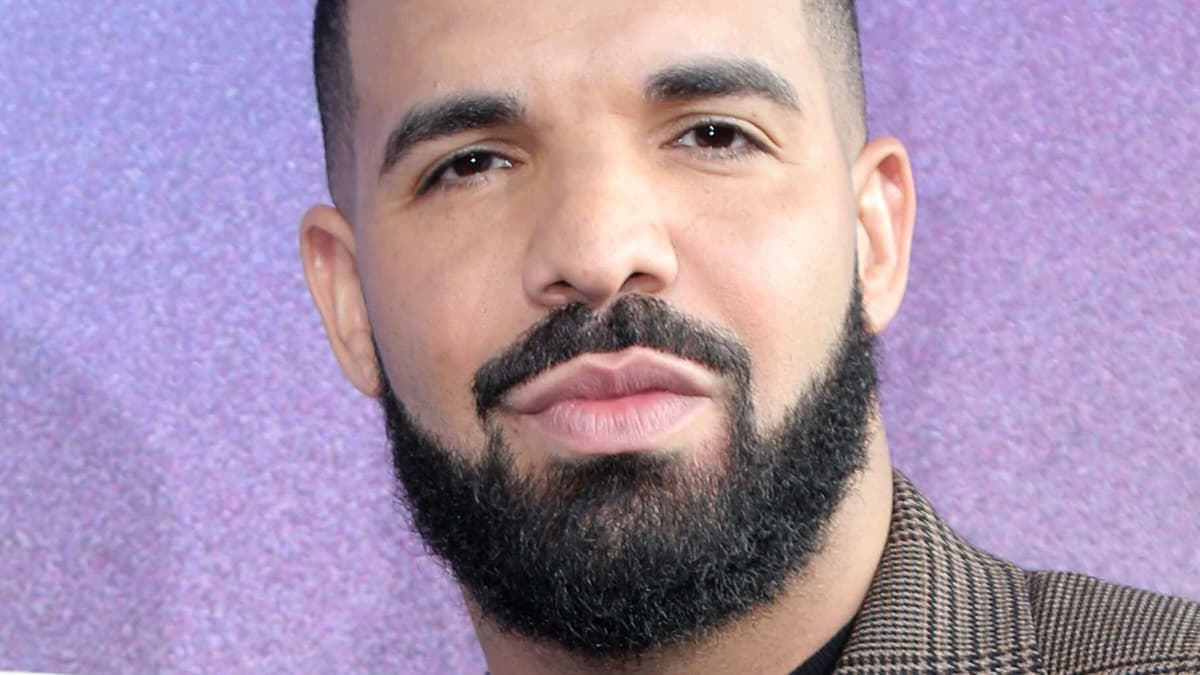
Drake Pushes Back on UMG at Appeals Court, Says Judge Improperly Dismissed ‘Not Like Us’ Case
Why It Matters
The ruling could reshape how defamation law treats rap diss tracks, influencing both artistic expression and record‑label liability across the music industry.
Key Takeaways
- •Drake alleges judge used outside materials, violating pleading rules.
- •Amicus briefs defend UMG, arguing defamation claim threatens rap genre.
- •Song streamed 96 million times first week vs. 3.65 billion Super Bowl views.
- •Appeal seeks to overturn categorical rule that diss tracks are non-actionable.
- •Outcome may set precedent for First Amendment defenses in music.
Pulse Analysis
The intersection of defamation law and hip‑hop has long been a gray area, with courts typically shielding lyrical battles under the First Amendment’s opinion protection. Yet Drake’s case pushes the boundary by alleging that specific factual assertions—namely pedophilia accusations—were presented as fact rather than artistic hyperbole. If the appellate court finds the district judge’s reliance on extraneous material improper, it could carve out a narrower safe‑harbor for rap artists, prompting labels and songwriters to scrutinize lyrical content more closely.
Drake’s appeal follows a procedural saga that began with a January 2026 filing, a October 2025 dismissal, and now a Second Circuit reply brief. His lawyers argue that Judge Vargas improperly treated the track as a blanket opinion, ignoring the plaintiff’s detailed factual allegations and the context of a broader rap feud. The brief also highlights the court’s use of a separate, short‑lived freestyle as evidence—material never cited in the complaint—claiming this violated pleading standards and denied Drake a fair chance to contest the inferences. Amicus support for UMG underscores the industry’s fear that overturning the dismissal could open floodgates for lawsuits targeting lyrical content.
The stakes extend beyond a single lawsuit. A decision that allows defamation claims to proceed against diss tracks would force artists, producers, and record companies to reassess risk management, potentially leading to pre‑emptive content reviews and altered creative processes. Conversely, upholding the dismissal would reinforce robust First Amendment protections for musical expression, preserving the genre’s competitive edge. Stakeholders across entertainment law, music publishing, and digital streaming will be watching closely, as the outcome may set a national precedent for how courts balance free speech with reputational harms in the age of viral music.
Drake pushes back on UMG at appeals court, says judge improperly dismissed ‘Not Like Us’ case
Comments
Want to join the conversation?
Loading comments...