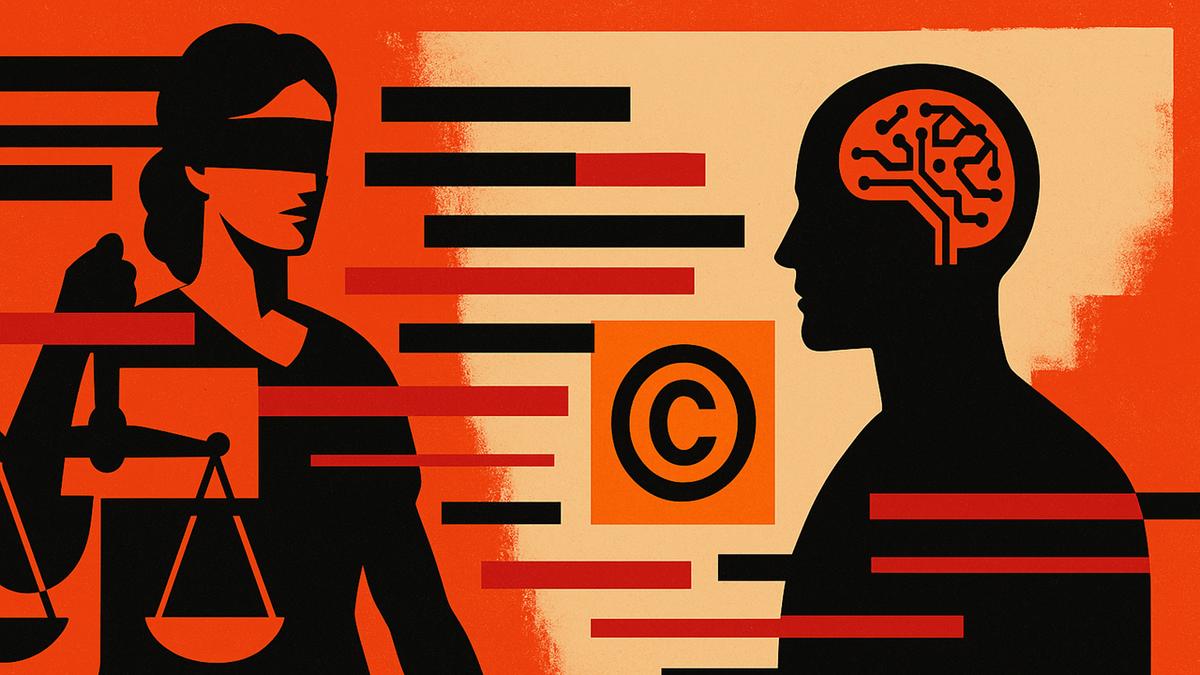
Each Side Claims the Same Recent Ruling Supports Its Position in Thomson Reuters V. ROSS Appeal
Key Takeaways
- •UpCodes ruling deemed fair use for publishing incorporated standards
- •ROSS claims UpCodes supports reversal of district court decision
- •Thomson Reuters argues UpCodes does not apply to AI training
- •Outcome will shape AI training data copyright landscape
- •Fair‑use analysis hinges on purpose, market harm, and transformation
Pulse Analysis
The 3rd Circuit’s request for supplemental briefing underscores the growing clash between traditional legal publishers and AI‑driven research tools. By invoking the *UpCodes* decision—where the court found the publication of standards incorporated by reference into law to be fair use—both Thomson Reuters and ROSS are testing the boundaries of that precedent. ROSS frames its AI model training as a transformative act akin to disseminating public law, arguing that the purpose‑and‑character factor should focus on objective public‑access benefits rather than commercial intent.
Thomson Reuters, however, stresses the factual distinctions that limit *UpCodes*’ applicability. The publisher points out that Westlaw’s headnotes are original editorial works, not incorporated statutes, and that ROSS’s commercial, substitution‑focused product directly competes with Westlaw’s subscription model. By highlighting concrete market‑harm evidence—customer churn and the emerging market for AI‑trained legal data—Reuters seeks to demonstrate that the fourth fair‑use factor tilts against ROSS, reinforcing a traditional view that commercial, substitutive uses fall outside protection.
The broader implication extends beyond the two litigants. A ruling that expands fair use to AI training on proprietary legal commentary could unlock vast swaths of copyrighted material for machine‑learning applications, accelerating innovation in legal tech. Conversely, a narrow interpretation would reinforce the need for licensing agreements, preserving publishers’ revenue streams but potentially slowing AI integration. Stakeholders across law firms, tech startups, and content owners are watching closely, as the decision will likely shape licensing strategies and the future architecture of AI‑enabled legal research platforms.
Each Side Claims the Same Recent Ruling Supports Its Position in Thomson Reuters v. ROSS Appeal
Comments
Want to join the conversation?