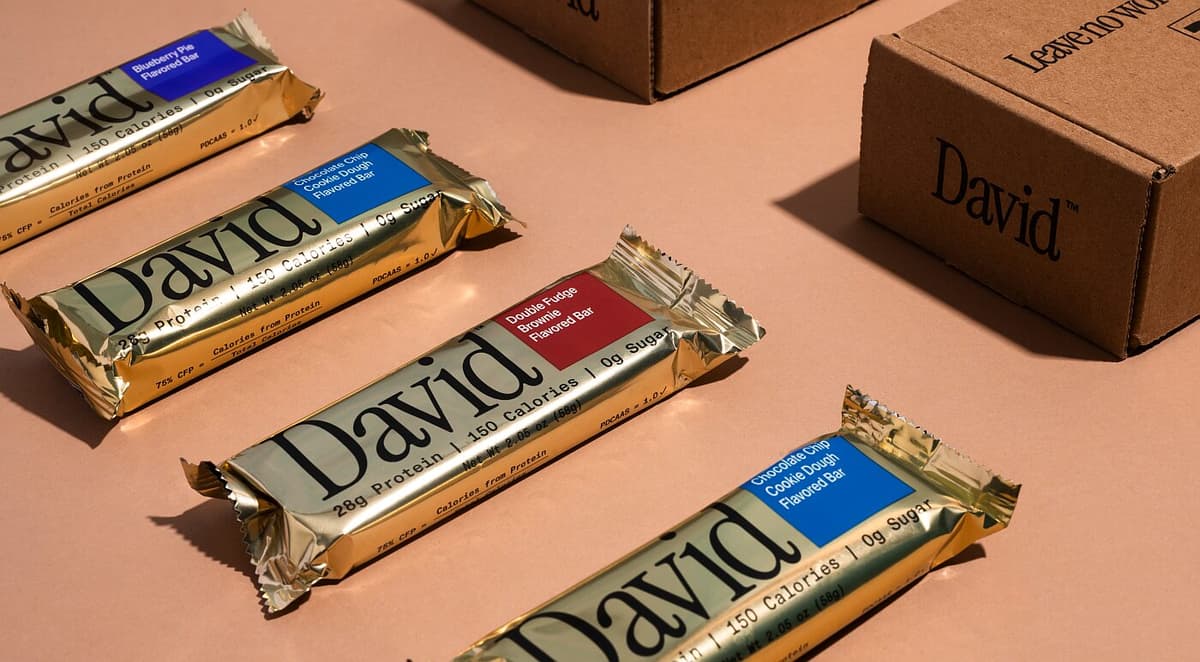
Endgame Looms in EPG Antitrust Fight as David Protein Urges Judge to Toss Case for Good
Why It Matters
The ruling will set a precedent on whether control of a single, critical ingredient can trigger antitrust liability in niche food categories, influencing how startups and large CPG firms secure specialized inputs. It also highlights the legal risk of vertical integration in the rapidly evolving alternative‑protein sector.
Key Takeaways
- •David Protein bought Epogee, the sole maker of low‑calorie fat EPG.
- •Three former customers allege a monopoly in “high‑CFP” protein bars.
- •Judge Marrero has repeatedly sided with David, allowing complaint amendments.
- •Court’s decision could reshape antitrust standards for ingredient‑centric markets.
Pulse Analysis
The emergence of EPG, a fat replacer delivering only 0.7 calories per gram versus traditional fats’ nine, has become a linchpin for low‑carb, high‑protein snack bars. David Protein’s acquisition of Epogee last May gave it exclusive control over this niche ingredient just as the company’s bar sales surged, prompting the firm to consider licensing EPG to larger consumer‑packaged‑goods players. This strategic move underscores how a single proprietary component can become a growth engine for a brand that once relied on standard formulations.
The antitrust dispute centers on whether David’s refusal to sell EPG to rivals creates a monopolistic barrier in the so‑called high‑calories‑from‑protein (CFP) market. Plaintiffs argue that without EPG, formulators cannot achieve the 50‑75% protein‑calorie threshold, effectively locking them out of a lucrative segment. David counters that consumers shop for protein bars, not for a technical market label, and that its stable $3.25‑per‑bar price demonstrates no anti‑competitive pricing pressure. The judge’s prior rulings, which have allowed the plaintiffs multiple chances to refine their market definition, suggest the court is weighing the novelty of ingredient‑centric markets against established antitrust doctrine.
Beyond the courtroom, the case signals a broader tension in food tech: as startups innovate with specialized inputs—whether novel proteins, fats, or fermentation‑derived flavors—vertical integration can both accelerate growth and invite regulatory scrutiny. A decisive outcome either reinforces the right of patent holders to control distribution or forces a more open supply chain model, shaping investment strategies for emerging food companies. Stakeholders will watch closely, as the precedent could ripple through sectors from alternative dairy to cultured meat, where ingredient exclusivity often defines competitive advantage.
Endgame looms in EPG antitrust fight as David Protein urges judge to toss case for good
Comments
Want to join the conversation?
Loading comments...