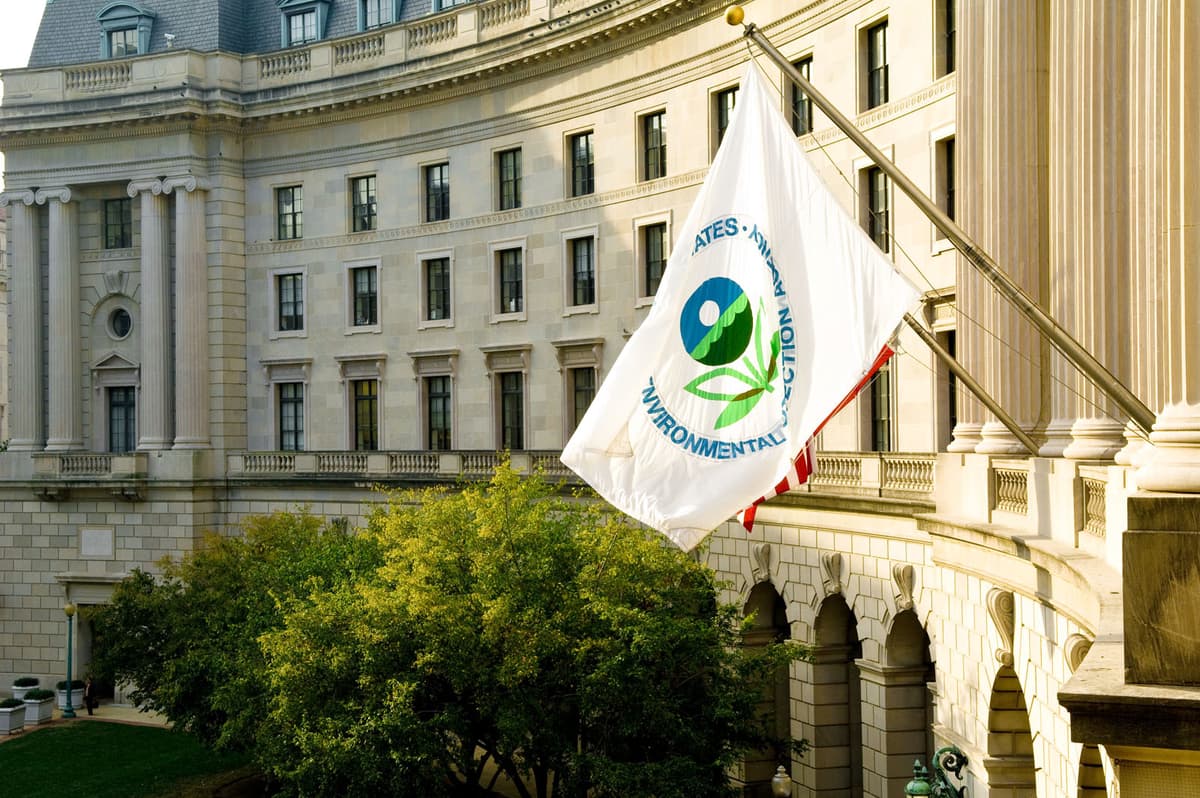
Environmental Groups Challenge EPA Repeal of Greenhouse Gas Study
Why It Matters
The repeal threatens the EPA’s ability to regulate vehicle emissions, undermining decades‑old climate protections and exposing the public to higher health risks. The lawsuit could restore regulatory authority and signal limits on executive rollbacks of environmental law.
Key Takeaways
- •EPA rescinded 2009 greenhouse gas endangerment finding
- •Lawsuit filed by environmental groups and Alaskan tribes in D.C. court
- •Rescission removes EPA authority to set vehicle GHG standards
- •Plaintiffs cite Clean Air Act and Massachusetts v. EPA precedent
Pulse Analysis
The 2009 Greenhouse Gas Endangerment Finding was a watershed moment for U.S. climate policy. Stemming from the 2007 Supreme Court case Massachusetts v. EPA, the finding classified carbon dioxide and other greenhouse gases as pollutants under the Clean Air Act, obligating the agency to assess and regulate emissions from new motor vehicles. This legal foundation enabled a series of vehicle‑fuel efficiency standards that have cut millions of tons of carbon annually, reinforcing the EPA’s role as a primary defender of public health against climate‑related hazards.
In February 2026, the EPA issued a final rule that formally rescinded the 2009 finding, arguing that the agency no longer possessed statutory authority under Section 202(a) of the Clean Air Act to set greenhouse‑gas limits for cars and trucks. Critics contend the move sidesteps a clear congressional mandate and the Supreme Court’s precedent, effectively stripping the agency of its core climate‑regulation powers. Environmental groups and several Alaskan tribes filed suit in the U.S. District Court for the District of Columbia, asserting that the repeal is unlawful, jeopardizes public health, and contravenes the agency’s mission to protect the environment.
The litigation could have far‑reaching implications. If the court reinstates the 2009 finding, the EPA would regain the ability to enforce vehicle emissions standards, preserving a key lever in the nation’s decarbonization strategy. Conversely, a ruling upholding the repeal would embolden future administrations to dismantle climate safeguards, potentially prompting Congress to intervene with new legislation. Stakeholders across the automotive, energy, and public‑health sectors are watching closely, as the outcome will shape regulatory certainty and the United States’ trajectory toward its climate‑change commitments.
Environmental groups challenge EPA repeal of greenhouse gas study
Comments
Want to join the conversation?
Loading comments...