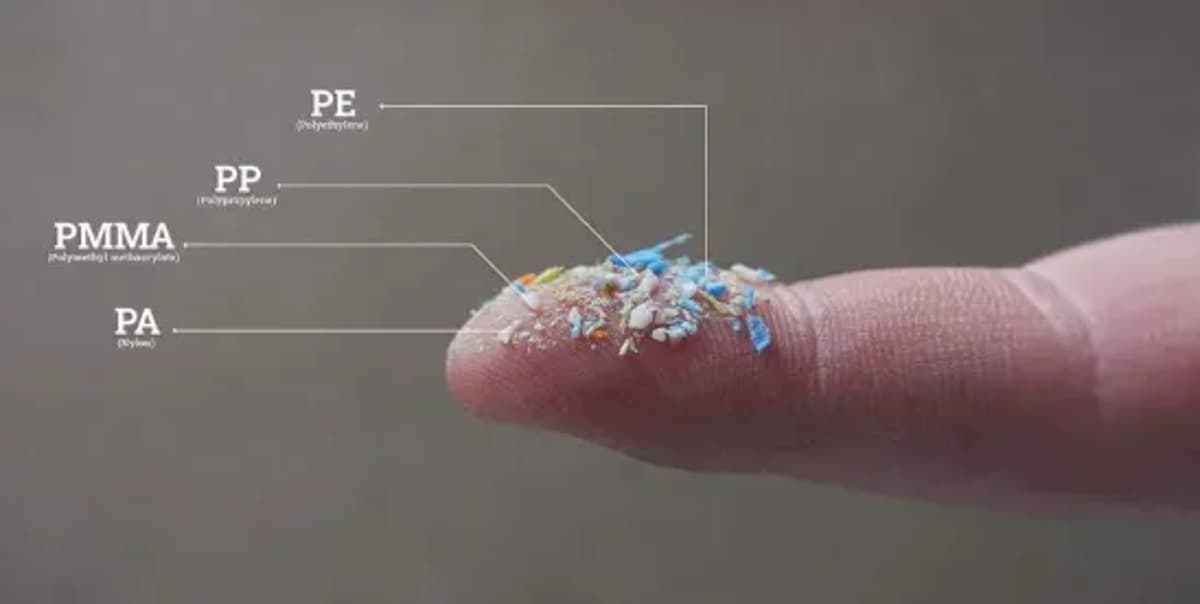
EPA Looks to Evaluate Microplastics Under the Safe Drinking Water Act
Why It Matters
Listing microplastics on the CCL puts the contaminant on the regulatory road‑map, prompting utilities, manufacturers and policymakers to address data gaps before potential SDWA standards are set.
Key Takeaways
- •EPA added microplastics to its sixth Contaminant Candidate List
- •Public comments are due by June 5, 2026
- •EPA identified four data gaps: health definition, detection, mixtures, sources
- •Inclusion may trigger future UCMR monitoring and possible SDWA regulation
Pulse Analysis
The EPA’s draft sixth Contaminant Candidate List (CCL) represents a pivotal moment for microplastics policy. By elevating the plastic particles to a priority group, the agency acknowledges growing scientific evidence of their presence in municipal water supplies and the uncertainty surrounding health impacts. The CCL serves as a scouting report for regulators, highlighting contaminants that merit deeper investigation before any enforceable standards are considered. In the case of microplastics, the EPA has outlined four critical data gaps—defining health‑relevant characteristics, validating detection technologies, understanding mixture dynamics, and pinpointing sources—each of which will shape the agency’s next steps.
For water utilities, the CCL inclusion triggers a cascade of operational considerations. Although the list itself does not impose new treatment requirements, it often precedes the Unregulated Contaminant Monitoring Rule (UCMR), which obliges public water systems to sample and report emerging contaminants. Utilities may need to invest in advanced analytical equipment or partner with laboratories capable of detecting particles as small as a few microns. Early engagement with the EPA comment period can also help utilities influence the scope of future monitoring, potentially averting costly retrofits if the agency later determines that existing treatment processes sufficiently address microplastic contamination.
Beyond the water sector, the move signals a broader regulatory shift toward the "polluter pays" principle for plastic waste. Recent actions on PFAS under the Clean Water Act illustrate how upstream manufacturers can become financially responsible for downstream contamination. As EPA gathers source data, industries involved in packaging, textile production, and plastic manufacturing may face heightened scrutiny and potential liability. Stakeholders are therefore advised to monitor the evolving scientific literature, assess supply‑chain exposure, and consider proactive measures—such as redesigning products to reduce microplastic shedding—to stay ahead of possible future SDWA regulations.
EPA Looks to Evaluate Microplastics under the Safe Drinking Water Act
Comments
Want to join the conversation?
Loading comments...