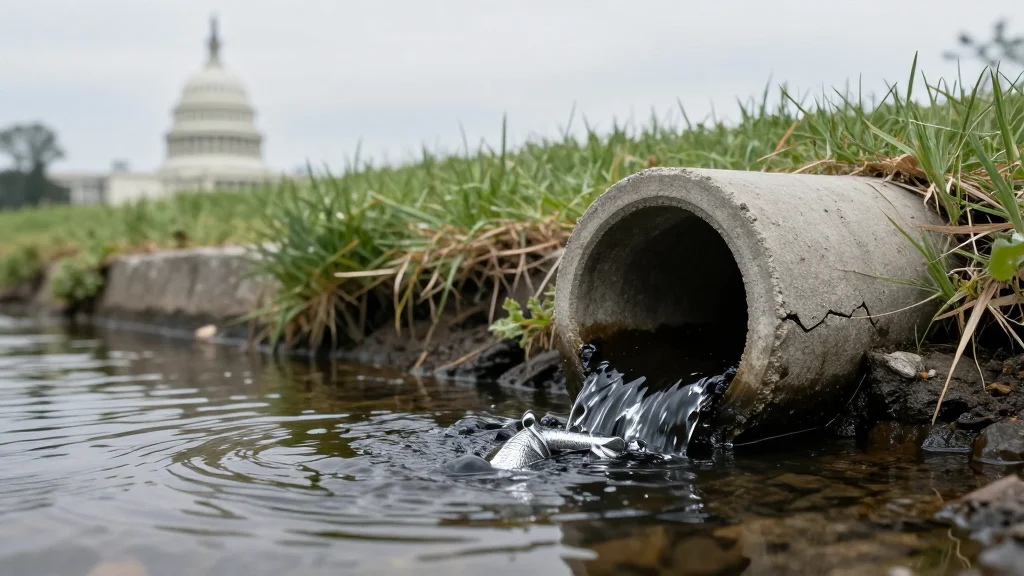
E.P.A., Maryland Sue D.C. Utility Over Potomac River Sewage
Why It Matters
The lawsuits highlight growing scrutiny of aging wastewater infrastructure and the financial and reputational risks utilities face when failures jeopardize water quality and public health. They also signal heightened regulatory pressure to accelerate investment in resilient sewer systems.
Key Takeaways
- •EPA and Maryland sue D.C. Water over 240M gallons sewage spill
- •Potomac Interceptor collapse released largest sewage surge since 1920s
- •D.C. Water repaired tunnel in 55 days; containment took three weeks
- •Lawsuits allege utility ignored known pipeline decay and provided inadequate mitigation
- •Potomac named nation’s most endangered river following the sewage event
Pulse Analysis
The Potomac Interceptor, a half‑century‑old conduit moving up to 60 million gallons of wastewater daily, suffered a critical failure in January when a tunnel segment near Cabin John gave way. The breach unleashed an estimated 240 million gallons of untreated sewage, the most significant single‑event discharge since modern wastewater treatment began. While D.C. Water mobilized emergency crews, the initial bypass system proved inadequate, allowing raw effluent to flow downstream for days. The incident underscores the vulnerability of legacy sewer networks that were designed for a different era of urban growth and climate stress.
Federal and state regulators responded swiftly, with the EPA and the Justice Department filing lawsuits that accuse D.C. Water of neglecting known pipe deterioration and failing to implement sufficient mitigation. The legal actions seek damages and compel the utility to accelerate a comprehensive rehabilitation of the 54‑mile pipeline. Environmental groups seized on the event to amplify concerns about the Potomac’s health; American Rivers recently designated the river as the nation’s most endangered, citing the spill as a symptom of broader systemic neglect. The lawsuits also serve as a warning to other municipalities that deferred maintenance can trigger costly litigation and federal oversight.
For the water‑utility sector, the case is a catalyst for reassessing asset management strategies. Investors and ratepayers are increasingly demanding transparency on infrastructure condition assessments and capital‑expenditure plans. The incident may accelerate the adoption of advanced monitoring technologies, such as smart sensors and AI‑driven predictive analytics, to detect early signs of pipe failure. Moreover, policymakers are likely to push for stronger funding mechanisms, including federal grants and low‑interest loans, to modernize aging sewer systems nationwide, reducing the risk of future environmental catastrophes and safeguarding public health.
E.P.A., Maryland Sue D.C. Utility Over Potomac River Sewage
Comments
Want to join the conversation?
Loading comments...