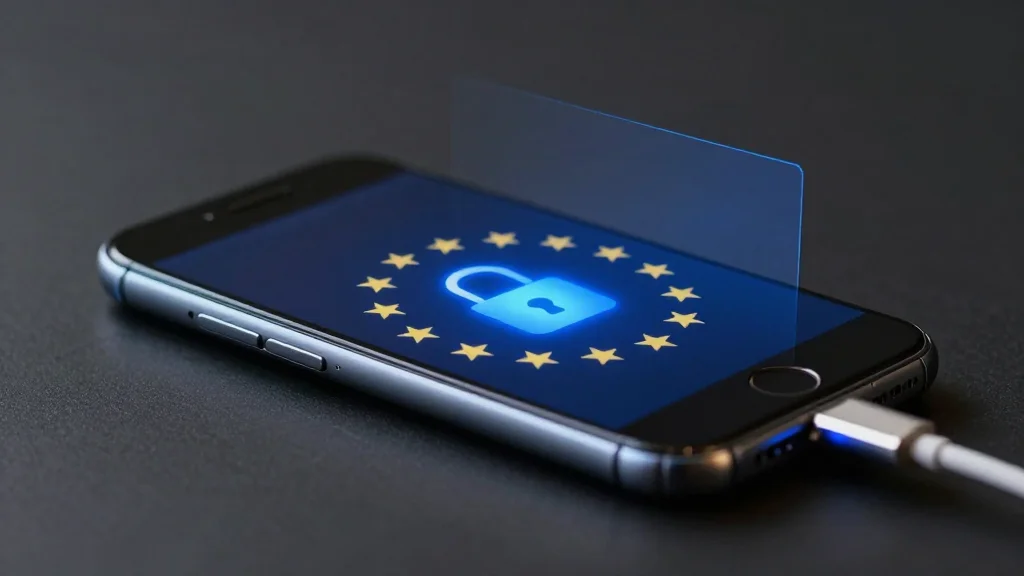
EU Calls VPNs "a Loophole that Needs Closing" In Age Verification Push

Why It Matters
If VPNs become subject to age checks, the balance between child safety and digital privacy could shift dramatically, forcing providers to redesign services and potentially exposing users to greater surveillance. The debate signals a broader regulatory trend that could reshape online content controls across Europe and beyond.
Key Takeaways
- •EU flags VPNs as loophole undermining age‑verification laws
- •UK saw VPN app downloads surge after age‑check mandate
- •VPN age checks could erode anonymity, increase surveillance risk
- •Utah SB 73 bases location on physical presence, not IP address
- •Double‑blind verification pilots in France protect identity while confirming age
Pulse Analysis
The EU’s latest push to close the "VPN loophole" reflects mounting pressure on governments to enforce stricter online child‑safety regimes. Age‑verification mandates, now active in the United Kingdom and several U.S. states, require platforms to confirm a user’s age before granting access to adult content. As a side effect, VPN usage has spiked, allowing minors to mask their IP addresses and bypass regional checks. Policymakers argue that without addressing this circumvention, the intended protective impact of age‑verification laws remains diluted.
Technical enforcement of age verification is notoriously complex. Existing models—self‑declaration, age estimation, and identity verification—are vulnerable to simple workarounds, prompting calls for more privacy‑preserving solutions. France’s "double‑blind" pilots illustrate one such approach: verification providers confirm age eligibility without learning the user’s identity, while websites remain blind to the verification source. However, extending age checks to VPN services raises a paradox; imposing identity verification on privacy tools could erode the anonymity that underpins secure remote work, journalism, and personal freedom, potentially inviting broader surveillance.
Legislative activity is already moving beyond Europe. Utah’s SB 73, the first U.S. law to target VPNs in the context of age verification, defines a user’s location by physical presence rather than IP address, effectively nullifying VPN masking. The EU is also eyeing amendments to its Cybersecurity Act that could embed child‑safety requirements for VPN providers. For the industry, this signals a need to anticipate tighter compliance obligations, redesign authentication flows, and invest in privacy‑by‑design architectures that satisfy regulators without compromising core security guarantees.
EU calls VPNs "a loophole that needs closing" in age verification push
Comments
Want to join the conversation?
Loading comments...