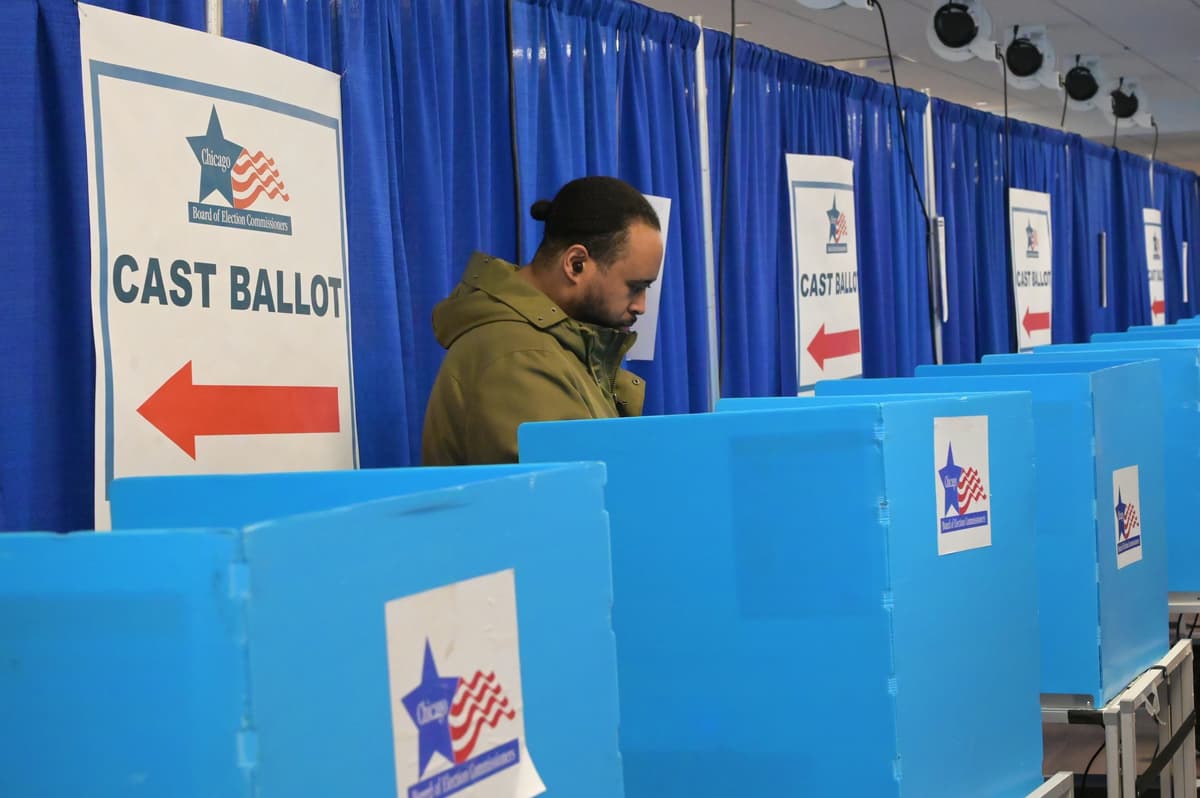
Even the States That Passed Their Own Voting Rights Acts Need to Watch Their Backs
Why It Matters
If courts strike down Illinois’ provisions, other states’ voting‑rights statutes may face the same fate, potentially weakening safeguards for minority voters and reshaping future election maps.
Key Takeaways
- •Public Interest Legal Foundation sues Illinois’ state Voting Rights Act.
- •Lawsuit claims race‑based district rules breach Constitution and federal VRA.
- •Supreme Court’s *Callais* decision may open door for similar challenges.
- •Eight states already have voting‑rights statutes; more are drafting bills.
- •Potential wave of suits could erode minority voting protections nationwide.
Pulse Analysis
The federal Voting Rights Act of 1965 was a cornerstone of American democracy, outlawing discriminatory voting practices and requiring pre‑clearance for changes in jurisdictions with histories of racism. After the Supreme Court’s 2013 *Shelby County* decision and the more recent *Callais* ruling, the federal shield has been substantially weakened, prompting several states to craft their own voting‑rights statutes as a defensive measure. Illinois led the way in 2011, codifying crossover, coalition, and influence districts to preserve minority voting power when the federal framework receded.
Illinois’ new legal battle centers on whether state‑mandated race‑based districting runs afoul of the Constitution’s equal‑protection clause and the federal VRA’s ban on race‑explicit election rules. The Public Interest Legal Foundation, known for litigation aimed at tightening voter rolls, argues that the law’s explicit racial percentages constitute impermissible government discrimination. If a federal court agrees, it could invalidate the core mechanisms that states use to protect minority representation, setting a precedent that other jurisdictions may be forced to follow.
Eight states—Illinois, Maryland, Nevada, New Mexico, Oregon, Pennsylvania, Washington, and Wisconsin—have already enacted voting‑rights acts, while legislators in Texas, Louisiana, Mississippi, Alabama, Georgia, Florida, Michigan, and New Jersey are pushing similar bills. A successful challenge in Illinois could trigger a cascade of lawsuits, threatening the very fabric of state‑level voting protections. Lawmakers, advocacy groups, and election officials will be watching closely, as the outcome will influence not only district‑drawing practices but also the broader balance of political power in upcoming elections.
Even the States That Passed Their Own Voting Rights Acts Need to Watch Their Backs
Comments
Want to join the conversation?
Loading comments...