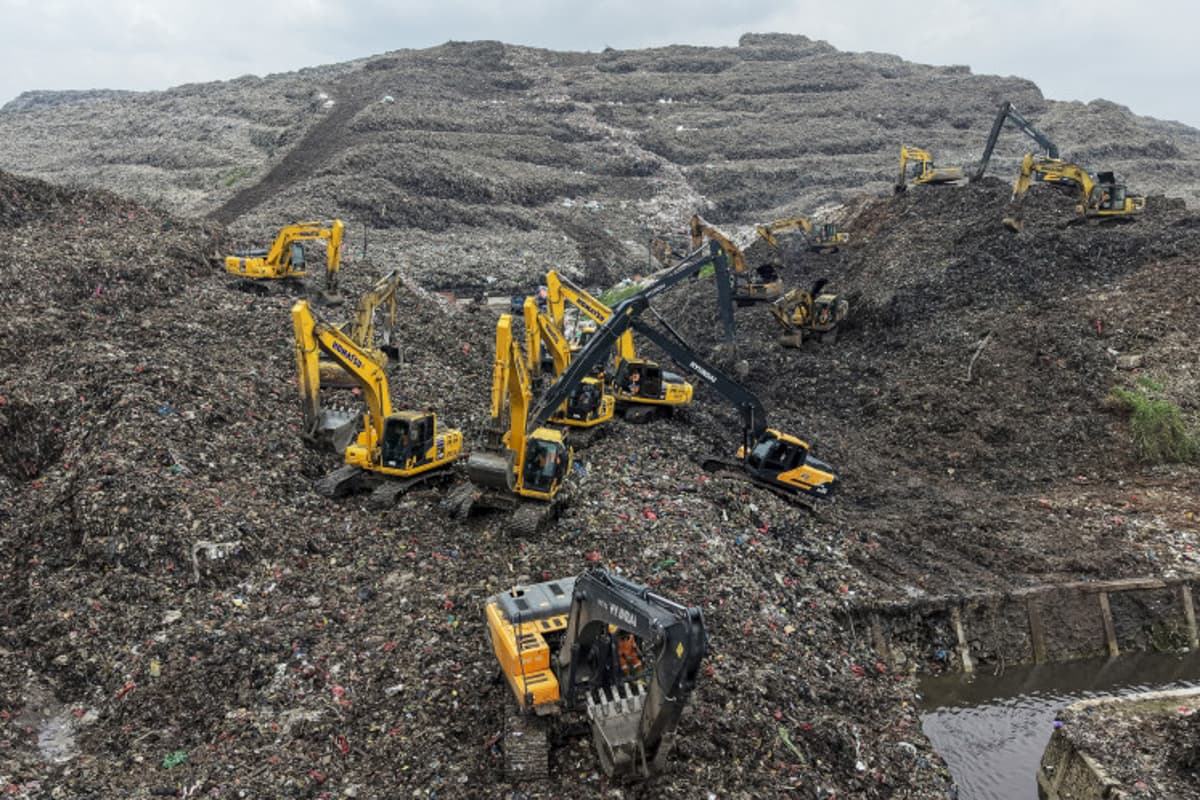
Ex-Jakarta Agency Head Faces Charges in Deadly Landfill Collapse
Why It Matters
Holding senior officials accountable signals a stricter enforcement regime for environmental standards, potentially reshaping waste‑management practices across Indonesia. The incident underscores the human cost of regulatory neglect, prompting urgent policy reforms.
Key Takeaways
- •Former Jakarta Environment Agency chief Asep Kuswanto named suspect
- •Bantar Gebang landslide killed seven, injured six on 9 March
- •Ministry cited ignored guidance, sanctions before pursuing legal action
- •Violations include missing wastewater facilities and incomplete hazardous‑waste documentation
Pulse Analysis
Indonesia’s waste‑management crisis has long simmered beneath the surface of rapid urban growth, and the Bantar Gebang disaster brings it into stark relief. The 110‑hectare landfill, the nation’s largest open dump, has been under scrutiny for years due to inadequate wastewater treatment and lax hazardous‑waste documentation. Prior to the March landslide, the Environment Ministry issued a series of administrative sanctions aimed at forcing the Jakarta Environment Agency to upgrade infrastructure and tighten reporting. The failure to act not only violated environmental regulations but also set the stage for a catastrophic failure when torrential rains triggered a deadly slide.
The recent designation of former agency head Asep Kuswanto as a suspect marks a decisive shift from administrative penalties to criminal liability. Minister Hanif Faisol Nurofiq emphasized that guidance and monitoring were offered but ignored, necessitating legal action. This move reflects a broader governmental push to hold officials personally responsible for environmental negligence, a stance that could deter future complacency. By targeting senior leadership, the Ministry signals that systemic failures will no longer be brushed aside as bureaucratic oversights.
For businesses and investors, the fallout signals heightened regulatory risk in Indonesia’s waste‑management sector. Companies operating near or within landfill sites must now prioritize compliance with wastewater and hazardous‑waste standards, investing in modern treatment facilities to avoid punitive actions. Moreover, the case may catalyze legislative reforms, potentially introducing stricter licensing requirements and more rigorous monitoring mechanisms. Stakeholders should watch for new policy directives that could reshape operational costs and influence the competitive landscape for waste‑handling firms across Southeast Asia.
Ex-Jakarta agency head faces charges in deadly landfill collapse
Comments
Want to join the conversation?
Loading comments...