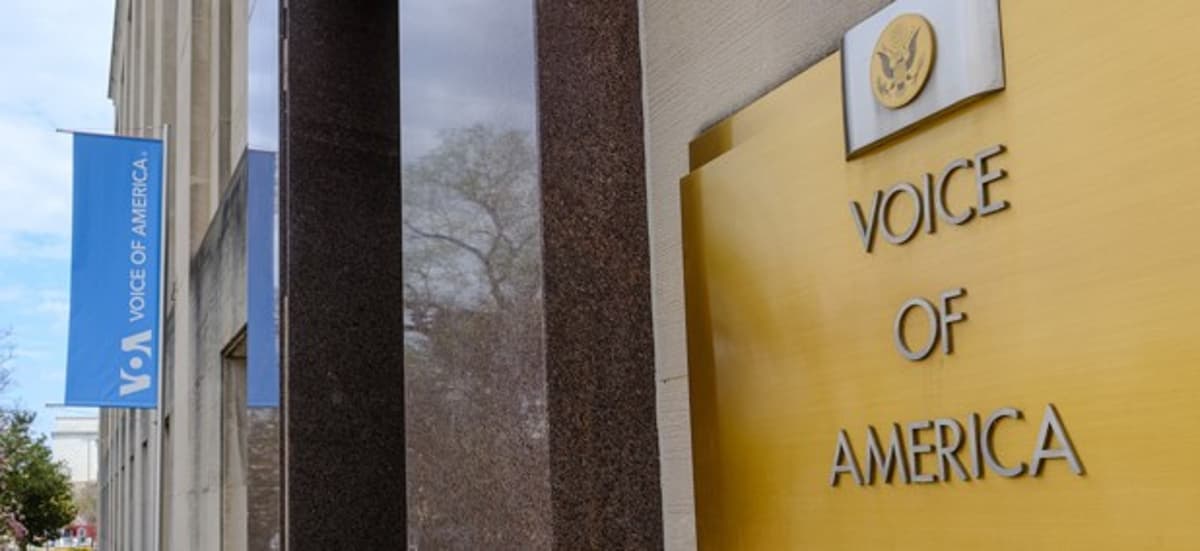
Ex-VOA Employees Challenge Last Year’s Buyout and Retirement Offers
Why It Matters
The challenge could reshape how federal agencies conduct voluntary separation programs and set a legal precedent for rescinding buyouts made under duress, affecting thousands of civil servants.
Key Takeaways
- •Four ex‑VOA staff filed MSPB petition to void buyouts.
- •Judge invalidated Kari Lake’s USAGM appointment, ordering reinstatement.
- •Plaintiffs claim offers were made under layoff threat, duress.
- •Seeking class certification for all DRP, VERA, VSIP participants.
- •Case may redefine legality of federal voluntary exit agreements.
Pulse Analysis
The U.S. Agency for Global Media (USAGM) has been thrust into a legal maelstrom after a federal judge ruled that Kari Lake’s appointment as its head was invalid because it bypassed Senate confirmation. The decision not only reinstated hundreds of journalists and support staff who were laid off under a rapid downsizing plan, but also opened the door for former employees to contest the terms of their departures. This backdrop underscores the heightened scrutiny federal agencies now face when making high‑profile leadership changes without full congressional oversight.
USAGM’s 2024 workforce reduction relied on three voluntary exit mechanisms: the Deferred Resignation Program (DRP), Voluntary Early Retirement Authority (VERA) and Voluntary Separation Incentive Payments (VSIP). Employees were given two‑week windows to accept generous severance packages while simultaneously receiving reduction‑in‑force notices. The four former Voice of America staff allege that the agency’s timing created a coercive environment, effectively forcing them to choose between a lump‑sum payout and imminent unemployment. Under the Merit Systems Protection Board’s standards, voluntary exit agreements are generally binding unless the employee can prove duress or a material mistake of fact—precisely the arguments now being advanced.
If the MSPB grants the petition, the ruling could reverberate across the federal civil service, prompting agencies to reevaluate the legality of rapid, incentive‑driven layoffs. A precedent that voluntary separations can be voided when offered under pressure would compel agencies to adopt more transparent, longer‑notice processes and could trigger a wave of litigation from workers who accepted similar deals during past restructurings. Stakeholders in public‑sector HR, labor law, and government budgeting will be watching closely, as the outcome may reshape the balance between fiscal efficiency and employee rights in Washington.
Ex-VOA employees challenge last year’s buyout and retirement offers
Comments
Want to join the conversation?
Loading comments...