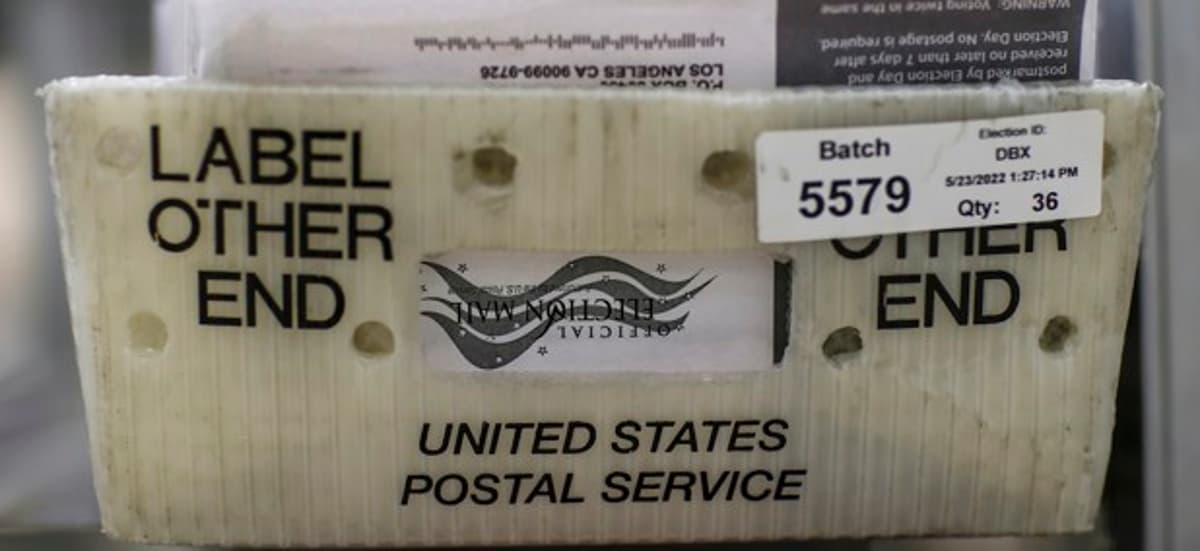
Executive Order on Mail Ballots Tests Limits of Postal Service Independence
Why It Matters
If upheld, the order could erode the statutory insulation of the Postal Service, threatening election logistics and public confidence in a critical national infrastructure. It also intensifies political battles over agency independence, with broader implications for how presidents may influence quasi‑independent bodies.
Key Takeaways
- •Trump orders USPS to require state voter‑list notifications
- •Legal experts say order breaches statutes protecting USPS independence
- •USPS handles 109 billion pieces annually, half 2006 volume
- •Postmaster general faces lawsuits; board currently all Biden appointees
- •Mail‑in voting remains ~30% of ballots, critical for elections
Pulse Analysis
The U.S. Postal Service was restructured in 1970 into an independent corporation precisely to shield it from direct political interference. Its governance model—nine Board members with staggered seven‑year terms and a limit on party representation—was intended to ensure continuity regardless of which party holds the White House. Historically, the postmaster general reported to the Board, not the president, a separation that has underpinned public trust in reliable mail delivery, especially during elections where the USPS processes over 200 million ballot pieces each cycle.
Trump’s executive order challenges that framework by instructing the postmaster general to impose new rulemaking on state ballot‑mail procedures. The move aligns with the unitary executive theory, which argues the president should have unfettered authority over all executive agencies. Recent attempts to assert similar control over the Federal Reserve and other quasi‑independent bodies illustrate a broader agenda to consolidate power. For businesses that rely on timely mail—e‑commerce firms, financial institutions, and legal services—the prospect of politicized rule changes raises concerns about service consistency and potential delays during peak election periods.
Financial pressures compound the political controversy. The USPS now processes 109 billion pieces of mail a year, roughly half the volume of its 2006 peak, while operating without tax subsidies and warning of a cash shortfall within twelve months. Proposals to raise its borrowing limit or overhaul pension obligations have stalled in Congress, leaving the agency vulnerable to external pressures. Stakeholders should monitor court rulings on the executive order, upcoming board nominations, and any legislative moves that could reshape the USPS’s fiscal footing, as these factors will directly affect the reliability of mail‑in voting and the broader logistics chain that undergirds American commerce.
Executive order on mail ballots tests limits of Postal Service independence
Comments
Want to join the conversation?
Loading comments...