Why It Matters
Understanding and mitigating both civil and regulatory risks protects food manufacturers from costly fines, lawsuits, and safety incidents, safeguarding profit margins and brand reputation.
Key Takeaways
- •Civil claims stem from contracts with suppliers, retailers, employees
- •Regulatory fines scale with company turnover, can be severe
- •Combustible dust remains after brushing, posing explosion risk
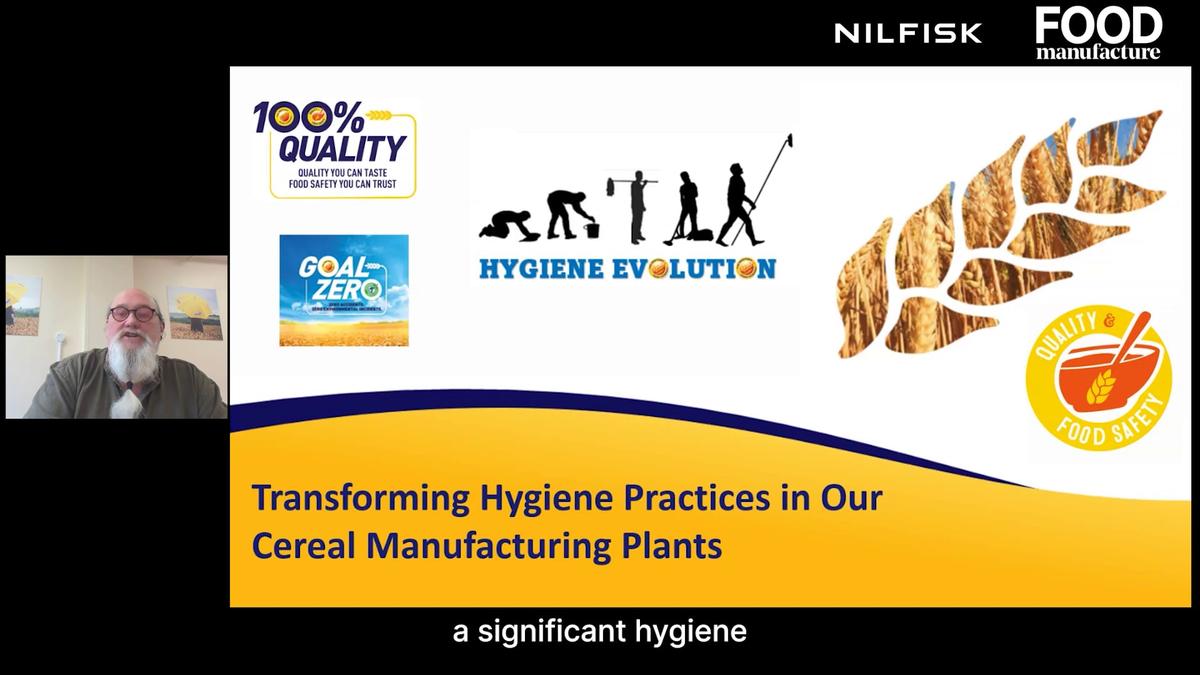
- •Weetabix switched to vacuum cleaning, cutting airborne dust dramatically
- •Coaching approach eased cultural shift to new hygiene methods
Pulse Analysis
Food manufacturers face a dual‑track legal landscape. Civil claims arise from contractual disputes with suppliers, retailers, and employees, often settled quietly but still costly. Regulatory exposure, however, can trigger investigations by Trading Standards, the Health and Safety Executive, or the Food Standards Agency, with penalties tied to turnover and potential personal liability for directors who neglect compliance. Companies that proactively audit risk assessments can stay ahead of enforcement and protect board members from exposure.
A less obvious danger lurks in the fine dust generated by dry‑powder ingredients. Traditional sweeping removes only 80‑90% of particles, leaving an invisible cloud that can ignite under the right conditions. Nilfisk’s industrial vacuums capture this residual dust, dramatically lowering airborne concentrations and aligning with exposure limits. Weetabix’s transition from brushes to vacuum‑based cleaning not only reduced the combustion risk but also set a benchmark for hygiene standards across the sector.
Changing equipment alone isn’t enough; employee behavior drives success. Weetabix discovered staff covertly re‑introducing brushes, underscoring the inertia of familiar practices. By shifting from punitive enforcement to coaching, the hygiene team fostered acceptance of the new method, accelerating cultural adoption. This approach illustrates how leadership can blend technology with soft‑skill interventions to achieve lasting safety improvements, a lesson applicable to any food‑processing operation seeking to modernize its risk‑management framework.
Experts warn of hidden hazards in food factories
Comments
Want to join the conversation?
Loading comments...