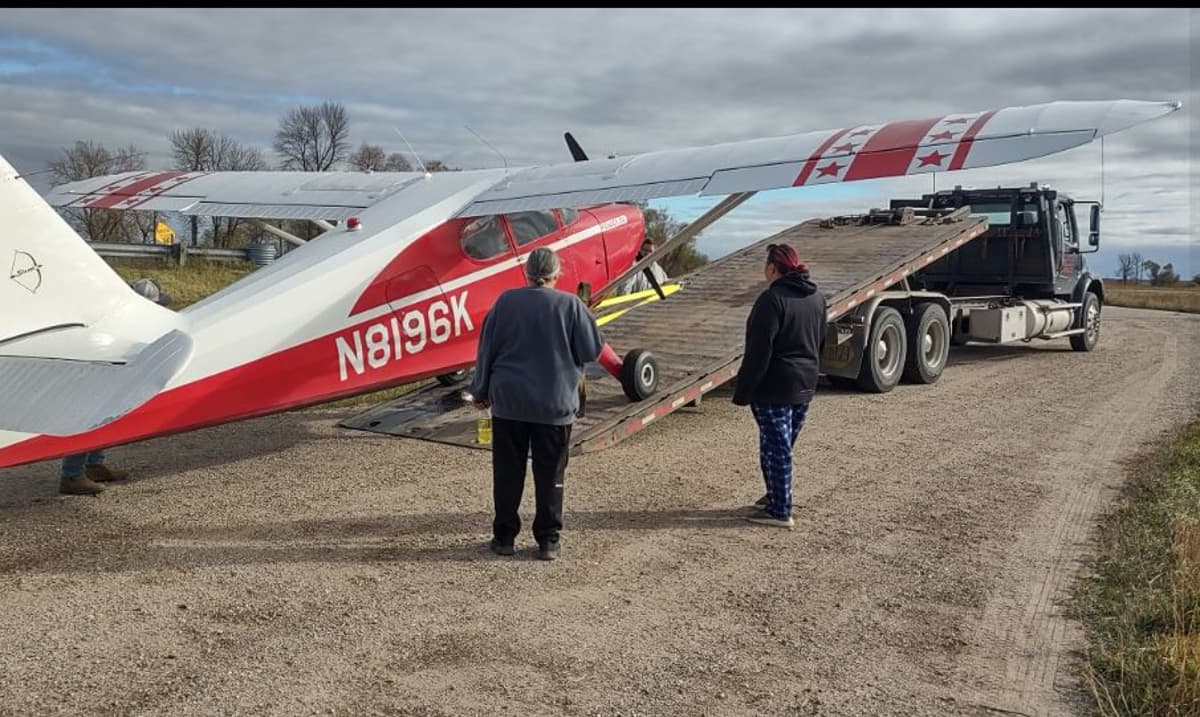
FAA Warns Red Lake Nation Over Seized Aircraft Dispute
Why It Matters
The dispute pits tribal sovereignty against federal aviation jurisdiction, potentially redefining pilots' rights during emergency landings on Native lands.
Key Takeaways
- •FAA threatens civil action if Red Lake Nation keeps seized plane.
- •Tribe seized 1946 Stinson citing 1978 rule limiting low‑altitude flights.
- •Pilot refused tribe’s offer to pay towing and youth fund contribution.
- •Outcome may define federal vs tribal jurisdiction over emergency landings.
Pulse Analysis
The Federal Aviation Administration has issued a formal warning to the Red Lake Nation, demanding the return of a 1946 Stinson aircraft that was impounded after an emergency landing on tribal land in October 2025. Pilot Darrin Smedsmo was forced to touch down on Highway 89 near Lower Red Lake due to engine trouble, and the aircraft suffered no injuries or damage. Red Lake authorities seized the plane under a 1978 tribal resolution that bars aircraft from operating below 20,000 feet over the reservation, a rule originally aimed at blocking low‑level military training routes.
The FAA’s intervention rests on longstanding federal statutes that grant the agency exclusive control over U.S. navigable airspace, including emergency procedures, regardless of tribal boundaries. Aviation groups such as the Aircraft Owners and Pilots Association have rallied behind Smedsmo, arguing that the tribe’s seizure infringes on federal jurisdiction and could set a dangerous precedent for pilots who must make unscheduled landings on sovereign lands. The tribe’s offer to release the plane in exchange for towing costs and a contribution to a youth organization was rejected, prompting the FAA to threaten civil enforcement and possible referral to the Department of Justice.
The dispute underscores a growing tension between tribal sovereignty and federal aviation safety mandates. If the FAA proceeds with enforcement, the case could clarify the extent to which tribal regulations can restrict aircraft operations, especially during emergencies, and may influence future negotiations over airspace rights with other Native nations. For the broader aviation community, a clear resolution is critical to maintaining consistent safety standards and preventing legal uncertainty for pilots operating near tribal territories. Stakeholders are watching closely, as the outcome may reshape policy and cooperation frameworks across the United States.
FAA Warns Red Lake Nation Over Seized Aircraft Dispute
Comments
Want to join the conversation?
Loading comments...