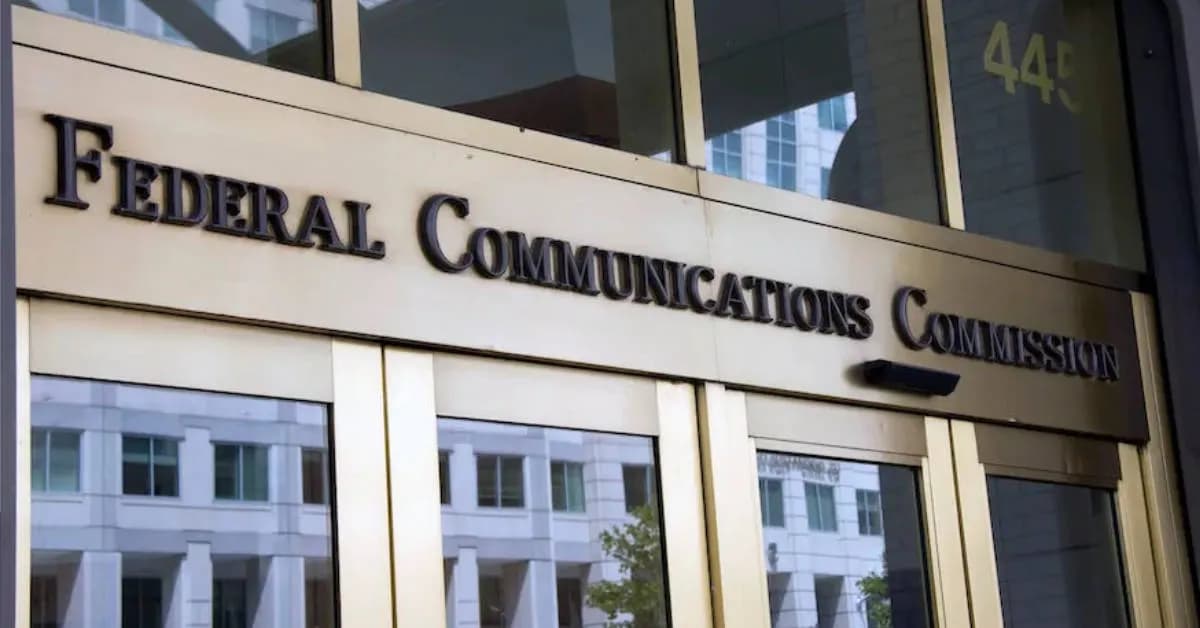
FCC Orders Early Renewal of Bridge News Stations
Why It Matters
Early renewal gives the FCC leverage to deny licenses of stations deemed unfit, reshaping compliance expectations for low‑power broadcasters and potentially limiting ownership maneuvers that sidestep regulatory approval.
Key Takeaways
- •FCC ordered Bridge News to renew low‑power TV licenses early
- •Renewal deadline set for May 27, 2026
- •Action follows probe into unauthorized control transfers of stations
- •Similar early‑renewal order previously issued to Disney’s ABC stations
- •FCC may deny renewal if broadcaster fails public‑interest standards
Pulse Analysis
The FCC’s recent directive to Bridge News marks a notable escalation in the agency’s use of early‑renewal powers. Historically, license renewals have been routine, but the Media Bureau now leverages them as a compliance tool when it suspects violations such as unapproved transfers of control. Bridge News, a limited‑liability company that inherited former NewsNet outlets, faces a May 27 deadline to demonstrate it meets the undefined "public interest" standard—a benchmark that has become increasingly politicized under Chairman Brendan Carr’s leadership.
For low‑power television operators, the order signals heightened scrutiny. These stations, often serving niche or regional audiences, have traditionally operated with limited regulatory friction. However, the FCC can now deny renewal applications if it deems a licensee’s character or operational practices unsuitable. This creates a risk environment where owners must document compliance rigorously, especially as the agency contemplates formalizing the public‑interest definition—a move championed by Commissioner Anna Gomez to curb perceived arbitrary enforcement.
The Bridge News case also mirrors a parallel action against Disney’s ABC holdings, suggesting the FCC is applying a consistent framework across both independent and major‑network owners. Industry observers view this as a test of the commission’s willingness to challenge entrenched media conglomerates while also holding smaller players accountable. As the public‑interest doctrine evolves, broadcasters should anticipate more proactive oversight, potentially reshaping ownership structures and content strategies to align with regulatory expectations.
FCC orders early renewal of Bridge News stations
Comments
Want to join the conversation?
Loading comments...