Federal Judge Tells The Trump Administration To Quit Acting Like Big Brother
•February 17, 2026
0
Companies Mentioned
Bloomberg
Why It Matters
The ruling curtails the administration’s power to control historical narratives, reinforcing transparency and First Amendment protections. It also sets a legal benchmark for future disputes over government‑controlled exhibits.
Key Takeaways
- •Judge orders DOJ to reinstate slavery exhibit signage.
- •Trump administration's message‑control claim rejected as unlawful.
- •Ruling protects public access to accurate historical information.
- •Sets precedent limiting executive censorship of museum displays.
- •Highlights judicial pushback against politicized historical revisionism.
Pulse Analysis
The President’s House in Philadelphia, once the residence of George Washington, has become a flashpoint in the battle over how America presents its past. The Department of Justice, under the Trump administration, moved to remove or alter exhibits that referenced Washington’s ownership of enslaved people, asserting broad discretion over federal messaging. Judge Cynthia Rufe’s injunction not only ordered the restoration of the removed content but also underscored the judiciary’s role in checking executive overreach when it comes to public history.
Legal scholars note that the decision hinges on First Amendment jurisprudence and the principle that the government cannot suppress factual historical information to serve a political agenda. By labeling the administration’s actions as “dangerous,” the court signaled that attempts to rewrite or omit uncomfortable truths may violate constitutional safeguards. This case adds to a growing body of precedent that protects museums, historic sites, and educational institutions from politically motivated censorship, reinforcing the public’s right to an unvarnished historical record.
Beyond the courtroom, the ruling reverberates through a polarized political landscape where narratives about slavery and race are increasingly contested. Future administrations may find the injunction a deterrent against similar efforts to reshape historical exhibits. For cultural institutions, the decision offers a legal bulwark, encouraging them to present comprehensive interpretations without fear of federal retaliation. As debates over historical memory intensify, the case serves as a reminder that courts remain a critical arena for defending factual integrity in the public sphere.
Federal Judge Tells The Trump Administration To Quit Acting Like Big Brother
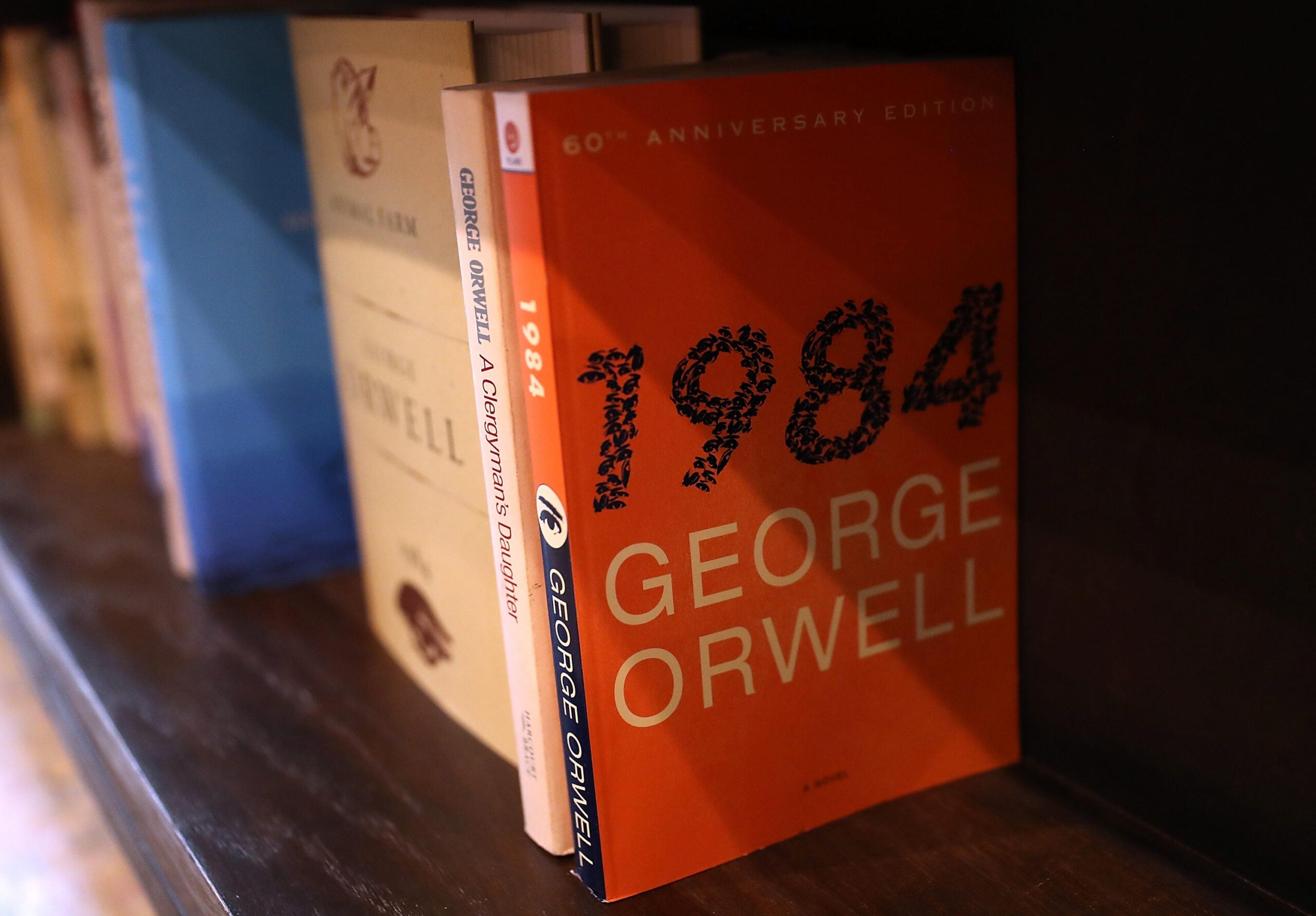
As if the Ministry of Truth in George Orwell’s 1984 now existed, with its motto ‘Ignorance is Strength,’ this Court is now asked to determine whether the federal government has the power it claims—to dissemble and disassemble historical truths when it has some domain over historical facts. It does not.
— Judge Cynthia M. Rufe granting the City of Philadelphia a preliminary injunction holding the federal government must restore signage, displays and videos at the President’s House site in Philly that discuss the slaves that George Washington owned at that location. Attorneys for the Trump administration argued, “the government gets to choose the message it wants to convey.” Judge Rufe was not impressed with the efforts to memory-hole slavery, characterizing it as “dangerous” and “horrifying” during oral arguments.
The post Federal Judge Tells The Trump Administration To Quit Acting Like Big Brother appeared first on Above the Law.
0
Comments
Want to join the conversation?
Loading comments...