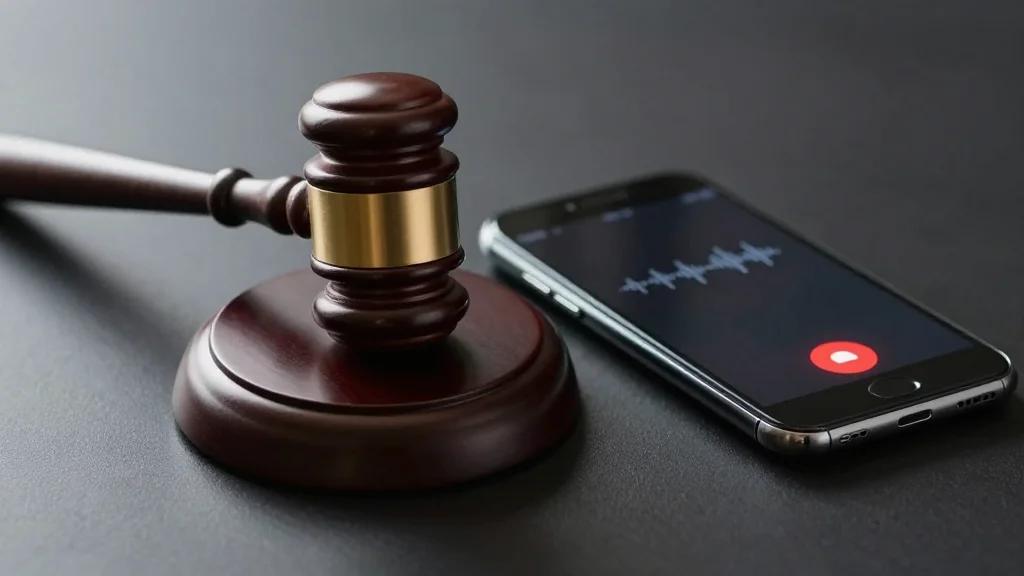
Fifth Circuit Ruling May Open Floodgate of Telemarketing Robocalls

Why It Matters
The Fifth Circuit’s interpretation of the TCPA directly challenges the regulatory momentum built by the FCC and FTC to protect consumers from intrusive automated calls. If upheld, the decision could embolden telemarketers to expand outreach, increasing consumer annoyance and potentially eroding trust in phone‑based communications. Moreover, the ruling highlights a broader judicial trend of limiting state‑level consumer‑protection measures, raising questions about the future of privacy and consent standards in the digital age. For the legal industry, the case underscores the importance of pre‑emptive compliance strategies and may drive a surge in litigation as consumers test the boundaries of the federal statute. Law firms specializing in consumer protection, telecommunications, and privacy are likely to see heightened demand for counsel as businesses navigate the evolving regulatory environment.
Key Takeaways
- •Fifth Circuit decision narrows state‑level TCPA protections for automated calls
- •Ruling could increase telemarketing robocalls in Texas, Louisiana, Mississippi, Alabama
- •Consumer groups warn the decision undermines FCC and FTC anti‑robocall efforts
- •Potential Supreme Court review could set nationwide precedent on pre‑emption
- •Law firms may see a rise in TCPA‑related litigation and compliance work
Pulse Analysis
The Fifth Circuit’s ruling arrives at a moment when the FCC has been aggressively targeting robocall operators with multimillion‑dollar fines and new authentication rules. By anchoring its decision in a strict reading of the federal TCPA, the appellate court effectively sidelines state statutes that have historically filled enforcement gaps. This creates a regulatory vacuum that could be exploited by sophisticated telemarketing firms, especially those leveraging AI‑driven autodialers.
Historically, the TCPA has been a battleground for competing interests: consumer advocates push for broader consent requirements, while businesses argue for flexibility to reach customers efficiently. The Fifth Circuit’s stance tilts the balance toward the latter, potentially prompting a wave of new business models that rely on high‑volume, low‑cost automated outreach. The ripple effect may pressure the FCC to seek legislative amendments that restore stronger consumer safeguards, but such changes face a politically divided Congress.
From a market perspective, the decision could stimulate growth in the robocall technology sector, attracting venture capital to firms offering compliance‑friendly autodialing solutions. Conversely, it may also drive innovation in consumer‑side blocking tools as individuals seek to reclaim control over their phones. The legal community will need to monitor how lower courts apply the Fifth Circuit’s reasoning, as divergent interpretations could fragment the national regulatory landscape, leading to a patchwork of enforcement standards that complicate compliance for nationwide campaigns.
Fifth Circuit Ruling May Open Floodgate of Telemarketing Robocalls
Comments
Want to join the conversation?
Loading comments...