Why It Matters
The sanction reinforces professional accountability in the legal sector and signals that intoxication on the bench will attract financial penalties and supervised reinstatement, protecting client confidence and the integrity of the justice system.
Key Takeaways
- •Barrister fined £1,000 (≈ $1,270) for appearing drunk in court.
- •Self‑imposed five‑month suspension and voluntary toxicology testing.
- •Panel used ‘determination by consent’, avoiding a full tribunal.
- •Fine reduced from £2,000 to £1,000 due to mitigating factors.
Pulse Analysis
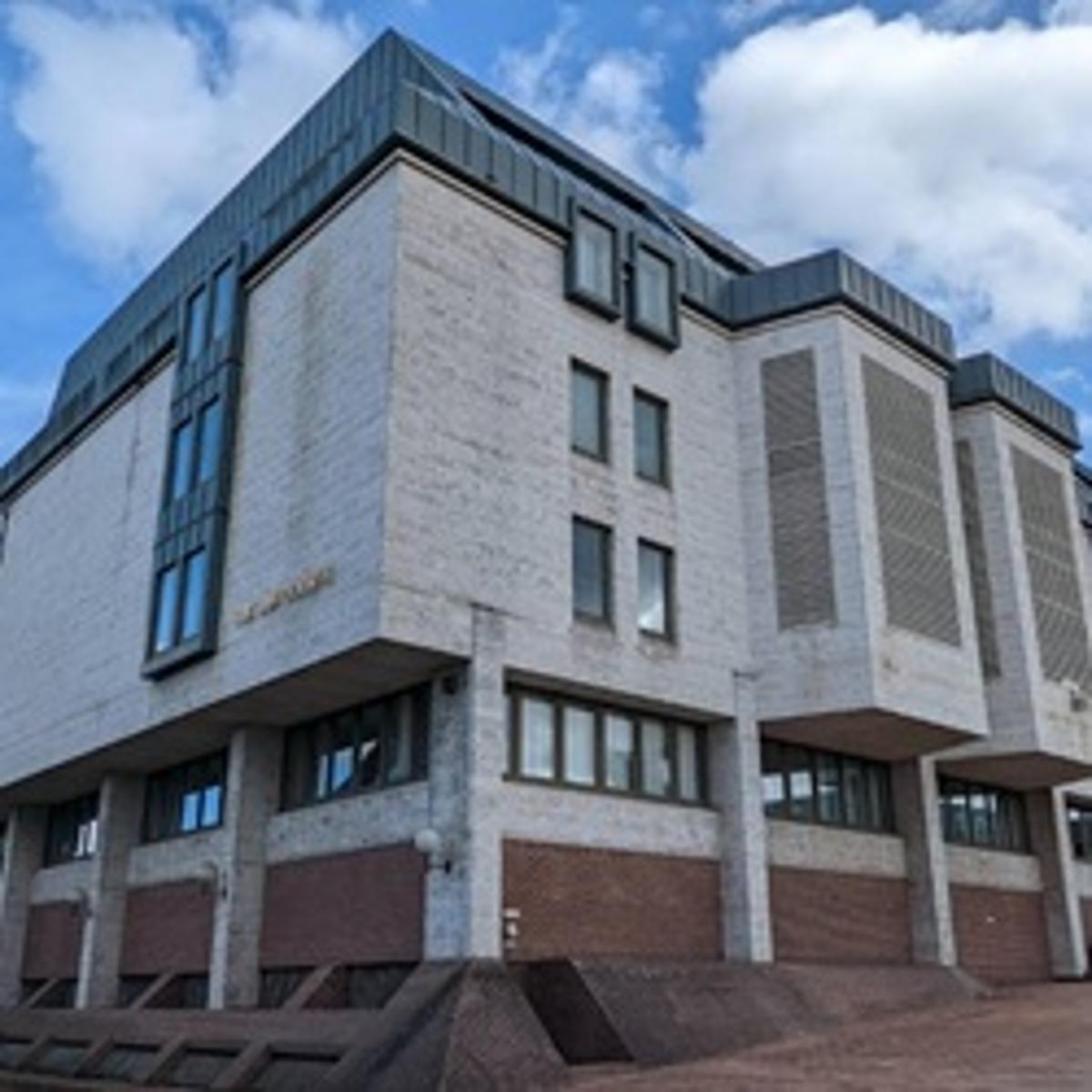
The Bar Standards Board (BSB) fined James Frederick Hankinson £1,000 (about $1,270) after he collapsed at Maidstone County Court while visibly intoxicated. The incident, which forced an adjournment and required the client to secure senior representation, highlighted a breach of the BSB’s Code of Conduct that obliges barristers to maintain competence and integrity. Hankinson, called to the Bar in 2014, voluntarily stepped away from practice for five months and covered the client’s lost earnings, signaling personal accountability beyond the regulatory penalty.
The case was resolved through the BSB’s ‘determination by consent’ procedure, an alternative to a full disciplinary tribunal when facts are undisputed and the misconduct does not merit disbarment. An independent panel weighed the reckless nature of the conduct against mitigating factors such as early admission, cooperation, and a self‑funded toxicology testing program. While the panel initially recommended a £2,000 fine, it halved the amount to reflect the lower culpability rating, demonstrating the board’s calibrated approach to sanctions.
From a market perspective, the episode underscores the reputational risk that personal misconduct poses to legal firms and the broader justice system. By imposing a public fine and mandating a monitored return to work, the BSB sends a clear deterrent message to practitioners, reinforcing client trust and safeguarding the profession’s credibility. Firms are likely to tighten internal support and monitoring mechanisms to preempt similar incidents, while clients gain reassurance that regulatory bodies will act decisively when standards are breached.
Fine for drunk barrister who collapsed at court
Comments
Want to join the conversation?
Loading comments...