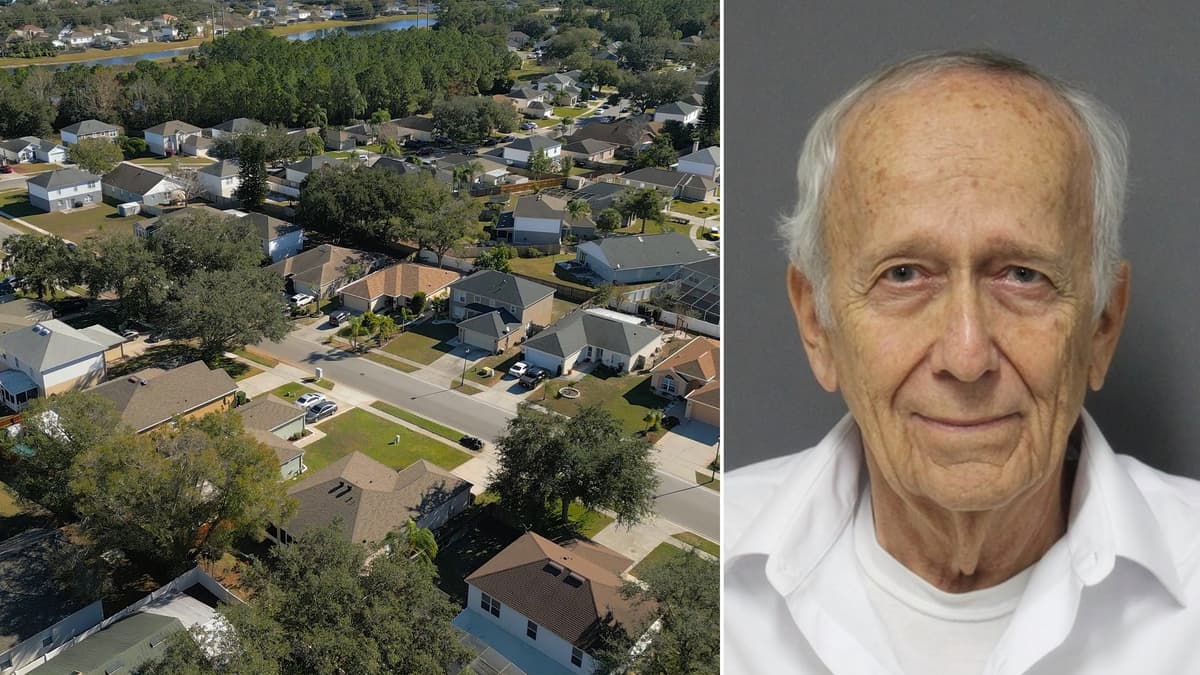
Florida Attorney Who Battled His HOA Is Jailed Over Refusing To Name Disgruntled Neighbors
Why It Matters
The case pits attorney‑client privilege against a court’s authority to enforce disclosure, potentially reshaping confidentiality standards in civil litigation. A ruling could affect how HOAs and other litigants pursue anonymous claims nationwide.
Key Takeaways
- •Attorney Bruce Burtoff jailed for civil contempt after refusing to reveal clients
- •HOA claims $300,000 in legal fees, seeks plaintiff identities for cost recovery
- •Florida Bar rules protect client confidentiality, clashing with court orders
- •Appeal could set precedent on privilege limits in HOA disputes
- •Anonymous plaintiffs failed to appear, prompting harsher sanctions
Pulse Analysis
The standoff between Bruce Burtoff and the North Shore at Lake Hart Homeowners Association highlights a rare clash between attorney‑client privilege and a court’s contempt powers. While Florida’s Bar rules strictly safeguard client information, courts retain the ability to compel disclosure when anonymity impedes the administration of justice. In this case, the HOA argues that without the plaintiffs' identities it cannot assess liability for the $300,000-plus in legal expenses incurred defending the suit, prompting a contempt sanction that includes daily fines and incarceration.
Legal scholars note that the outcome could reverberate beyond homeowners associations. If the appellate court upholds the contempt order, it may narrow the scope of confidentiality protections in civil cases, especially where plaintiffs seek anonymity to avoid retaliation. Conversely, a decision favoring Burtoff would reinforce the sanctity of privileged communications, compelling courts to seek alternative mechanisms—such as protective orders—to balance transparency with client safety. The tension underscores a broader debate about how the legal system adapts to privacy concerns in an era of increasingly litigious community governance.
For practitioners, the case serves as a cautionary tale about the risks of representing anonymous clients in high‑stakes disputes. Attorneys must weigh the ethical duty to protect client identities against the possibility of contempt sanctions if a court deems disclosure essential. The pending appeal will be closely watched by law firms, bar associations, and HOA boards alike, as it may set a precedent that shapes litigation strategy and ethical guidelines across Florida and potentially other jurisdictions.
Florida Attorney Who Battled His HOA Is Jailed Over Refusing To Name Disgruntled Neighbors
Comments
Want to join the conversation?
Loading comments...