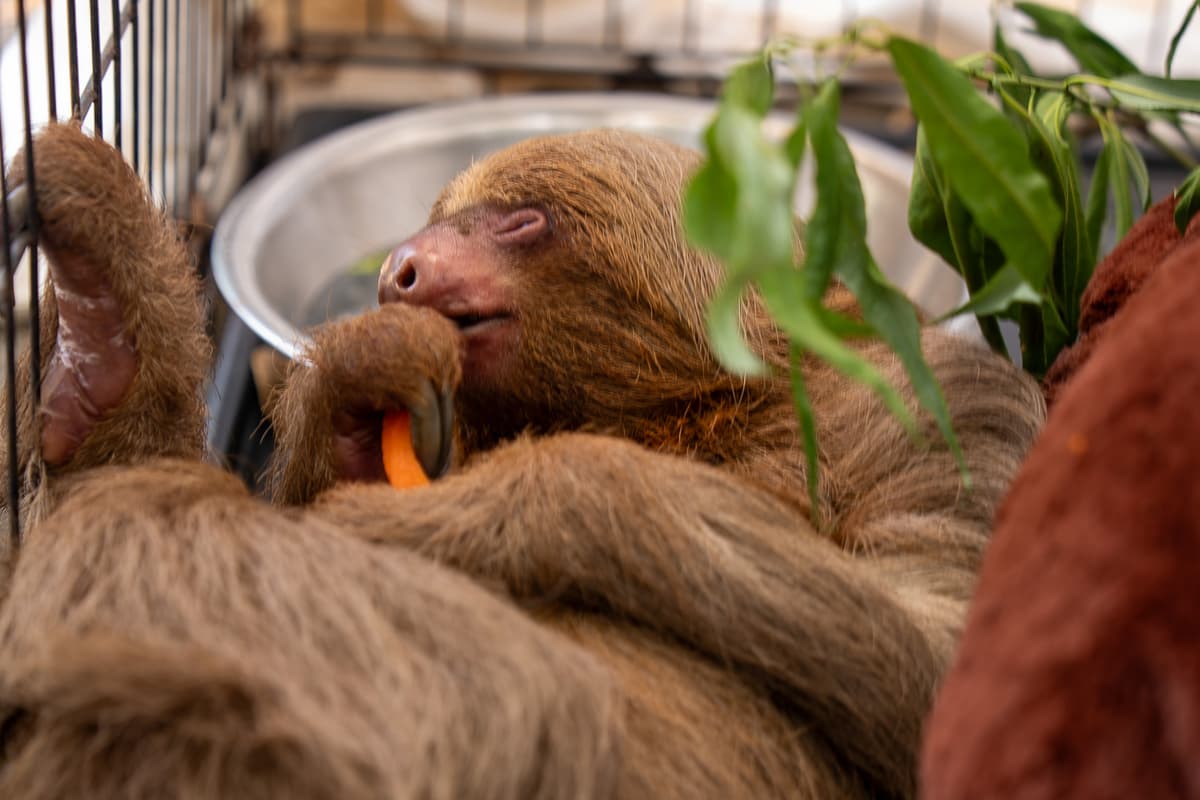
Florida Opens Criminal Probe Into Sloth World After Dozens of Animal Deaths
Why It Matters
The probe signals a potential shift toward criminal accountability for wildlife‑trade negligence, pressuring regulators to tighten permit and welfare standards. It also highlights systemic gaps that could affect the broader exotic‑animal tourism industry.
Key Takeaways
- •Over 31 sloths died at Sloth World during construction phase
- •Florida AG opened criminal probe, citing possible aggravated animal cruelty
- •FWC found no regulatory violations, highlighting oversight gaps
- •Central Florida Zoo now caring for surviving sloths amid ongoing investigation
- •Legislators propose stricter permit reporting and renewal pauses
Pulse Analysis
The Sloth World tragedy underscores the hidden risks of the commercial wildlife trade, where exotic animals are often sourced from distant rainforests and thrust into artificial environments. Captured sloths experience extreme physiological stress—elevated cortisol, immune suppression, and organ failure—when confined in unsuitable conditions such as an unheated warehouse. These biological realities, documented by necropsies, reveal that even short‑term mismanagement can lead to mass mortality, raising ethical questions for businesses that market close‑up wildlife encounters.
In Florida, the Attorney General’s decision to pursue a criminal investigation marks a rare escalation from civil oversight to potential felony charges. While the Florida Fish and Wildlife Conservation Commission concluded that Sloth World complied with existing permits, the agency’s inability to prevent the deaths highlights regulatory blind spots. Lawmakers like Rep. Anna Eskamani are now pushing for legislation that would require mandatory reporting of animal deaths and pause permit renewals pending thorough investigations, aiming to close the enforcement gap that allowed this crisis to unfold.
The fallout extends beyond a single attraction, prompting industry‑wide reassessment of captive‑wildlife practices. Investors, tourism operators, and zoos may face heightened scrutiny, and consumer confidence could shift toward entities that demonstrate transparent, science‑based animal care. As federal agencies and state officials coordinate responses, the case may set a precedent for criminal liability in wildlife‑related negligence, potentially reshaping how exotic‑animal enterprises are licensed, monitored, and held accountable across the United States.
Florida Opens Criminal Probe Into Sloth World After Dozens of Animal Deaths
Comments
Want to join the conversation?
Loading comments...