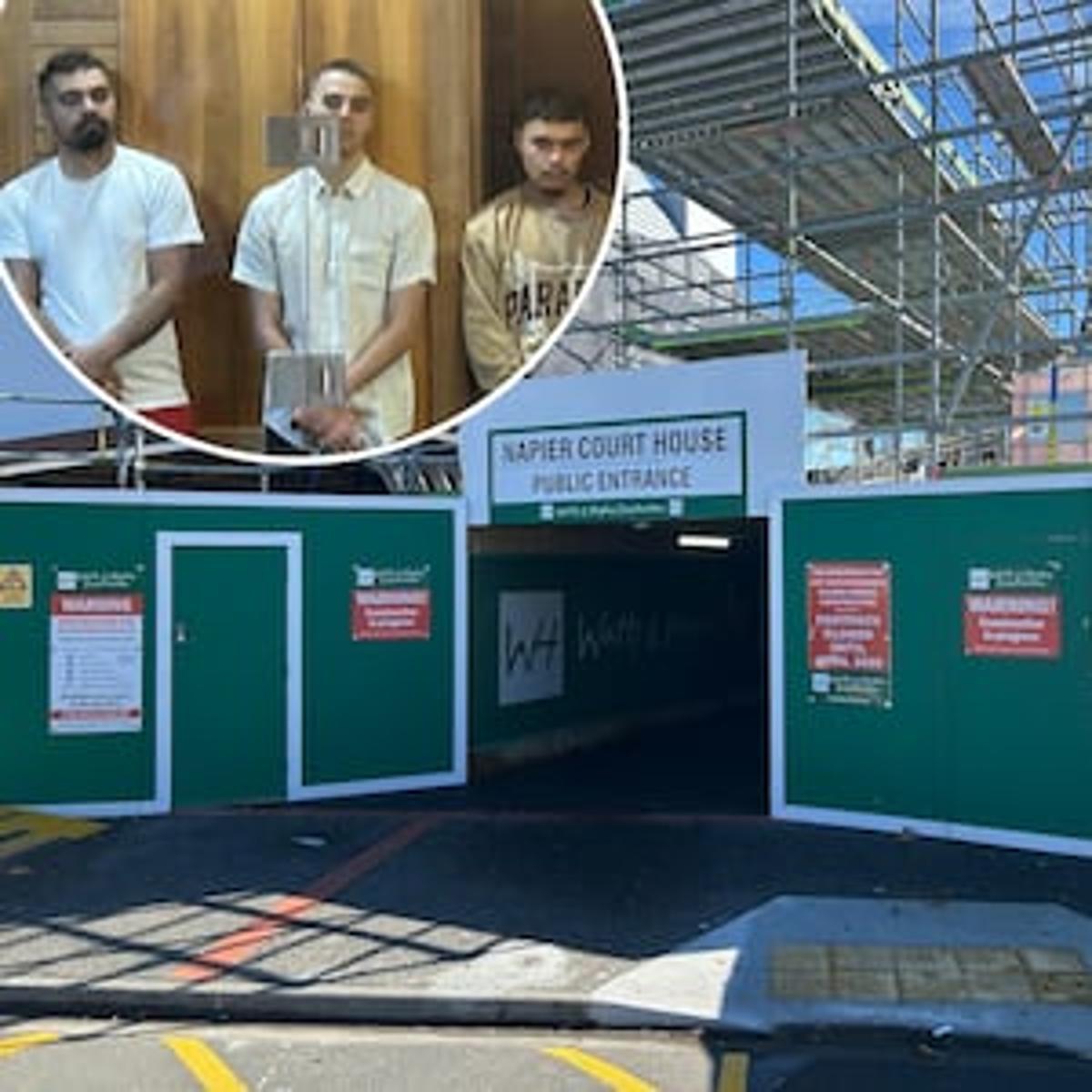
Four Admit Manslaughter of Homeless Man Boy Taylor in Napier, but Deny Murdering Him
Why It Matters
The case spotlights the legal difficulty of distinguishing manslaughter from murder in street‑level violence, especially when vulnerable homeless individuals are involved, and may influence future prosecutorial approaches to similar incidents.
Key Takeaways
- •Four men plead manslaughter, deny murder in Boy Taylor case
- •Attack lasted two minutes, caused multiple skull fractures
- •Police gathered over 40 hours of CCTV footage for evidence
- •Defendants assert no intent to kill, describing spontaneous assault
- •Case underscores legal complexities of prosecuting homeless victim violence
Pulse Analysis
New Zealand’s justice system is confronting a stark example of street violence that claimed the life of Boy Taylor, a 58‑year‑old man experiencing homelessness and mental‑health challenges. The incident, occurring a week before Christmas in Napier’s central business district, underscores how vulnerable populations are disproportionately exposed to random assaults. While public outrage focuses on the brutality of the two‑minute attack, the broader narrative raises questions about societal safety nets, policing priorities, and the visibility of homelessness in urban policy discussions.
The trial’s focal point is the legal distinction between manslaughter and murder under New Zealand law. Prosecutors must prove either a direct intent to kill or a reckless awareness that the assault was likely to cause death. Defense counsel argue the defendants acted without premeditation, citing a spontaneous escalation after Taylor allegedly threw a bottle. Over 40 hours of CCTV footage, presented to a nine‑man, three‑woman jury, provide a rare, granular view of the assault’s progression, challenging both sides to interpret intent from visual evidence.
Beyond the courtroom, the case may catalyze policy debates on how authorities address street‑level violence against homeless individuals. Lawmakers could consider stricter penalties for assaults that result in death, enhanced surveillance in high‑risk zones, or expanded outreach programs aimed at reducing homelessness‑related vulnerabilities. As the trial proceeds, its outcome will likely influence prosecutorial strategies and public expectations for accountability in crimes that target society’s most marginalized members.
Four admit manslaughter of homeless man Boy Taylor in Napier, but deny murdering him
Comments
Want to join the conversation?
Loading comments...