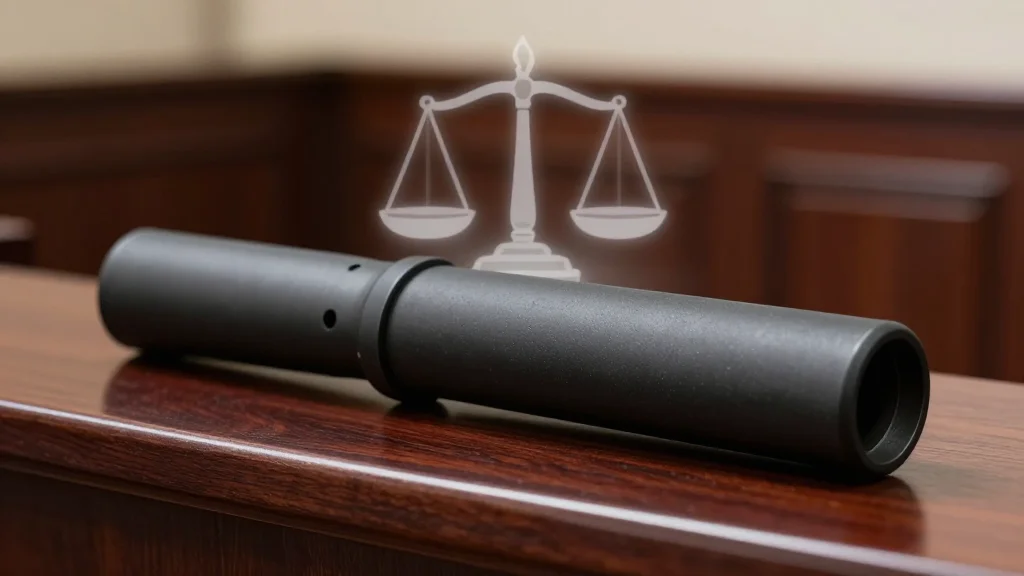
Fourth Circuit Upholds Insurrectionist’s Unregistered Silencer Conviction
Why It Matters
The decision reinforces federal authority to regulate firearm accessories as silencers, setting a precedent that could broaden NFA enforcement against similar devices. It also signals a judicial shift toward upholding registration and tax requirements despite evolving political positions on the Second Amendment.
Key Takeaways
- •Fourth Circuit upheld NFA conviction for unregistered silencers.
- •Solvent traps classified as silencers despite cleaning‑tool purpose.
- •Court rejected Second Amendment claim protecting suppressor accessories.
- •Ruling signals federal shift toward stricter regulation of gun accessories.
- •Concurring judges warned statute’s vagueness may threaten historic gun rights.
Pulse Analysis
The Fourth Circuit’s affirmation of Hatchet Speed’s unregistered silencer conviction marks a pivotal moment in firearms regulation. Speed, a Navy veteran and Proud Boys member convicted for his role in the Jan. 6 Capitol attack, was found guilty of possessing three solvent‑trap devices that the government proved could be readily converted into silencers. By treating these cleaning tools as silencers under the National Firearms Act, the court sidestepped Speed’s claim that the devices were only illegal after modification, reinforcing the statute’s broad reach.
Legal scholars note that the panel’s refusal to extend Second Amendment protections to suppressor accessories reflects a nuanced shift in federal jurisprudence. While the Biden administration previously argued that silencers are “dangerous and unusual” weapons, the Trump‑appointed judges cited the Supreme Court’s *Bruen* decision, emphasizing historical analogues and the presumption of constitutionality for registration requirements. The en banc precedent in *Maryland Shall Issue Inc. v. Moore* further bolstered the court’s stance, suggesting that objective registration criteria satisfy constitutional scrutiny, even as concurring judges warned of statutory vagueness that could erode historic gun‑rights traditions.
For the firearms industry and gun‑rights advocates, the ruling signals heightened risk for manufacturers and owners of accessory devices that could be re‑purposed as silencers. Companies may face increased scrutiny from the ATF, and future litigants are likely to encounter a higher evidentiary bar when challenging NFA provisions. As the political pendulum swings between administrations, courts appear poised to uphold registration and tax regimes, shaping a regulatory landscape where compliance becomes a critical component of lawful firearm ownership.
Fourth Circuit upholds insurrectionist’s unregistered silencer conviction
Comments
Want to join the conversation?
Loading comments...