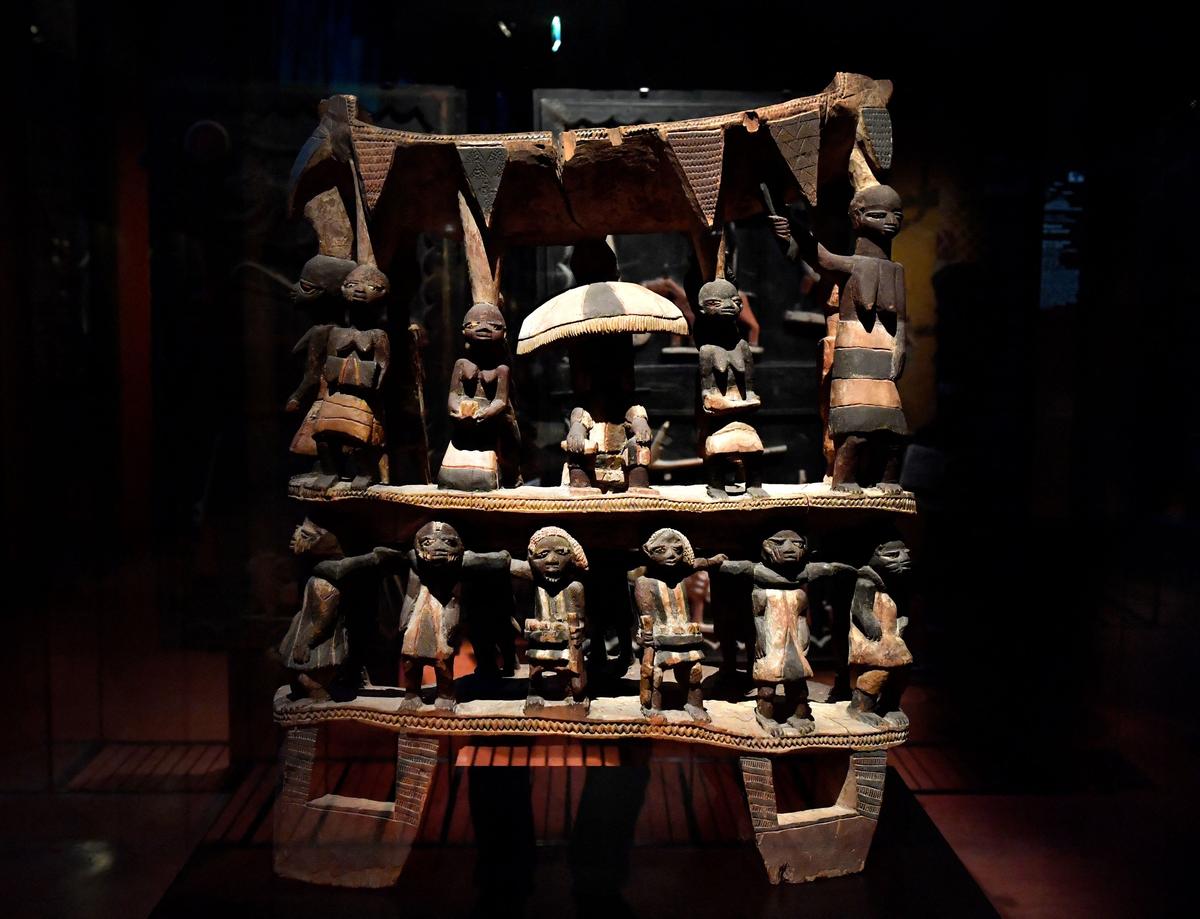
France Passes New Restitution Law Focused on Returning Looted Art Stolen During the Colonial Era
Why It Matters
The law creates a clear legal pathway for African nations to reclaim colonial heritage, potentially reshaping museum collections and diplomatic relations. It also signals a broader shift in how former colonial powers address historical injustices.
Key Takeaways
- •France simplifies restitution for artifacts looted 1815‑1972.
- •Requests must come from states and pass scientific and restitution commissions.
- •Djidji Ayokwe drum returned to Ivory Coast sets precedent.
- •Pending claims from Algeria, Benin, Ivory Coast, Madagascar, Mali, Senegal.
- •Law aligns with 2023 statutes on WWII looted items and remains.
Pulse Analysis
The push to return colonial‑era cultural property has accelerated in recent years, driven by growing public pressure and a reassessment of historical accountability. France, long home to tens of thousands of African artifacts, pledged in 2017 to facilitate restitution, but concrete mechanisms lagged. By codifying a streamlined process for objects taken between the Vienna Congress and the 1972 UNESCO convention, the new law translates diplomatic rhetoric into actionable policy, offering a template for other former colonial powers grappling with similar legacies.
Under the legislation, only sovereign states may submit claims, which first pass a scientific committee composed of experts and representatives from the requesting nation. A second restitution commission, including museum officials, parliamentarians, and cultural ministries, then evaluates each case. This dual‑layer review aims to balance scholarly rigor with political sensitivity, while excluding post‑1972 items from automatic handling to preserve existing judicial routes. Early applications—from Algeria’s personal effects of Abdel Kader to Benin’s Vodun statue—illustrate the breadth of pending requests and the law’s potential to reshape France’s national collections.
Beyond France, the bill signals a turning point for the global art market and museum sector. Institutions may need to audit provenance records more aggressively, and insurers and auction houses could face heightened scrutiny over items with colonial provenance. Moreover, the framework dovetails with recent European discussions on cultural‑heritage restitution, suggesting a coordinated international approach may emerge. As more nations invoke the law, the balance between preserving public access to art and righting historical wrongs will define the next decade of cultural diplomacy.
France Passes New Restitution Law Focused on Returning Looted Art Stolen During the Colonial Era
Comments
Want to join the conversation?
Loading comments...